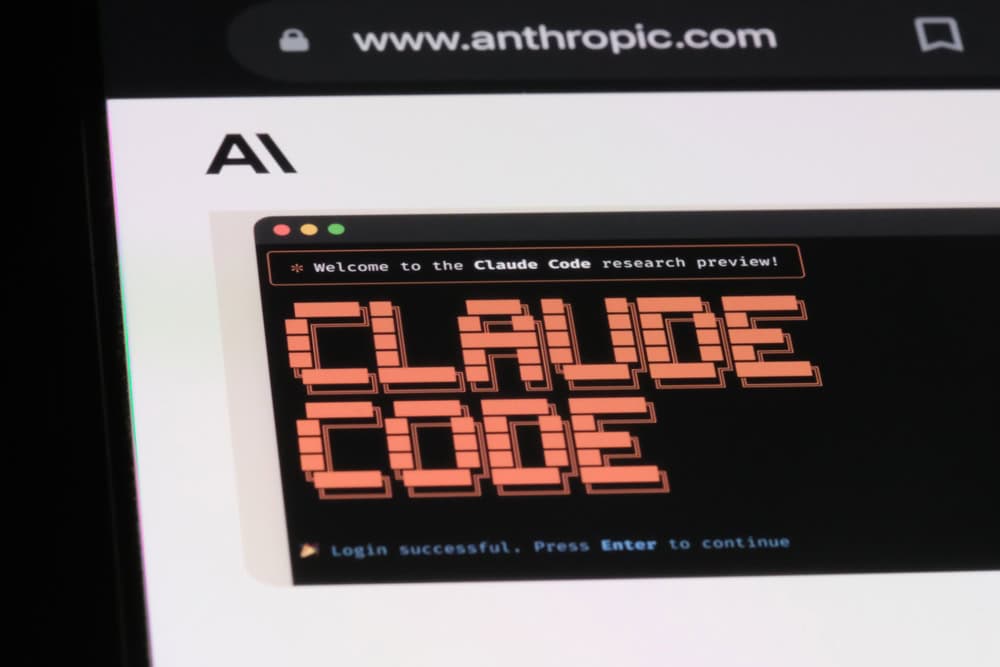

Anthropic’s rollout of “Dreaming” within its Claude Managed Agents platform marks a strategic inflection point for AI‑driven automation in the Middle East and North Africa (MENA). By enabling agents to consolidate, prune and re‑engineer their memory between sessions, the feature promises to overcome the chronic limitation of LLM context windows—a bottleneck that has hampered large‑scale, long‑term workflows such as regional tax‑optimization, sovereign fund reporting and cross‑border trade compliance. For MENA sovereign wealth funds and state‑owned enterprises, the ability to retain actionable insights across months of interaction without manual summarisation could translate into measurable efficiency gains and lower operational risk, reinforcing the digital transformation agendas championed by ministries of finance across Saudi Arabia, the UAE and Qatar.
From a capital allocation perspective, Dreaming is likely to attract a new wave of venture funding into AI infrastructure that caters specifically to high‑throughput, multi‑agent orchestration. Regional VC firms, notably those backing enterprise AI platforms in Dubai’s DIFC and Tel Aviv’s tech corridor, are expected to double‑down on startups that can integrate Anthropic’s memory‑refinement engines into sector‑specific solutions—ranging from oil‑field logistics to fintech compliance. The feature’s developer‑controlled cadence for memory updates also creates a monetisable API layer, opening recurring revenue streams that align with the SaaS‑as‑a‑service models favored by sovereign‑linked incubators.
Infrastructure implications are equally profound. Dreaming’s reliance on persistent, high‑capacity storage and low‑latency compute will accelerate demand for edge‑oriented data centres across the Gulf, where latency‑sensitive financial institutions require on‑prem AI processing to meet regulatory data‑residency rules. Governments are already signalling support through accelerated licensing for AI‑focused data‑hubs, and the anticipated surge in memory‑intensive workloads could drive a reallocation of sovereign capital toward next‑generation fiber networks and quantum‑ready computing clusters, bolstering the region’s ambition to become a global AI hub.
Finally, the integration of Dreaming with Anthropic’s multi‑agent orchestration framework reinforces a shift toward autonomous, collaborative AI ecosystems. For MENA enterprises, this means the prospect of delegating end‑to‑end processes—such as maritime logistics orchestration for the Red Sea corridor or real‑time risk modelling for regional banks—to a hierarchy of specialized agents that self‑optimise over time. The resultant productivity uplift, coupled with reduced reliance on costly human oversight, is poised to reshape cost structures and competitive dynamics across the region’s most strategic industries.