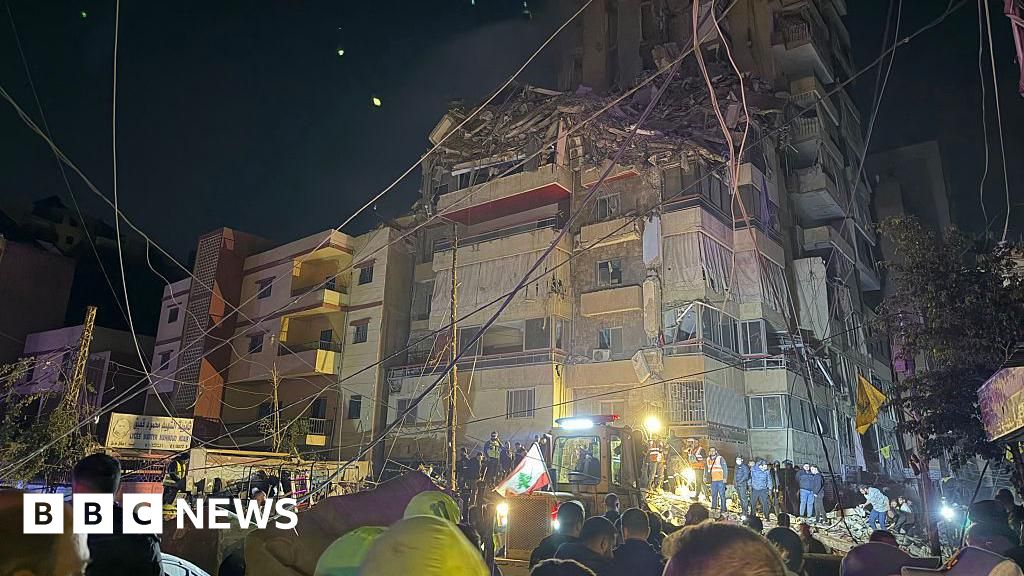

The recent incident in Israel underscores escalating regional tensions and the high-stakes strategic calculations shaping the Middle East. As Israeli authorities confirmed a targeted operation against a senior Hezbollah figure within the capital, this marks the earliest such engagement in the area since mid-April. Such developments reaffirm the persistent volatility in the Levant and signal a critical juncture for both local militaries and international observers. From a financial perspective, this confrontation reverberates through sovereign capital markets, with investor sentiment likely fluctuating in response to the escalating risk profile in the region.
The broader business impact cannot be overstated, as this event strengthens Israel’s position in the complex calculus of regional power dynamics. For sovereign capital markets, the constant recalibration of security investments in Israel signals a heightened cost environment for defense spending. Venture capital ecosystems, particularly in the technology and cybersecurity sectors, may observe a defensive posture in resource allocation, prioritizing stability over aggressive expansion. Furthermore, the ongoing instability elevates the cost of capital for projects reliant on cross-border financing and regional partnerships.
Infrastructure developments across the Middle East and North Africa are being recalibrated in light of these shifts. Regional infrastructure projects, including energy and digital initiatives, face renewed scrutiny as investors seek to hedge against the regional uncertainty. The convergence of security risks and economic uncertainties demands a coordinated approach from governments, financial institutions, and private sector actors. For the broader MENA region, this serves as a cautionary narrative—highlighting the necessity of resilient business strategies and robust regional collaboration in an era of persistent geopolitical flux.