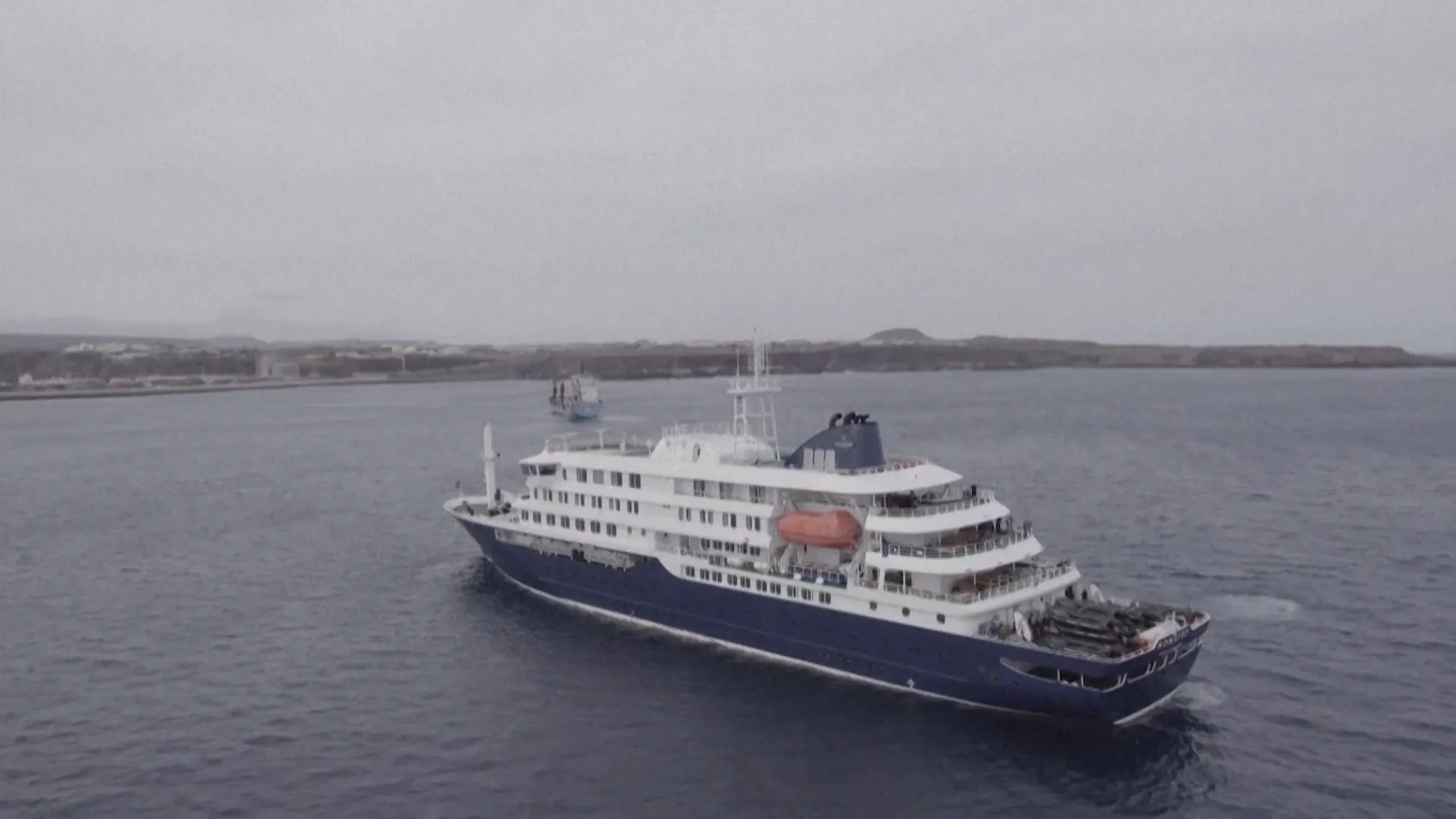

The recent Hantavirus outbreak aboard the MV Hondius, which claimed three lives while sailing from Argentina to West Africa, has exposed a critical gap in the region’s pandemic‑response infrastructure and underscored the financial exposure of sovereign wealth funds (SWFs) with interests in global cruise and tourism assets. Saudi Arabia’s Public Investment Fund (PIF) and the Abu Dhabi Investment Authority (ADIA), both of which hold minority stakes in several cruise‑line operators, are now assessing reserve allocations for health‑related contingencies. Early estimates suggest that insurance claims and operational disruptions could erode up to $150 million in projected earnings for the 2025‑2027 fiscal period, a hit that will likely reverberate across the broader MENA hospitality and travel value chain.
Venture capital flows into health‑tech and disease‑surveillance startups across the Gulf are expected to accelerate as governments tighten bio‑security protocols for outbound tourism. Funds such as Qatar’s QIA‑Backed HealthTech Fund and Bahrain’s Shorooq Ventures have already earmarked an additional $200 million for platforms that leverage AI‑driven pathogen detection and real‑time passenger monitoring. This capital infusion is poised to create a nascent ecosystem of “travel‑safe” solutions, positioning the region as a future hub for exportable health‑security technologies to the global cruise industry.
From an infrastructure standpoint, the incident is prompting a reassessment of port‑level quarantine capacity and medical facilities at key MENA gateways, including Jeddah, Dubai, and Salalah. Sovereign authorities are allocating budgetary overrides to upgrade air‑conditioning filtration systems, expand isolation wards, and integrate interoperable data‑sharing platforms with the World Health Organization. These investments, estimated at $1.2 billion collectively, will not only mitigate the risk of future outbreaks but also enhance the competitive positioning of regional ports in the increasingly health‑conscious cruise itineraries that dominate the Indian Ocean corridor.
In the longer term, the financial fallout from the Hondius episode is likely to catalyze a shift in how sovereign investors assess exposure to pandemic‑sensitive sectors. Enhanced due‑diligence frameworks, stress‑testing of cruise‑line portfolios against epidemiological shocks, and the incorporation of climate‑linked health risks into ESG scoring are expected to become standard practice for MENA sovereign and private capital alike. The ripple effects will reshape capital allocation across the tourism value chain, driving a more resilient, technology‑enabled ecosystem that aligns with the region’s broader diversification agenda.