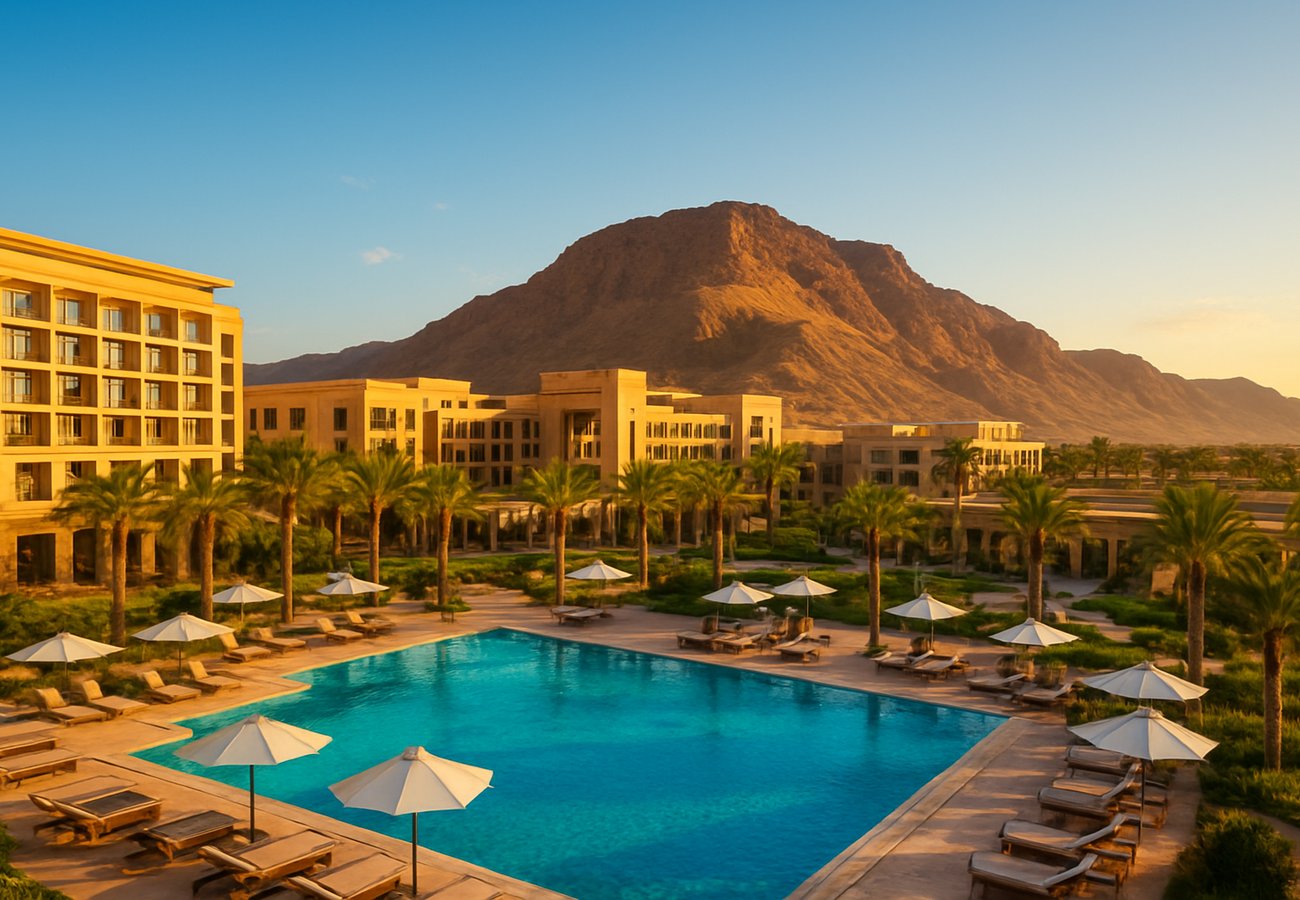

Saudi Arabia’s tourism arm, under Vision 2030, has entered a phase of disciplined capital deployment, reshaping the region’s socio‑economic landscape. With the Ministry of Tourism reporting over 100 million visitor arrivals in 2025 and a robust pipeline of roughly 100,000 hotel rooms—spanning the heritage‑rich AlUla, the luxury‑oriented Red Sea corridor, and the corporate‑centric capital Riyadh—state‑backed prudence is now paired with market‑driven returns. Chief among the sovereign‑led adjustments is the Public Investment Fund’s (PIF) recalibration of project prioritisation, favouring commercially viable ventures with clear revenue horizons whilst phasing out high‑profile but low‑yield initiatives such as the cancelled LIV Golf bid.
On the capital front, the Kingdom is drawing a diversified stream of foreign direct investment from Southeast Asia, with Singapore, Malaysia, and Indonesia injecting significant equity into Red Sea resorts and religious‑tourism infrastructure. This shift underscores a broader regional integration narrative: Muslim‑majority investors are leveraging both cultural affinity and the Kingdom’s strategic geographic position to secure long‑term footholds in an increasingly competitive global hospitality market. Substantial commitments from global hotel operators—Hilton, Marriott, Kempinski, and Wyndham—continue to anchor the sector, their multi‑decade investment cycles buffering the business against episodic geopolitical volatility.
Sovereign and venture‑capital dynamics are also influencing the broader infrastructure matrix. The Red Sea and AlUla projects are catalysing secondary development—ports, high‑speed rail, and digital services—thereby creating a virtuous cycle that expands the Kingdom’s logistical capabilities and enhances investor confidence. Meanwhile, the enduring pull of pilgrimage to Makkah and Madinah guarantees a baseline occupancy that stabilises cash flows, allowing the PIF to reallocate capital towards higher‑yield leisure and hospitality assets without compromising fiscal prudence.
Nevertheless, residual risks persist. Escalating aviation costs, heightened insurance premiums, and supply‑chain interruptions stemming from regional tensions—most notably the Iran‑Shia conflict—continue to compress profit margins. Yet the integrated approach combining sovereign support, disciplined venture‑capital deployment, and strategic infrastructure investment positions Saudi Arabia not merely as a temporary pilgrimage hub but as a resilient, diversified tourism powerhouse with far‑reaching implications for the MENA region’s economic diversification agenda.