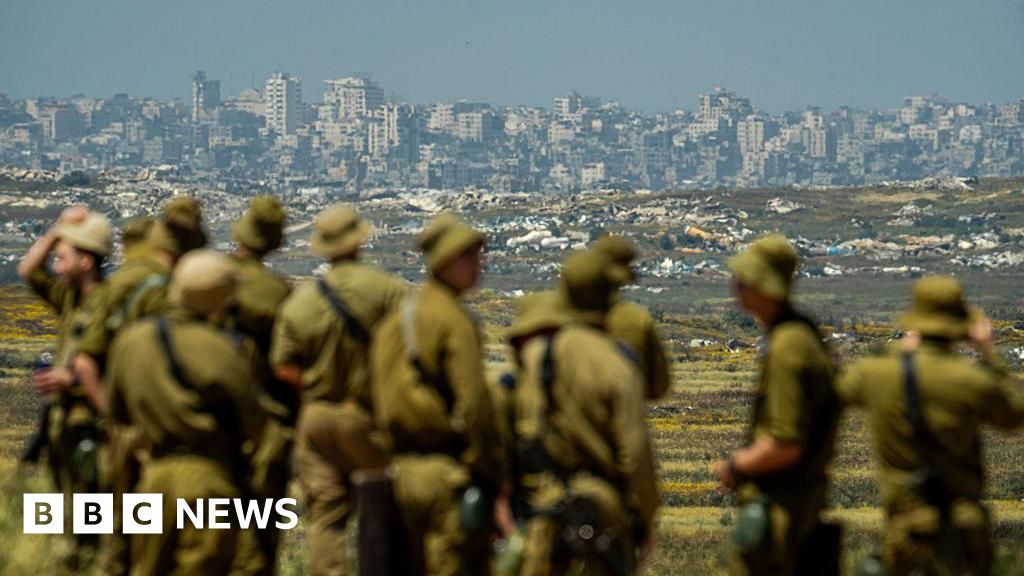

The potential resumption of hostilities between Israel and Hamas represents a severe disruption to the region’s economic and technological equilibrium. Such a scenario would likely exacerbate existing vulnerabilities in business ecosystems across the Middle East and North Africa (MENA), particularly in sectors reliant on stable geopolitical conditions. Sovereign capital, already strained by regional conflicts and macroeconomic pressures, could face further erosion as investor confidence wanes. The uncertain posture of key Gulf states—some of whom have strategically aligned with both Israel and Hamas in broader regional diplomacy—may trigger a flight of sovereign wealth fund assets to safer havens, diverting capital from critical infrastructure and innovation-driven projects. Venture capital ecosystems in the MENA, which have seen resilient growth in fintech, telecommunications, and SaaS solutions, could stagnate or contract as risk profiles shift. Startups dependent on cross-border collaboration or operating in contested areas may struggle to secure funding, while established firms face operational headwinds from heightened security costs and supply chain fragmentation.
The implications for venture capital are particularly salient given the region’s strategic pivot toward attracting global tech investment. A renewed Israel-Hamas conflict could derail ongoing initiatives to position MENA as a hub for innovation, diverting attention and capital toward security and reconstruction. Regional governments may prioritize defense expenditures over digital transformation programs, stalling advancements in areas such as AI, renewable energy, or smart city development. Additionally, the volatility could prompt VC firms to redeploy assets to emerging markets with perceived lower geopolitical risk, further undermining the region’s capacity to scale tech-driven enterprises. Sovereign entities, including the Central Banks of Kuwait and Saudi Arabia, which have historically supported private-sector innovation through targeted funds, might reassess their portfolios, favoring near-term stability over long-term bets in a destabilized environment.
Regional infrastructure—both physical and digital—faces existential risks from renewed conflict. Critical infrastructure in Gaza, already strained by previous hostilities, could face large-scale destruction, necessitating costly rebuilding efforts that would divert public funds from private and public-sector investments. Meanwhile, the broader MENA region may experience heightened cybersecurity threats as clashes disrupt communication networks and data centers. The conflict could also strain regional logistics corridors, impacting cross-border tech hubs in cities like Dubai, Casablanca, or Rabat, which rely on seamless supply chains and connectivity. Long-term, the inability to secure stable governance and infrastructure resilience could deter foreign direct investment in technology and infrastructure projects, delaying the region’s transition to a knowledge-based economy and reinforcing dependency on fossil fuel-linked capital flows.