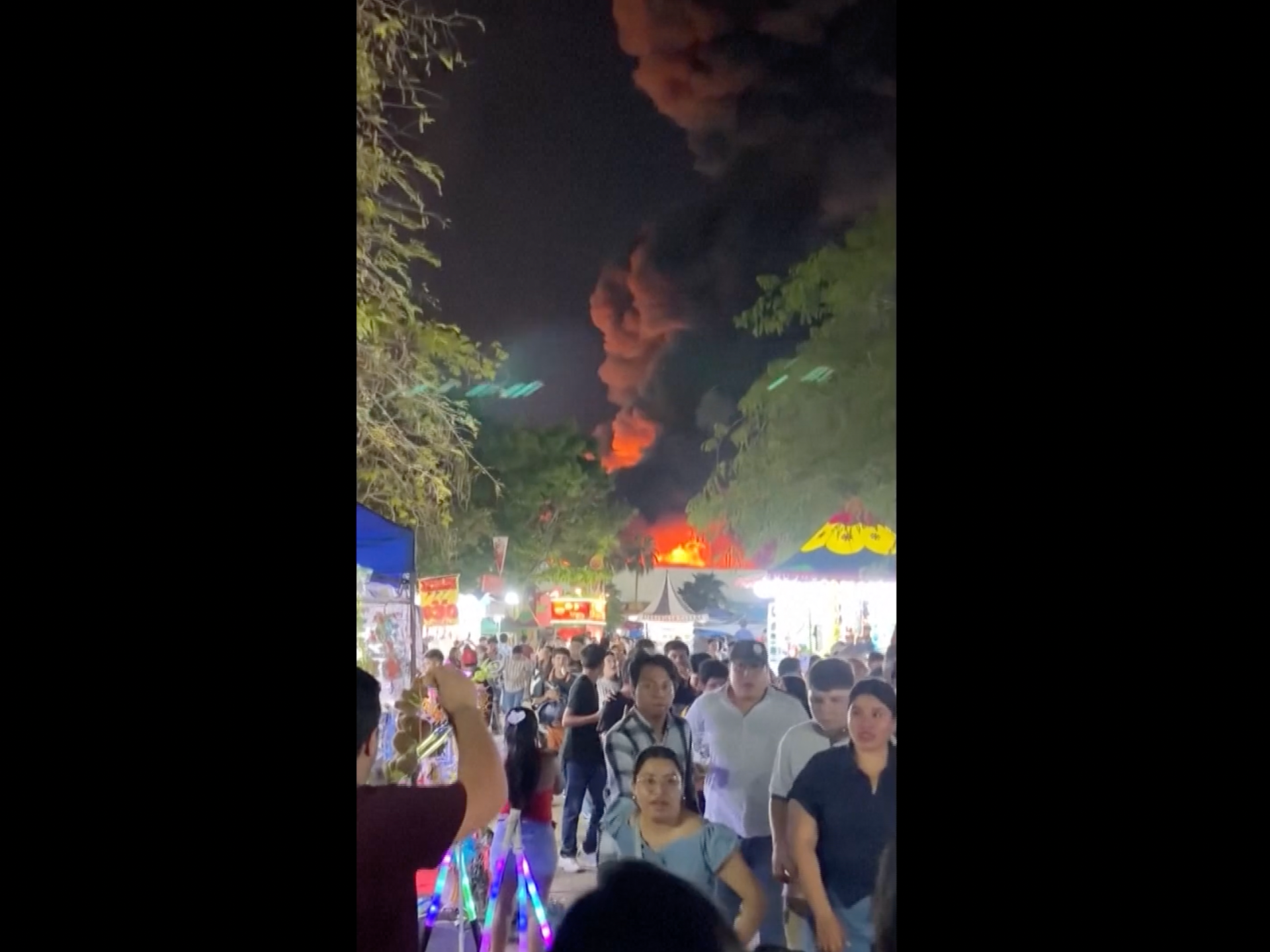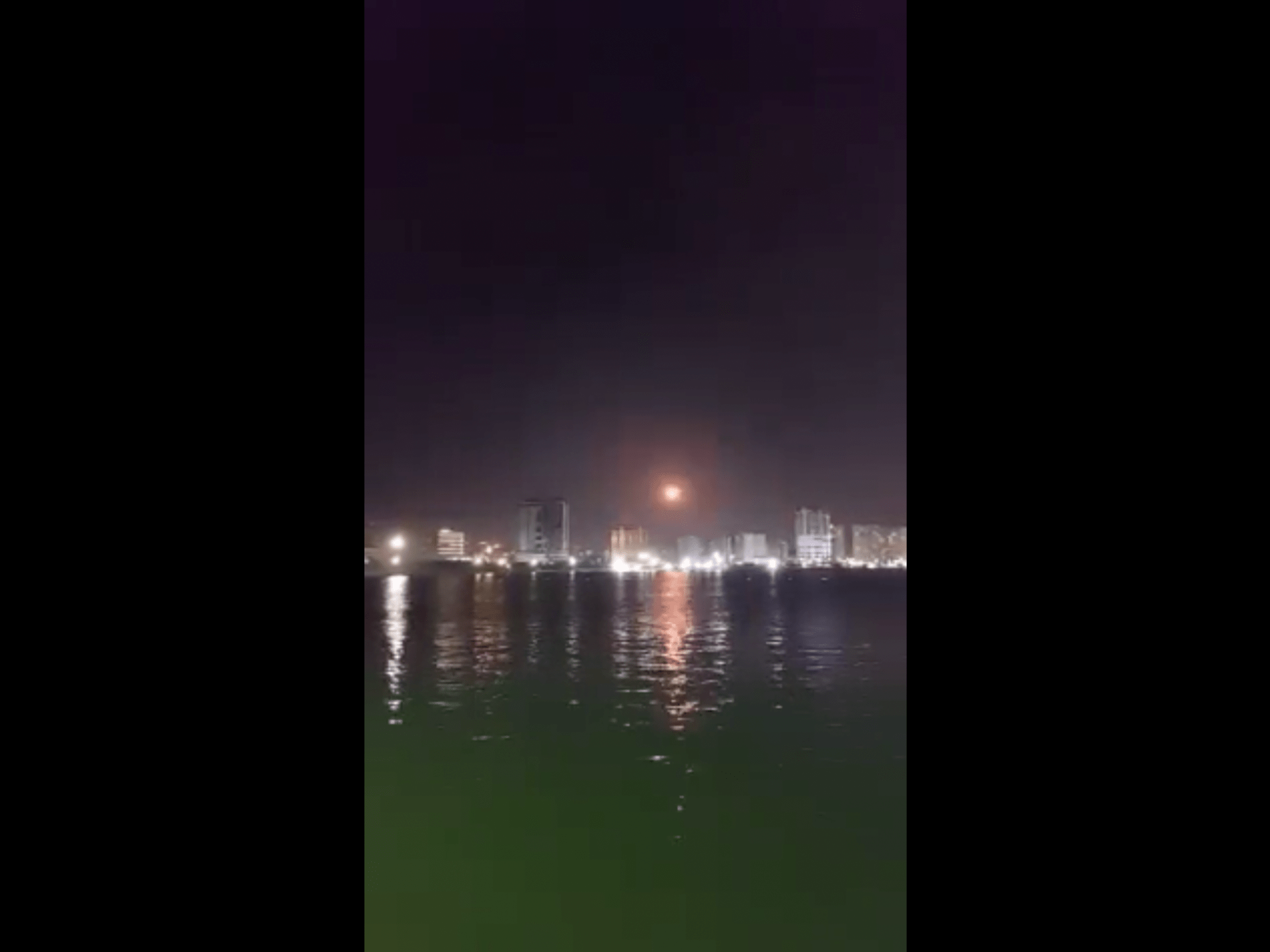

Tehran’s reported activation of air defense systems amid alleged missile strikes underscores the escalating geopolitical fragility in the Middle East and North Africa (MENA), a crisis with far-reaching implications for regional financial and technological stability. For sovereign capital, the episode signals a potential redirection of state budgets toward defense expenditure, compounding existing fiscal strains exacerbated by sanctions on Iran’s oil sector and global energy price volatility. Institutions like Gulf sovereign wealth funds, already navigating elevated debt servicing costs and climate-related transition costs, may face pressure to intervene if spillover risks from regional conflict disrupt cross-border capital flows or amplify sanctions. Meanwhile, OPEC+ nations, leveraging record oil prices to bolster sovereign reserves, could reassess allocation strategies toward diversified investments, including de-risked infrastructure projects in conflict-adjacent economies such as Yemen or Sudan.
The event intensifies scrutiny on venture capital (VC) liquidity dynamics in the MENA region, where defense technology and cybersecurity startups have emerged as high-growth sectors amid broader financial depressions. Increased regional geopolitical volatility may catalyze strategic VC investments in Israeli defense tech, Gulf-based ISR (intelligence, surveillance, reconnaissance) ventures, or Qatar’s drone innovation hubs, diverting capital from previously buoyed fintech or e-commerce funders. Institutions like the Saudi Public Investment Fund (PIF), with a $50 billion Q1 2026 tech investment push, may accelerate domain-specific allocations to firms enmeshed in defense ecosystems, influencing regional risk appetites. Additionally, diaspora capital from technologists in Europe and the U.S.—a key VC funding source—could face attrition if sanctions-linked counterparties emerge as intermediaries for Iranian asset transfers, complicating compliance frameworks for global fintechs.
Regional infrastructure resilience hangs in the balance, as conflicts disrupt logistics networks and amplify dependencies on dual-use technologies. The Persian Gulf’s oil-choked waterways, already necessitating heightened maritime surveillance budgets, may accelerate investments in AI-driven port automation or satellite-based supply chain tracking to mitigate blockade risks. Landlocked economies like Iraq and Syria stand to lose access to Iranian transit corridors, forcing recalibration of trade finance strategies, such as rerouting through Red Sea hubs—a move already exacerbating congestion in UAE and Jordanian logistics networks. Patriot systems and quantum radar investments in Saudi Arabia’s National Security Sector Program are likely to intensify, aligning with global OEM contracts for military-grade telecommunications infrastructure, further intertwining sovereign and industrial capital priorities. As MENA states navigate this tipping point, the region’s economic trajectory will hinge on its ability to convert geopolitical vulnerability into economic opportunity through targeted sovereign-backed VC ecosystems and infrastructure modernization.