
The Philippines’ accession to the US-led Pax Silica alliance has catalyzed a strategic pivot in Southeast Asian technology infrastructure, opening high-barrier corridors for Gulf-based sovereign and private capital. Manila is aggressively positioning itself as a critical node in the global semiconductor and artificial intelligence supply chain, specifically through the development of a 4,000-acre AI-native industrial hub in Luzon. This initiative seeks to leverage the Pax Silica framework to bridge the gap between advanced manufacturing requirements and the massive energy and computational demands of next-generation AI processing.
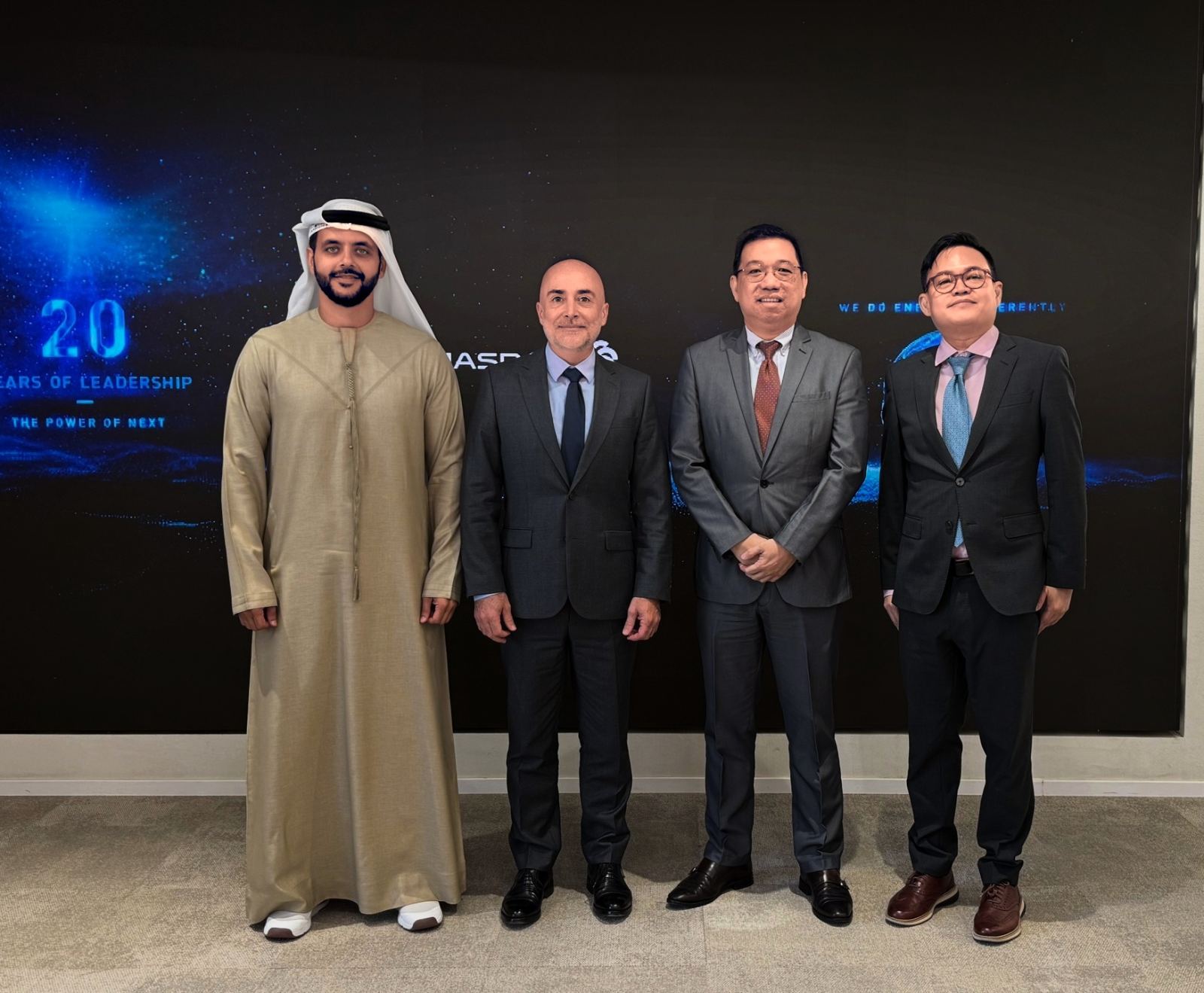
Central to this expansion is the deployment of UAE-based institutional capital and technical expertise into the Philippine energy and digital ecosystems. Masdar, a cornerstone of Abu Dhabi’s renewable energy strategy, is currently negotiating to scale its existing commitments, which target up to 10 gigawatts of renewable capacity in the Philippines by 2035. This energy-heavy deployment is essential to de-risking the Luzon AI hub, ensuring that the high-density power requirements for AI-native manufacturing are met through sustainable, scalable grids—modeled after large-scale deployments like the Stargate UAE project.
Parallel to the energy transition, the mobilization of UAE digital infrastructure players, notably DAMAC Digital, underscores a shift toward deeper technological integration. The progress of DAMAC’s planned 250-megawatt data center facility indicates a growing appetite among Middle Eastern firms to export specialized digital real estate and computational capacity to emerging high-tech corridors. This movement transforms the Philippines-UAE relationship from a traditional commodity-based trade model into a sophisticated strategic partnership focused on the high-margin verticals of data sovereignty and AI-driven industrialization.
From a macroeconomic perspective, the synergy between the Philippines’ CEPA (Comprehensive Economic Partnership Agreement) and the Pax Silica alliance creates a robust framework for multi-lateral capital flows. For MENA-based institutional investors and venture capital entities, this represents a structural opportunity to diversify holdings into the critical minerals and high-tech manufacturing sectors. By aligning UAE’s sovereign capacity in renewables and data infrastructure with the Philippines’ strategic geographic and political positioning, the corridor is effectively establishing a new blueprint for cross-regional technological hegemony.