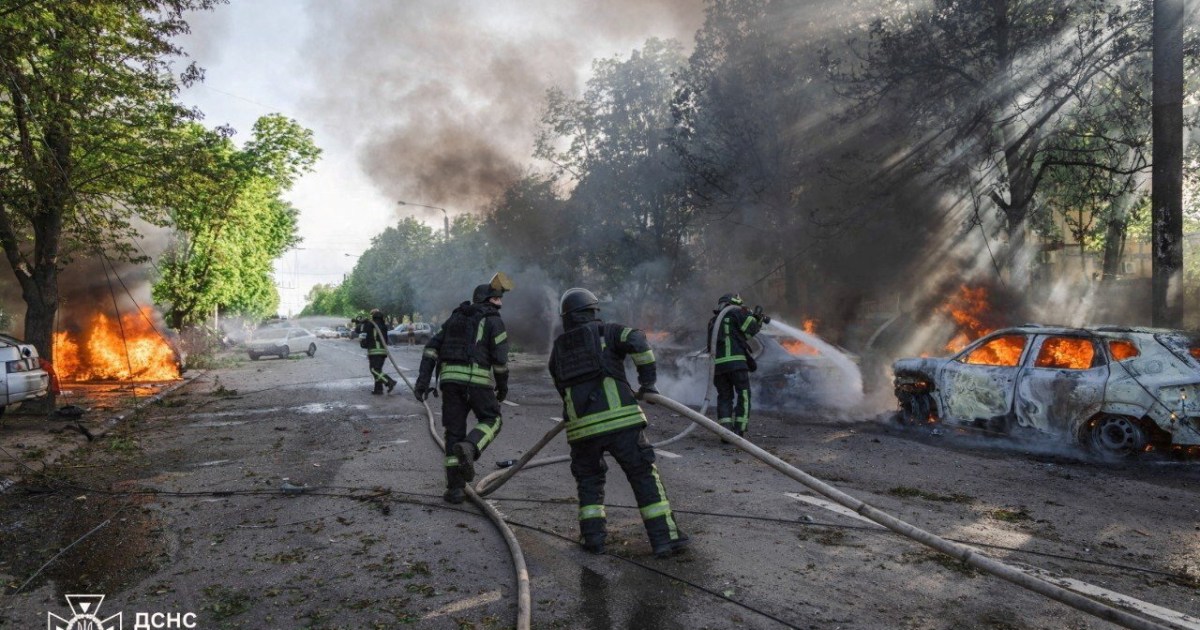

The latest escalation in the regional geopolitical landscape underscores the persistent volatility affecting the Middle East and North Africa. In a recent development, Iran has formally implicated the United States, accusing it of violating a long-standing ceasefire through targeted actions, including the deliberate strike of an oil tanker and the execution of attacks across southern and coastal zones. This act reaffirms the strategic use of military force by Iran as a calculated measure to undermine economic stability and assert its regional influence. The implications extend beyond the immediate theater of conflict, signaling a broader recalibration of energy security investments and geopolitical alignments across the Bourbon Arc.
This incident reverberates through the sovereign capital markets, particularly as sovereign wealth funds and sovereign-capital-backed investors reassess exposure to the Gulf region. The ripple effects are palpable, with capital flowing more cautiously into markets that may once again face heightened security risks. Investors are acutely aware that the stability of key infrastructure and energy pipelines—critical arteries of the economic model for many MENA states—remains highly sensitive to such acts of retaliation. The debt markets, particularly those in the Gulf Cooperation Council countries, face mounting pressure as political tensions weigh heavily on perceived risk premiums.
From an infrastructural perspective, the reverberations extend to the development of regional integrated projects, including the ambitious ambitions behind the Saudi-GCC Vision 2030 and Egypt’s expanding logistics corridors. The potential for further disruptions during the forced suspension of maritime traffic and the straining of supply chains could significantly impede economic growth and attractiveness to foreign direct investment. In this high-stakes environment, institutional resilience and strategic foresight will be paramount for market participants seeking to navigate the turbulent waters of this critical region.