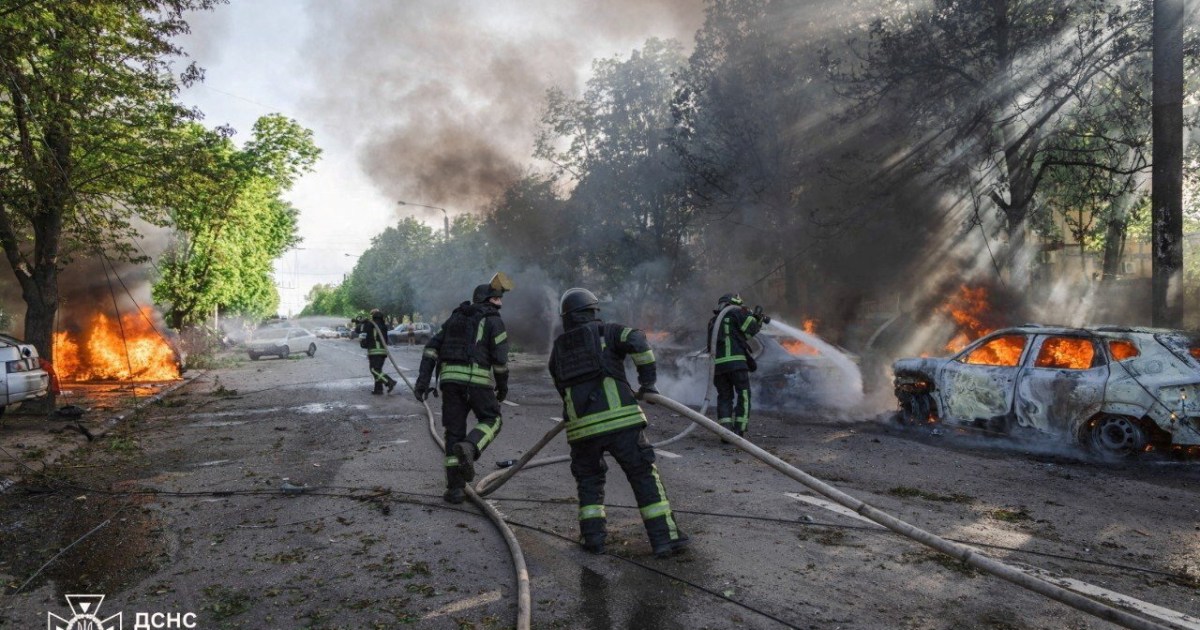

The collapse of the short-term ceasefire between Russia and Ukraine, characterized by escalating drone warfare and targeted strikes on critical energy and aviation infrastructure, continues to inject systemic volatility into the MENA region’s macroeconomic outlook. For Gulf sovereign wealth funds (SWFs) and institutional investors, the persistence of this conflict reinforces a strategic pivot toward defensive asset allocation. The instability in Eastern European energy corridors maintains an artificial premium on Middle Eastern hydrocarbons, yet it simultaneously complicates the long-term hedging strategies of regional capitals attempting to diversify away from volatility-prone commodity markets.
From a venture capital and technology perspective, the intensification of unmanned aerial vehicle (UAV) deployment and the disruption of air navigation systems—evidenced by the shutdown of 13 Russian airports—are accelerating the regional appetite for “dual-use” defense technologies. We are observing a marked shift in MENA-based VC activity toward autonomous systems, cybersecurity, and AI-driven surveillance. This trend is no longer merely about procurement, but about the localization of military-industrial intellectual property, as GCC states seek to build domestic sovereign capabilities to mitigate reliance on foreign supply chains during global geopolitical shocks.
Furthermore, the targeting of oil facilities and the systemic threat to transport hubs signal a prolonged era of infrastructure vulnerability. For the MENA region, which serves as the primary global pivot for energy logistics, this underscores the critical necessity of hardening regional digital and physical infrastructure. The inability of the warring parties to maintain a nominal truce suggests that the “security premium” for investing in the region will remain elevated, forcing a recalibration of risk-adjusted returns for foreign direct investment (FDI) flowing into the Middle East’s burgeoning tech hubs and logistics corridors.