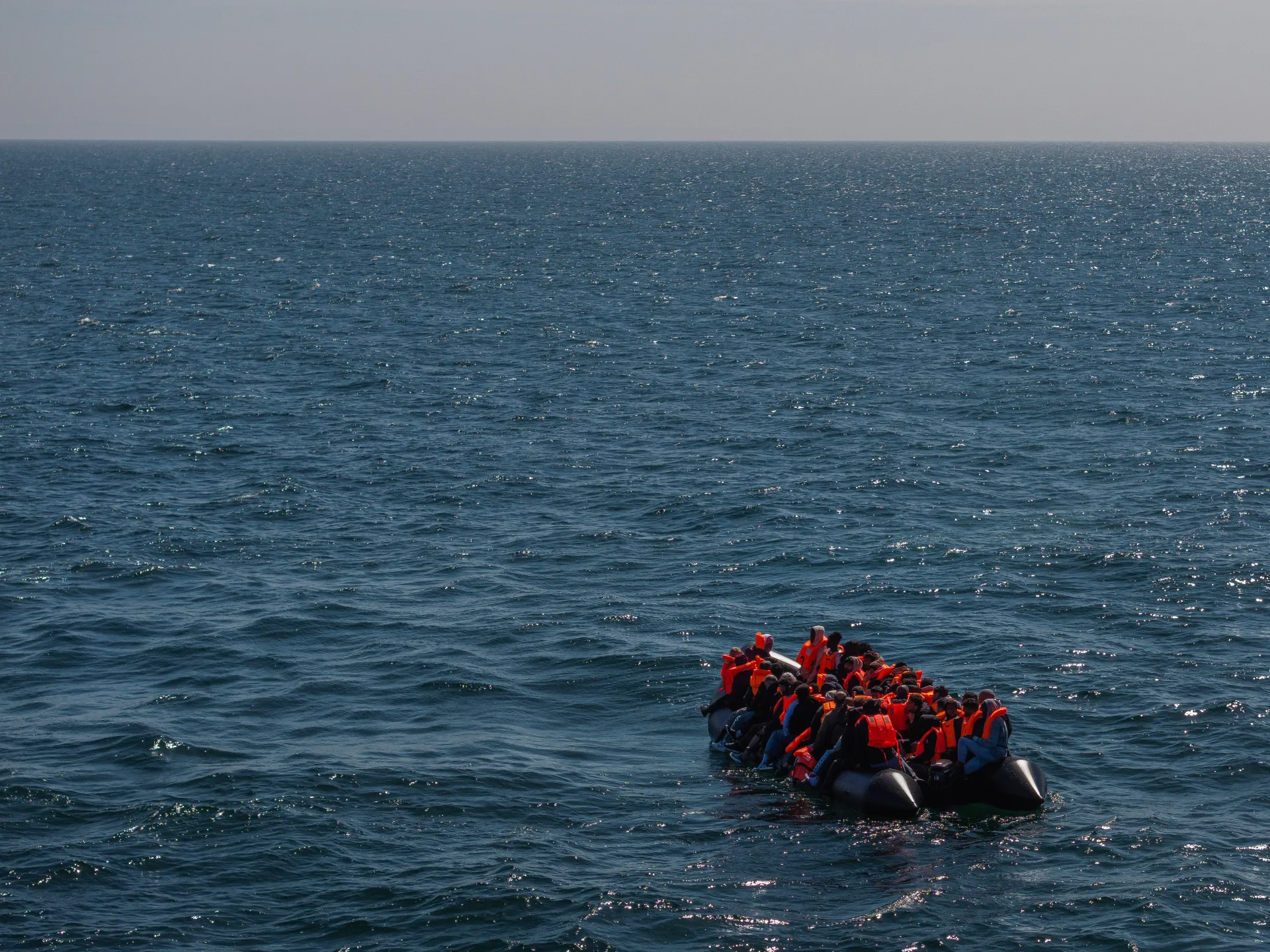

In the summer of 2025 the International Migration Review Forum in New York affirmed that the Global Compact for Safe, Orderly and Regular Migration, adopted three years ago, is delivering tangible improvements for migrants, but it is simultaneously reshaping the economic landscape of the MENA region. The migration data reveal that while arrival figures on Europe’s shores have plateaued or fallen, the per‑capita risk along key corridors has surged, prompting governments to allocate sovereign resources to maritime and land‑border surveillance infrastructure. For Gulf and North African states, this translates into new opportunities for public‑private investment in high‑capacity vessel tracking systems, satellite‑enabled data analytics, and cross‑border logistics hubs that serve both humanitarian and commercial objectives.
The renewed emphasis on safer, regular pathways has opened a niche for regional private‑sector actors, particularly those specializing in temporary workforce agreements and family‑reunification leases. Ministries of Interior and the ministries of Economy in Egypt, Libya, and Morocco are actively courting venture capital to develop joint‑ownership models for worker‑placement platforms. These initiatives not only reduce the financial burden of irregular migration on host economies but also create stable streams of remittance‑linked revenue, strengthening sovereign capital in a region where internal displacement now exceeds 8 million people.
Sudan’s post‑conflict displacement crisis, which now ranks as the world’s largest, has catalysed a re‑calibration of the region’s infrastructure priorities. To manage the influx of roughly 400,000 asylum seekers per month arriving via the Eastern Mediterranean, Saudi and UAE‑sponsored “humanitarian corridor” projects are being funded through a mix of sovereign bonds and diaspora‑backed green‑finance vehicles. These projects build resilient transit facilities, data‑collection centers, and sector‑specific training hubs—positioning MENA states as de facto regional logistics hubs that can command premium freight and labor contracts in a shifting global supply chain.
Finally, the cross‑border character of contemporary migration underlines the necessity of integrated data ecosystems. Multilateral agreements under the Compact now mandate the adoption of interoperable digital platforms, enabling real‑time sharing of mortality statistics, movement patterns, and economic impact analyses. The resulting data streams are feeding venture capitalists seeking to de‑risk investments in MENA startup ecosystems focused on border‑security analytics, digital notarisation, and low‑cost renewable energy solutions tailored for high‑mobility communities. In sum, the Compact’s implementation is redefining not only humanitarian outcomes but also the region’s sovereign capital strategy, venture‑capital appetite, and infrastructural blueprint—an alignment that any market‑conscious investor must now monitor closely.