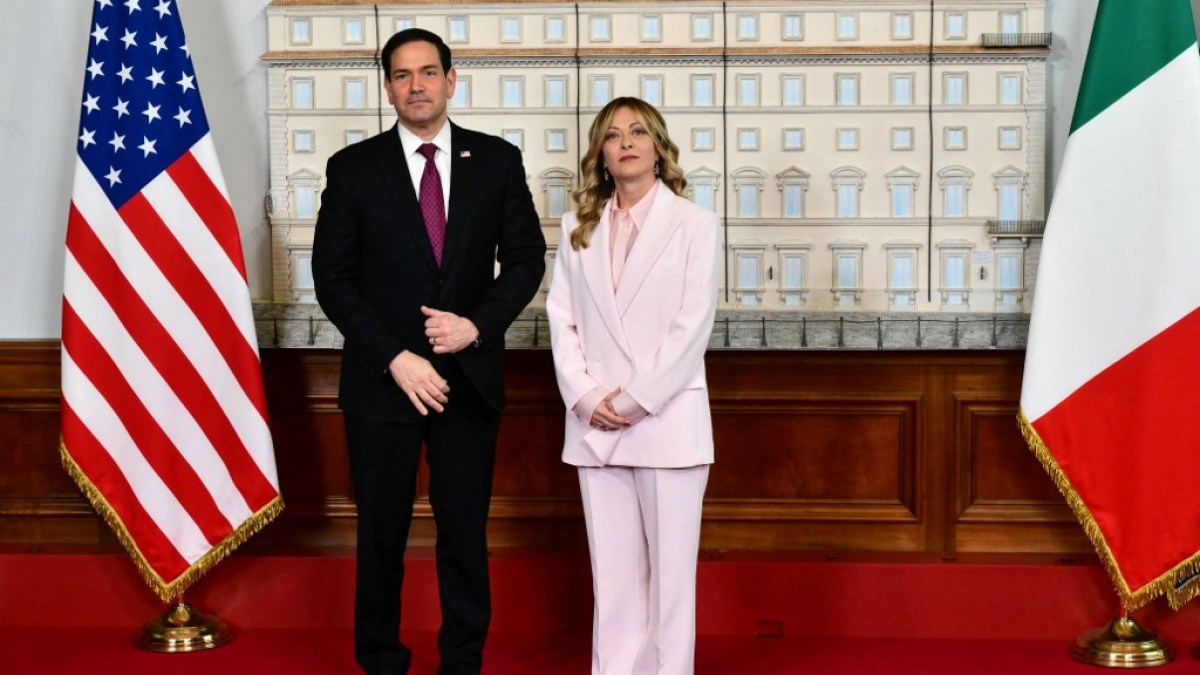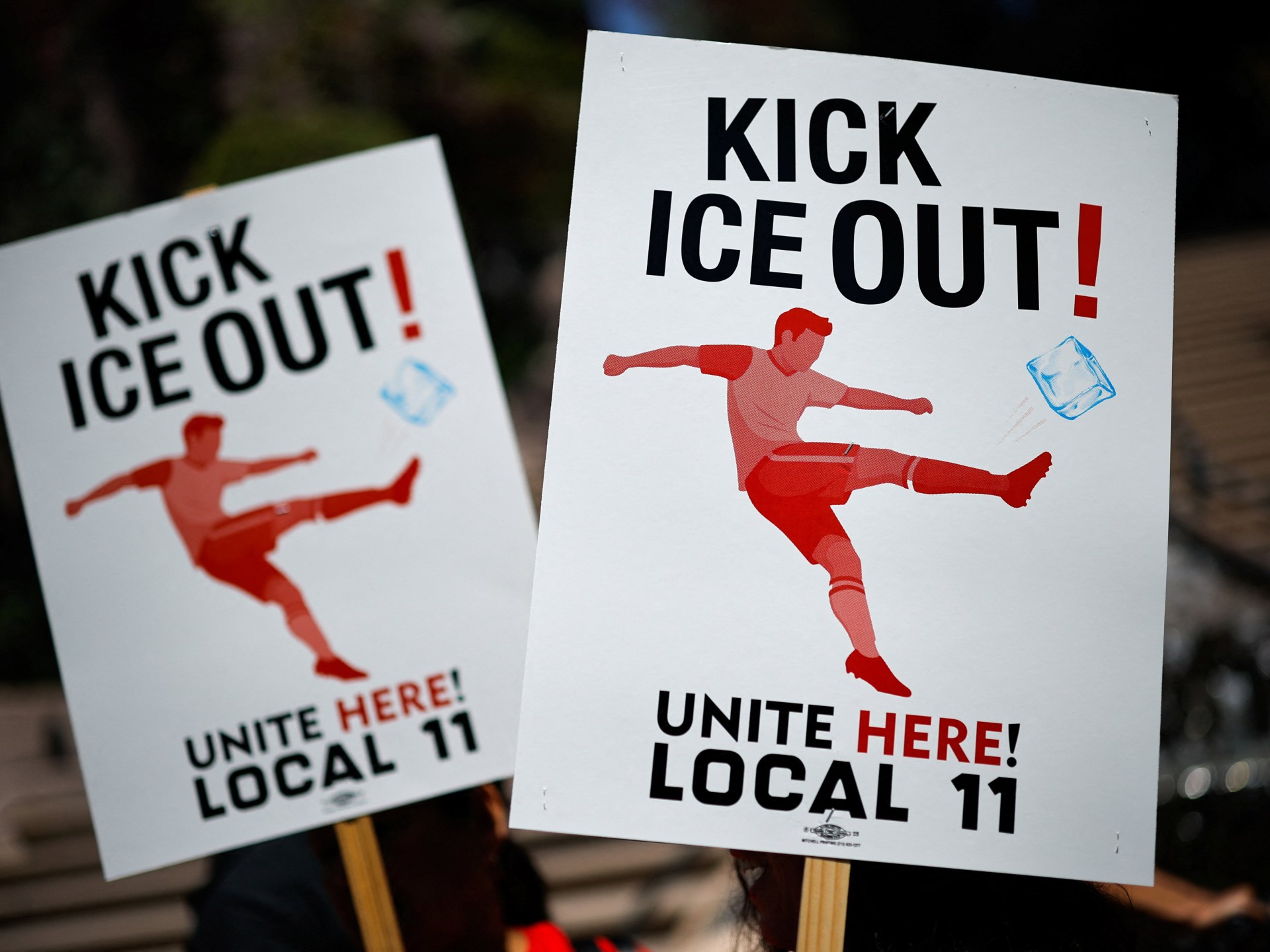

As the United States grapples with the optics of federal immigration enforcement agencies operating inside World Cup venues, the conversation extends well beyond Miami Stadiums to the Gulf states and North Africa, where sovereign wealth funds have poured billions into global sporting infrastructure on the assumption that mega-events function as political neutral zones. The reassurances delivered by Secretary of State Marco Rubio to Miami host committee co-chair Rodney Barreto that ICE will keep a perimeter around the pitch are not merely a domestic staging question—they signal to Abu Dhabi, Riyadh, and Doha whether the diplomatic architecture that shields sovereign-backed sports investments from partisan enforcement overreach remains intact. If that architecture erodes, it directly affects capital allocation decisions in the MENA corridor, where Public Investment Funds and sovereign venture arms have increasingly treated global football and mega-events as both financial instruments and soft-power platforms.
For regional venture capital and infrastructure capital, the stakes are compounding. Gulf sovereign funds have underwritten stadium construction, hospitality ecosystems, and digital ticketing platforms across the Middle East and North Africa, banking on predictable regulatory environments that allow foreign capital to flow into host markets without the taint of domestic enforcement operations. The 2024 Copa América gate breaches in Miami already sent a cautionary signal to infrastructure planners in Riyadh, Abu Dhabi, and Casablanca—venues now competing for the same global audience are watching how crowd control, perimeter security, and visa processing protocols are stress-tested under political polarization. Any perception that a host nation weaponizes immigration enforcement at a sporting event introduces sovereign risk that no amount of sovereign capital can fully hedge.
What matters for MENA institutional investors is the operational lesson embedded in Barreto’s comments: orderly passport processing and controlled perimeters are not administrative niceties but commercial prerequisites. Sovereign venture funds backing sports-tech startups, fan-engagement platforms, and stadium-as-a-service models need to bake immigration friction into their risk models, particularly as the United States under a second Trump administration resets its posture on federal enforcement. The regional implication is clear—MENA infrastructure mandates, from Qatar’s post-World Cup legacy projects to Saudi Arabia’s NEOM hospitality layer, must design for a geopolitical environment where the line between security and spectacle is no longer assumed to hold.