
The unprecedented re-rating of San Francisco’s ultra-premium residential market represents a critical inflection point for global capital allocation, with profound implications extending far beyond Northern California’s geographic boundaries. As artificial intelligence leaders like OpenAI, Anthropic, and SpaceX continue generating exponential wealth creation, Middle Eastern sovereign wealth funds and regional institutional investors are recalibrating exposure strategies toward technology-driven metropolitan real estate markets. The convergence of secondary market liquidity events and anticipated IPO cascades is creating a capital formation dynamic that mirrors the early 2000s dot-com era, albeit with significantly higher magnitude and velocity of wealth transfer.
For Gulf Cooperation Council sovereign investors managing over $3.2 trillion in assets, the San Francisco premium real estate phenomenon underscores a broader strategic imperative: direct allocation to innovation ecosystem capture points rather than traditional market proxies. MENA-based venture capital arms, particularly those affiliated with Abu Dhabi’s Mubadala and Saudi Arabia’s Public Investment Fund, have already deployed substantial capital into Bay Area secondary transactions and co-investment vehicles. This alignment with primary wealth creation engines reflects a calculated pivot toward participating in the earliest stages of technology monetization cycles, where regional capital can secure preferential positioning ahead of institutional flooding.
The knock-on effects for regional infrastructure development are equally material. Dubai’s emerging fintech corridor and Riyadh’s King Abdullah Financial District are positioning themselves as alternative destination markets for technology talent seeking comparable quality of life without San Francisco’s extreme entry costs—currently trading at $2,600 per square foot in premium segments. Cross-border capital flows from realized AI equity positions are fueling demand for second-tier metropolitan exposure across Dubai, Barcelona, and Miami, effectively rebalancing global residential demand curves away from traditional coastal gateway markets.
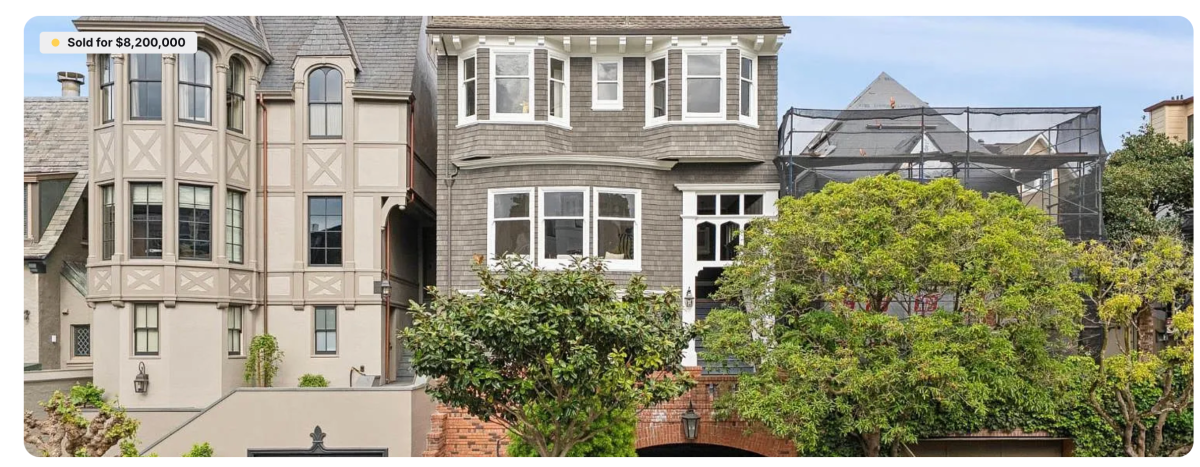
This liquidity-driven reallocation signals an accelerated timeline for Middle Eastern financial centers to establish institutional frameworks supporting direct technology sector exposure. Central bank governors across the region are evaluating regulatory adjustments to accommodate increased secondary market participation, while regional stock exchanges explore mechanisms for domestic listing of technology-derived income streams. The $15 million San Francisco transaction represents not merely a housing sale, but a harbinger of systemic wealth redistribution that will fundamentally reshape investment architecture linking Silicon Valley’s innovation output directly to Middle Eastern capital preservation strategies for the remainder of this decade.