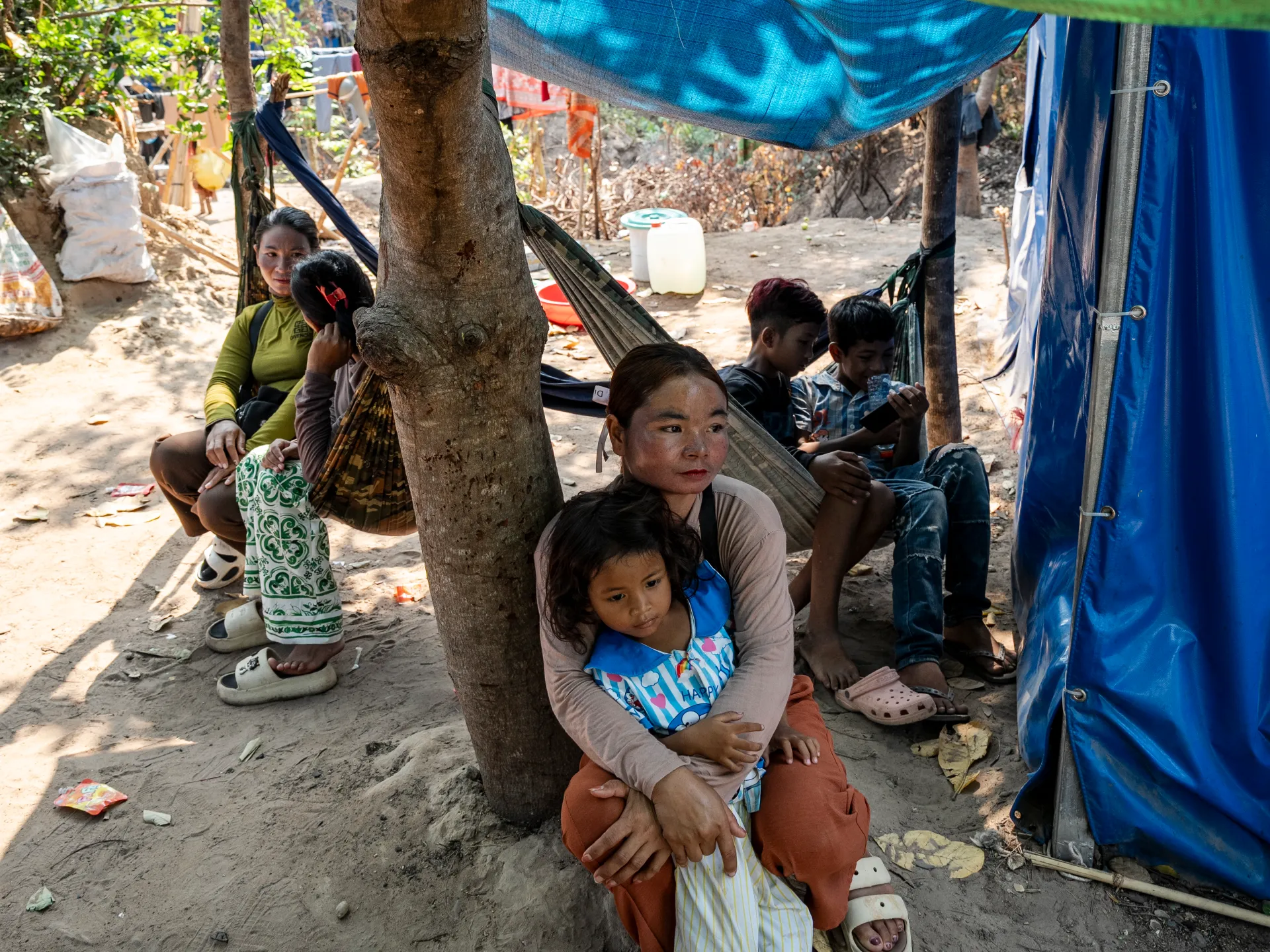

Border flare-ups and protracted displacement crises across fragile frontiers carry consequences that extend far beyond humanitarian headlines—they function as capital repricing events for sovereign allocators, development finance institutions, and private venture vehicles operating across the Middle East and North Africa. When tens of thousands of civilians are forced from productive land and urban peripheries into ad hoc camps, the erosion of human capital becomes measurable: school dropout rates spike, labor participation collapses, and the fiscal burden on host-governments intensifies just as revenue channels narrow. For MENA sovereign wealth funds and ministries of finance already navigating a complex energy-transition capex cycle, every adjacent instability episode compresses the discount rate on frontier allocations and redirects capital toward perceived safe harbors—Gulf corporates, OECD infrastructure bonds, and hard-currency reserves. The signal is unmistakable: where displacement persists, long-duration private capital retreats, and the region’s already-thin venture ecosystem absorbs yet another layer of risk premium.
The infrastructure implications are equally severe. Road networks, port access corridors, and energy interconnectors that border zones typically anchor become militarized or rendered unusable, fragmenting supply chains that MENA-linked logistics and industrial firms depend upon. Construction and buildout timelines—critical to the Gulf’s diversification thesis and North Africa’s industrialization ambitions—slip by quarters, if not years, when adjacent geographies descend into cyclical violence. Chinese government aid flows into affected displacement zones, as witnessed in recent Southeast Asian episodes, underscore a parallel strategic play: infrastructure-as-diplomacy that reshapes influence corridors at the expense of multilateral or private-sector-led development frameworks. MENA sovereign actors must weigh whether competing in this space requires direct co-investment or retrenchment behind bilateral security guarantees.
From a venture capital standpoint, the calculus is unforgiving. Founders operating in or adjacent to conflict-affected peripheries face collapsing local consumer demand, talent flight, and insurmountable insurance and compliance costs—conditions that render seed and Series A rounds structurally unviable without external subsidy. Regional VC platforms based in Riyadh, Abu Dhabi, and Amman that had begun expanding thesis coverage into broader emerging-market adjacency are now recalibrating entry corridors, favoring deep-tech and digital infrastructure plays that are geography-agnostic over physical asset-heavy models tied to contested terrain. The net effect: capital concentrates further in sovereign-backed venture vehicles while independent fund managers lack mandate to deploy into the highest-risk, potentially highest-reward frontier segments. Until ceasefire durability translates into credible institutional reform and displacement reversal, the MENA investment landscape will continue to price peripheral instability as a drag on portfolio construction and regional GDP trajectory alike.