
Intel’s meteoric 490 % rally over the past twelve months has reverberated across capital markets, prompting sovereign wealth funds and venture capital houses in the Middle East and North Africa to reassess exposure to the global semiconductor ecosystem. The surge, largely driven by optimism surrounding CEO Lip‑Bu Tan’s diplomatic overtures—most notably a strategic equity partnership with the U.S. government that now positions the administration as Intel’s third‑largest shareholder—has amplified the appetite of Gulf‑based investors for downstream chip‑fabrication assets and ancillary technology services. The implied upside aligns with the ongoing diversification drives of Saudi Arabia’s Public Investment Fund and Abu Dhabi’s Mubadala, both of which have earmarked billions for high‑tech holdings to reduce reliance on oil revenues.
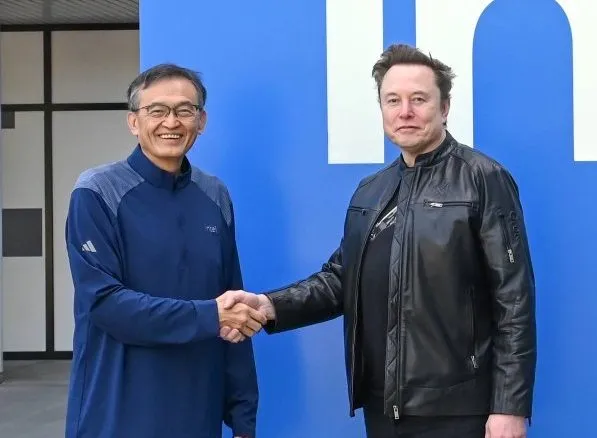
Tan’s approach, which has emphasized high‑profile collaborations with industry titans such as Elon Musk’s manufacturing ventures and tentative supply‑chain accords with Apple and Tesla, is being parsed as a blueprint for cross‑border technology integration. For MENA governments, the prospect of securing joint‑development agreements or co‑investment vehicles with Intel could accelerate the region’s nascent semiconductor fab projects, including Saudi Arabia’s planned “Wafer‑Scale” plant and the UAE’s emerging chip‑design clusters. These initiatives are expected to draw substantial private‑equity and venture capital inflows, catalyzing a home‑grown ecosystem that could mitigate the current technology import gap.
Nevertheless, the fundamentals that underpin Intel’s valuation remain tenuous. Yield performance continues to trail the industry benchmark set by TSMC, and internal sources report a lack of concrete turnaround milestones. This operational opacity translates into heightened risk for sovereign investors, who must balance the allure of rapid capital appreciation against the probability of execution shortfalls. Accordingly, many regional funds are structuring their exposure through staged financing and performance‑linked covenants, ensuring that any capital deployment remains contingent on measurable improvements in manufacturing efficiency and product road‑maps.
In sum, Intel’s stock rally has become a catalyst for a broader reallocation of MENA capital toward the semiconductor value chain, prompting both sovereign wealth entities and venture investors to seek strategic footholds in a sector long dominated by East‑Asian incumbents. The ultimate impact on regional infrastructure—spanning advanced manufacturing facilities, logistics networks, and talent pipelines—will hinge on Intel’s ability to translate diplomatic wins into tangible technology breakthroughs, a development that investors across the Gulf are watching with calibrated optimism.