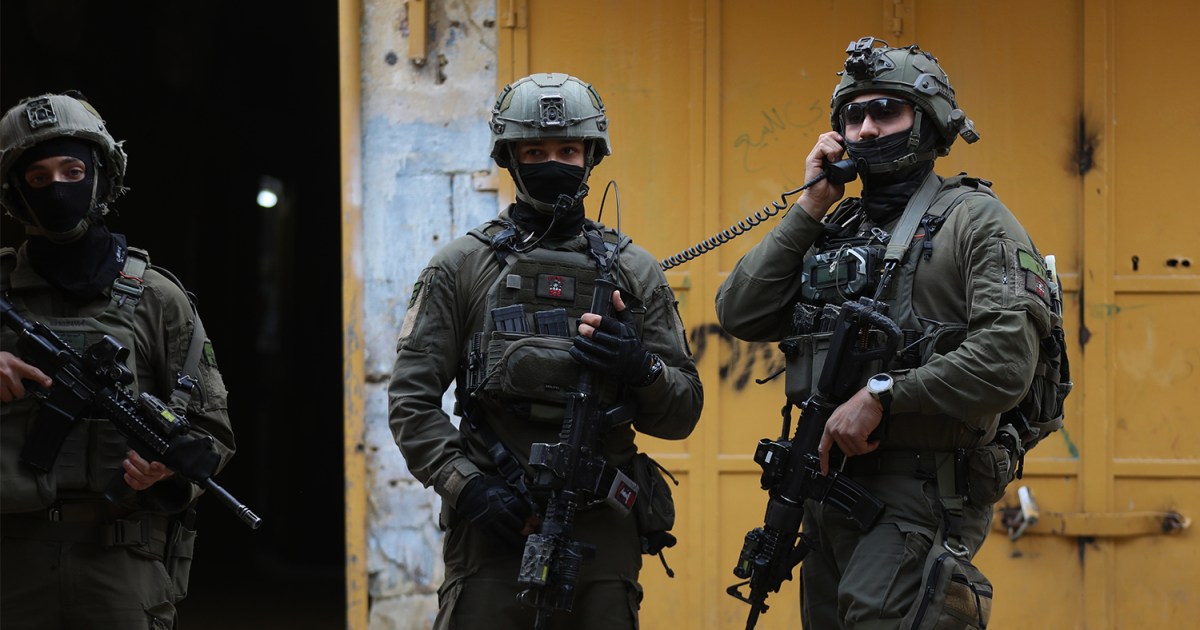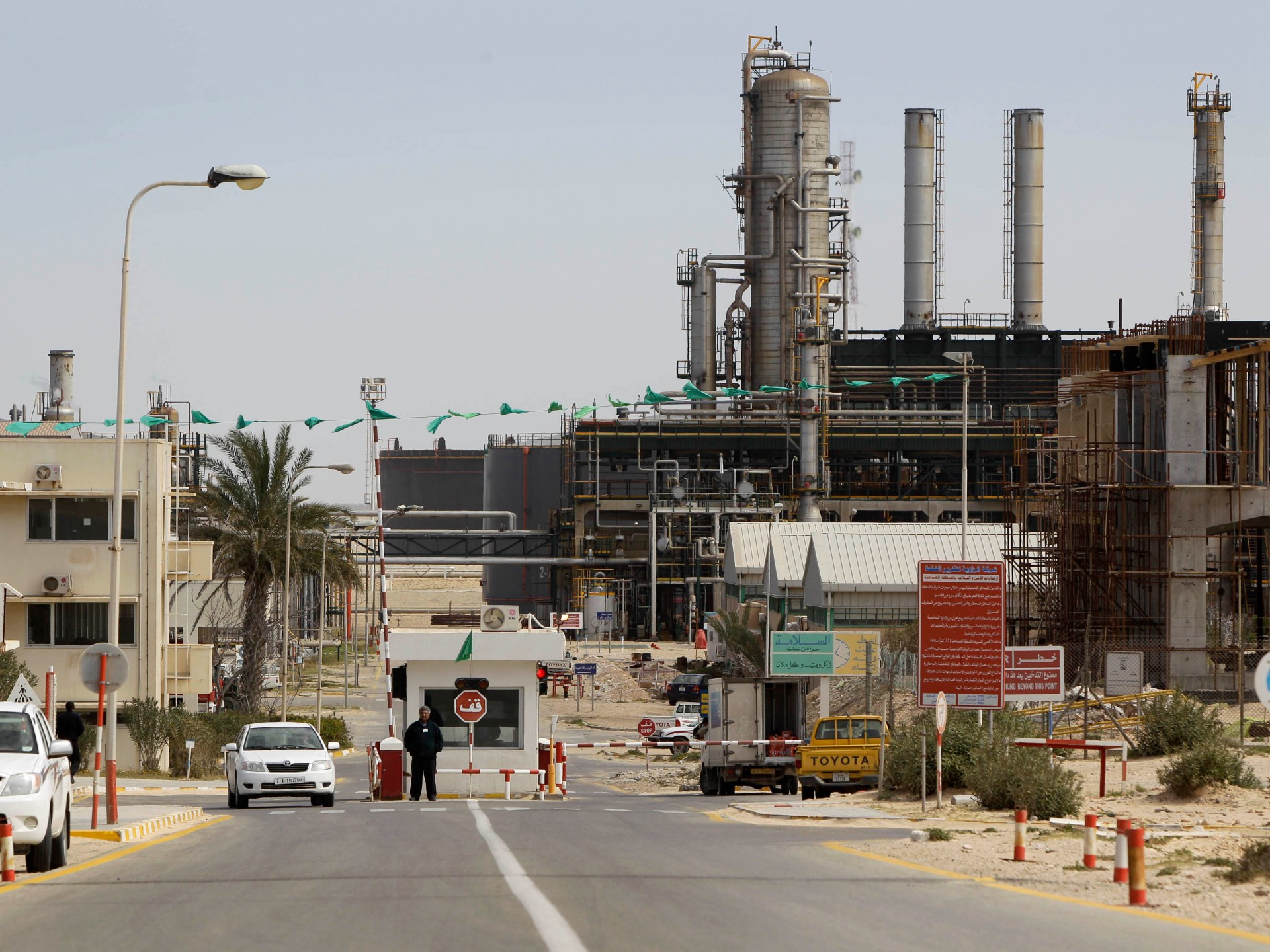

The forced shutdown of Libya’s Zawiya refinery, Africa’s largest by capacity at 120,000 barrels per day, underscores the fragility of the nation’s oil infrastructure amid escalating violence. Despite claims of minimal operational damage, the evacuation of staff and suspension of production at a facility linked to the 300,000-bpd Sharara oilfield signal acute risks to Libya’s hydrocarbon output—a sector critical to its sovereign economy. While the National Oil Corporation (NOC) reassured continued domestic fuel supplies, the incident highlights how recurring armed clashes near strategic assets disrupt operational resilience, escalating costs for security and maintenance while deterring foreign and domestic investment. For a country where oil revenues account for over 95% of export earnings, such disruptions amplify fiscal vulnerabilities, particularly as Libya’s sovereign debt and budget deficits loom at $75 billion and 15% of GDP, respectively.
The conflict’s timing coincides with renewed scrutiny of Libya’s sovereign capital markets, which have struggled to attract investors amid political fragmentation and weak institutional frameworks. The fighting near Zawiya—operated by a joint venture between Libya’s state-owned NOC and private entities—reveals systemic risks for infrastructure financing. Foreign lenders, including Gulf-based sovereign wealth funds, remain cautious about extending credit to projects in regions where violence and regulatory uncertainty persist. This standoff threatens to deepen Libya’s reliance on state-backed financing, further constraining access to global capital markets critical for debt restructuring and infrastructure modernization. The refinery’s halt, if prolonged, could exacerbate funding gaps for Libya’s ongoing economic reforms under the GNA, undermining efforts to balance fiscal consolidation with social stability.
Regional infrastructure implications extend beyond Libya’s borders, as instability in the Zawiya corridor disrupts plans for a $12 billion regional pipeline network aimed at linking North African oilfields to Mediterranean markets. The refinery’s temporary closure serves as a litmus test for Libya’s ability to secure international technical and financial support for infrastructure rehabilitation—a precondition for revitalizing its role as a supplier to EU and Asian markets. Meanwhile, the violence underscores the precariousness of venture capital (VC) ecosystems in the region, with Libya’s tech startup sector, still nascent, facing existential challenges due to security volatility and energy sector stagnation. Investors prioritize high-liquidation-value assets in conflict zones, sidelining VC opportunities that require longer horizons and regulatory predictability.
The Zawiya incident epitomizes the intersection of geopolitical turmoil and economic decay in Libya, where decades of conflict have eroded institutional capacity to manage critical infrastructure. While the NOC’s ability to maintain fuel output offers short-term reassurance, the event underscores the dire need for sovereign-backed investment in energy security and governance reforms. Absent such measures, Libya’s oil sector—and by extension its national economy—remains vulnerable to cyclical disruptions, perpetuating a cycle of underinvestment, capital flight, and systemic underperformance across its financial and technological landscape.