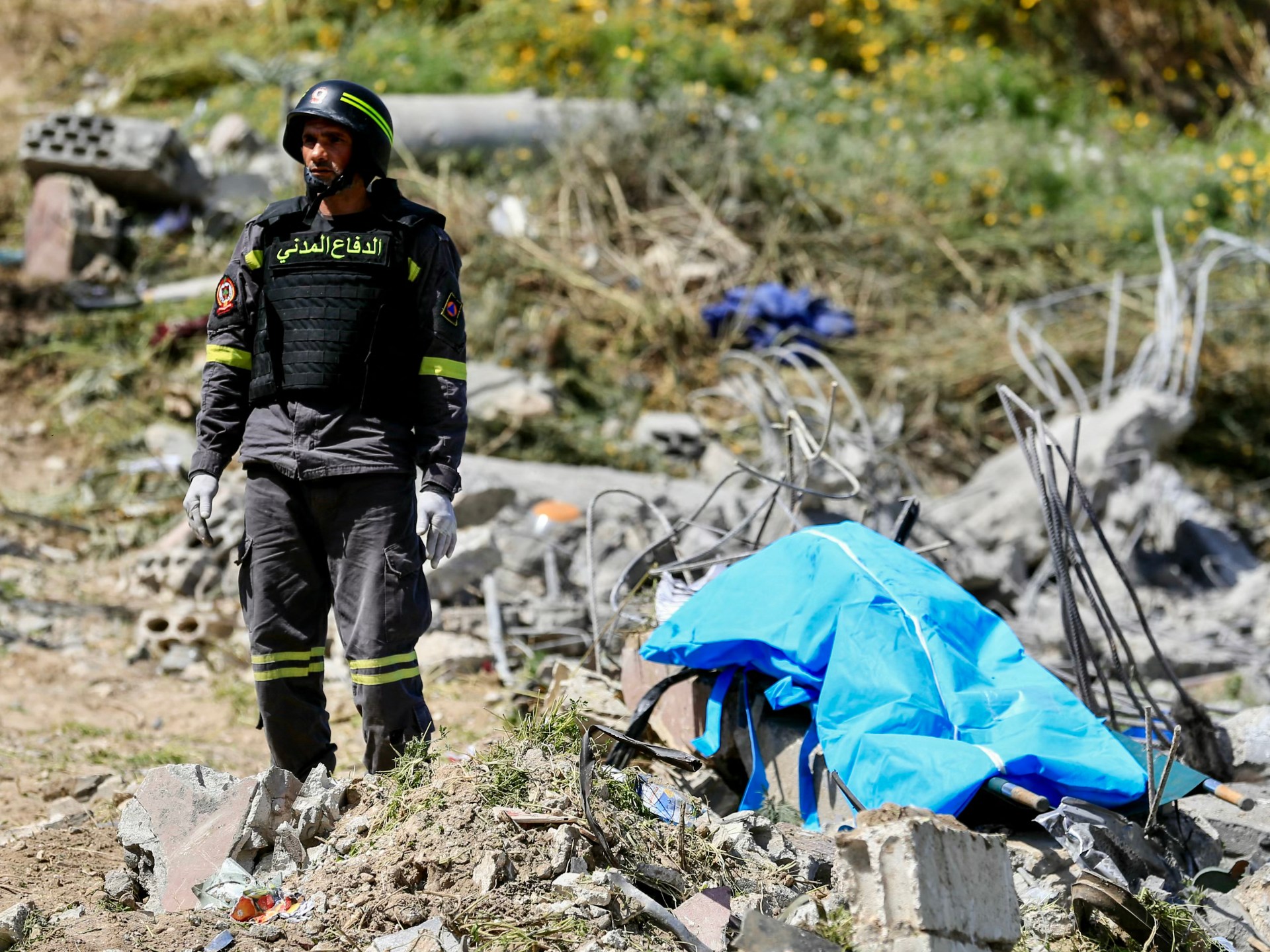

The recent developments surroundingthe US-Iran ceasefire and escalating tensions in Lebanon present critical implications for the MENA region’s business landscape. While the temporary stabilization of hostilities may offer a narrow window for economic activity, the persistent rhetoric from Tehran regarding safeguards for oil tankers and Israel’s military actions in Lebanon introduce significant uncertainty. This friction could disrupt cross-border trade, particularly in energy and shipping sectors, where infrastructure vulnerabilities are already pronounced. Businesses reliant on stable supply chains or energy exports may face heightened operational risks, necessitating costly contingency planning. Furthermore, the geopolitical volatility could deter foreign direct investment (FDI) in key MENA markets, undermining growth prospects in industries such as technology, manufacturing, and renewable energy. The balancing act between leveraging short-term calm and mitigating long-term risks will define the region’s ability to sustain competitive advantage in a fragmented global economy.
Sovereign capital dynamics in the MENA region are likely to be tested by these events. The ceasefire, if maintained, could allow Iran to redirect domestic resources toward economic revitalization or infrastructure modernization, potentially boosting sovereign wealth fund (SWF) initiatives. However, Iran’s warnings against attacks on tankers signal a recalibration of its strategic priorities, which may strain fiscal reserves or require increased defense spending. Neighboring countries, including Gulf states, might reassess their sovereign capital strategies, favoring hedging against regional instability through diversification or prudent reserve management. For instance, Lebanon’s economic crisis could exacerbate pressure on its foreign reserves, highlighting the fragility of sovereign financial systems in conflict-prone environments. The interplay between regional security and capital allocation will determine whether sovereign entities can sustain long-term investments or face forced retrenchment in the face of recurrent unpredictability.
Venture capital (VC) activity in the MENA region may experience a pronounced slowdown due to the prevailing uncertainty. Startups and growth-stage companies often rely on stable geopolitical conditions to attract investors, and the current climate—marked by military confrontations and hemispheric tensions—could erode investor confidence. Sectors such as fintech, agritech, and digital infrastructure, which have shown promise in the region, might face tighter funding terms or reduced exits. Conversely, the ceasefire could create a brief opportunity for VC players to target high-impact, resilience-focused ventures in areas like cybersecurity or energy efficiency. However, the presence of conflicting signals— Peace efforts alongside militarized rhetoric—could fragment investment priorities, with some funds favoring non-geopolitical sectors while others remain cautious. The regional infrastructure’s ability to support innovation ecosystems, from logistics networks to digital connectivity, will be pivotal in determining whether VC can rebound despite external shocks.
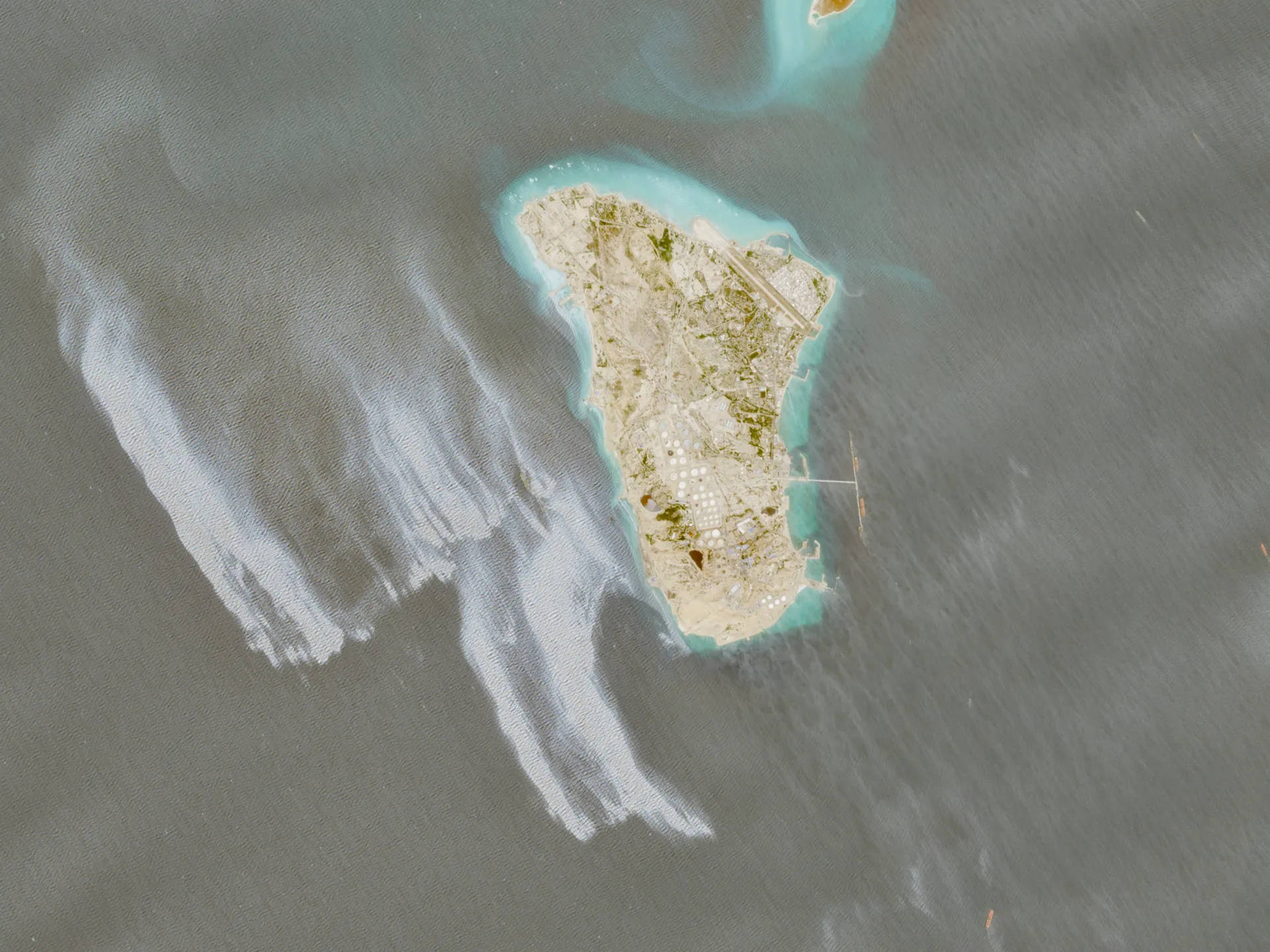
Regional infrastructure implications are profound, particularly in energy and transportation. The threats to oil tankers underscore vulnerabilities in MENA’s critical infrastructure, which remains a cornerstone of economic activity. A sustained ceasefire might temporarily improve security for energy exports, but Iran’s insistence on tanker protections and Lebanon’s ongoing instability could provoke retaliatory measures or proxy conflicts. This risks further depreciation of oil prices or increased operational costs for energy infrastructure projects. Additionally, the integration of new technologies—such as smart grids or cross-border digital highways—may be delayed due to funding bottlenecks or political reluctance. For the MENA region to capitalize on its infrastructure potential, stakeholders must prioritize de-risking strategies and international collaboration, ensuring that investments are both resilient and aligned with long-term economic goals amid a volatile geopolitical environment.