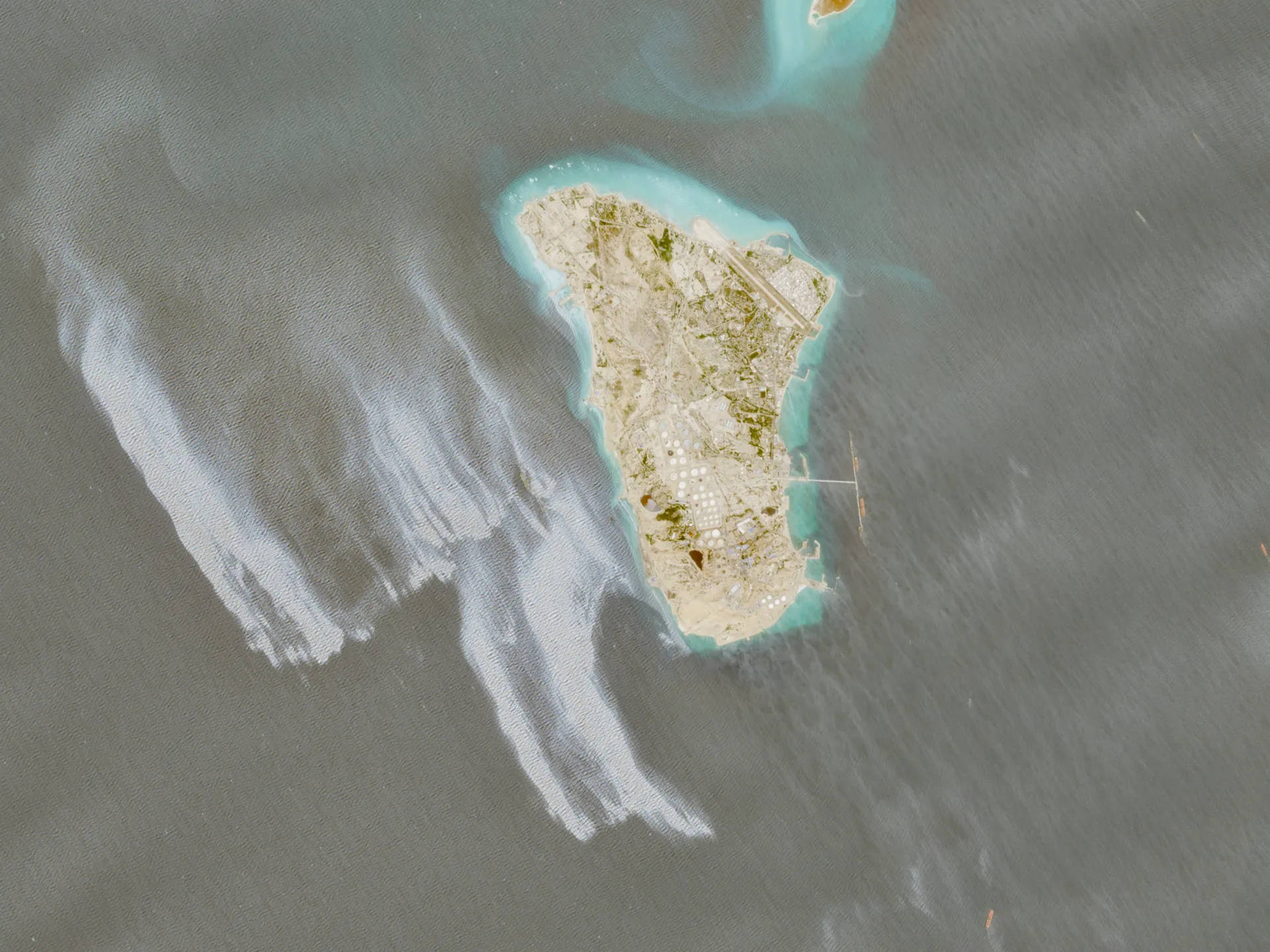

The emergence of a significant oil slick off Iran’s Kharg Island, the linchpin of the nation’s hydrocarbon export infrastructure, has triggered immediate recalibrations across Middle Eastern financial markets and sovereign wealth portfolios. With capacity to process roughly 80% of Iran’s crude exports, any disruption to operations at Kharg reverberates through the regional energy architecture, directly impacting the fiscal positions of Gulf sovereign investors whose portfolios remain heavily weighted toward energy infrastructure. The incident underscores the persistent vulnerability of critical energy nodes in the Persian Gulf, where approximately 21% of global petroleum liquids pass through relatively confined maritime corridors, threatening the stability that regional sovereign wealth funds—managing over $3 trillion collectively—depend upon for predictable returns.
For institutional investors managing MENA-focused infrastructure funds, the slick represents more than an environmental concern—it exposes the capital-intensive nature of maintaining ageing pipeline networks and offshore loading facilities across the region. The Gulf petrostates collectively channel approximately $45 billion annually into upstream infrastructure modernization, yet insurance costs have risen 12% year-over-year following similar incidents, according to regional risk assessors. Sovereign wealth vehicles including ADIA, Mubadala, and Saudi Arabia’s PIF have increasingly scrutinized their energy infrastructure allocations, with combined assets exceeding $1.8 trillion facing potential impairment valuations amid tightening environmental regulations and rising liability coverage requirements.
The venture capital ecosystem across Dubai, Riyadh, and Cairo has mobilized significantly around environmental monitoring and spill response technologies, with regional VC funding in clean energy solutions reaching $2.3 billion in 2025—up 67% from the previous year. Leading regional investors including STV, MENA Ventures, and Wadi Makkah Ventures have positioned portfolios toward predictive analytics platforms utilizing satellite imagery and IoT sensor networks, technologies that could have provided earlier detection of such incidents. The Kharg Island event accelerates regional governments’ commitments to establishing integrated environmental monitoring systems, with GCC states allocating approximately $890 million toward smart infrastructure upgrades that blend traditional energy operations with real-time environmental safeguards.
Ultimately, this incident crystallizes the strategic imperative facing MENA’s transition economies: balancing immediate energy export revenues against long-term infrastructure resilience and environmental compliance. As the region navigates an estimated $215 billion infrastructure spend through 2030, sovereign investors are increasingly prioritizing dual-purpose projects that enhance both operational efficiency and environmental monitoring capabilities. The convergence of climate risk assessment with traditional energy infrastructure investment represents a fundamental shift in regional capital allocation strategies, where the next generation of sovereign wealth management will likely require mandatory environmental risk provisioning as standard practice rather than exceptional circumstance.