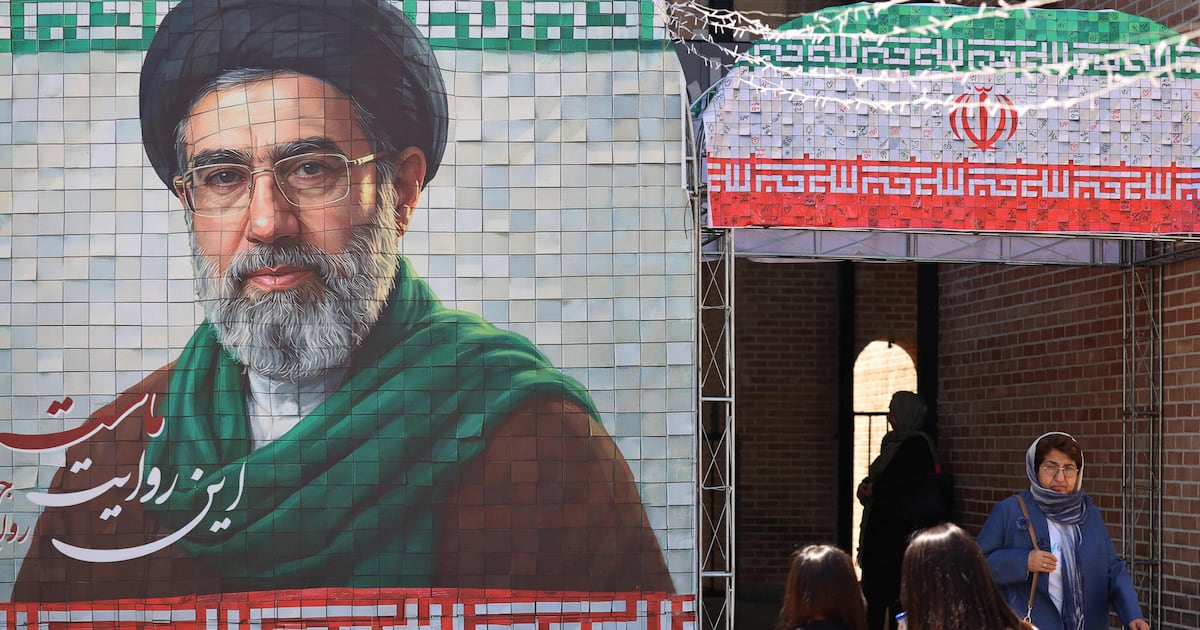

The reported health status ofAyatollah Mojtaba Khamenei, coupled with his prolonged absence from public view, has introduced a significant political uncertainty that reverberates through the Middle East and North Africa’s capital markets. Analysts warn that the lack of a visible, consolidated leadership could trigger risk premium adjustments across sovereign bonds and equity indices, as investors reassess the stability of Iran’s policy environment and its spill‑over effects on neighboring economies.
Iran’s sovereign wealth mechanisms, notably the National Development Fund and the Central Bank’s foreign exchange reserves, are likely to experience heightened scrutiny from domestic and international stakeholders. The potential need for a more decentralized decision‑making structure may delay or re‑prioritize large‑scale infrastructure projects, prompting a reevaluation of funding allocations by Gulf sovereign funds that traditionally support cross‑border ventures in energy, transport, and logistics.
Venture capital and technology ecosystems across the MENA region face a paradoxical environment: while sanctions and geopolitical tension constrain outbound capital flows, the continued activity of local commanders in a “mosaic defence” posture sustains demand for advanced defence technologies and cybersecurity solutions. However, the ambiguity surrounding Iran’s strategic direction could deter foreign VCs from committing to early‑stage firms, slowing the region’s broader innovation financing pipeline.
Infrastructure development, from the Chabahar port expansion to the Baghdad‑Tehran rail corridor, hinges on a predictable political command structure to secure financing, regulatory approvals, and cross‑border coordination. The current leadership vacuum raises the probability of project postponements, increased financing costs, and a potential shift in regional investment strategies toward more stable jurisdictions, thereby reshaping the competitive landscape for construction, utilities, and logistics firms operating in the Middle East and North Africa.