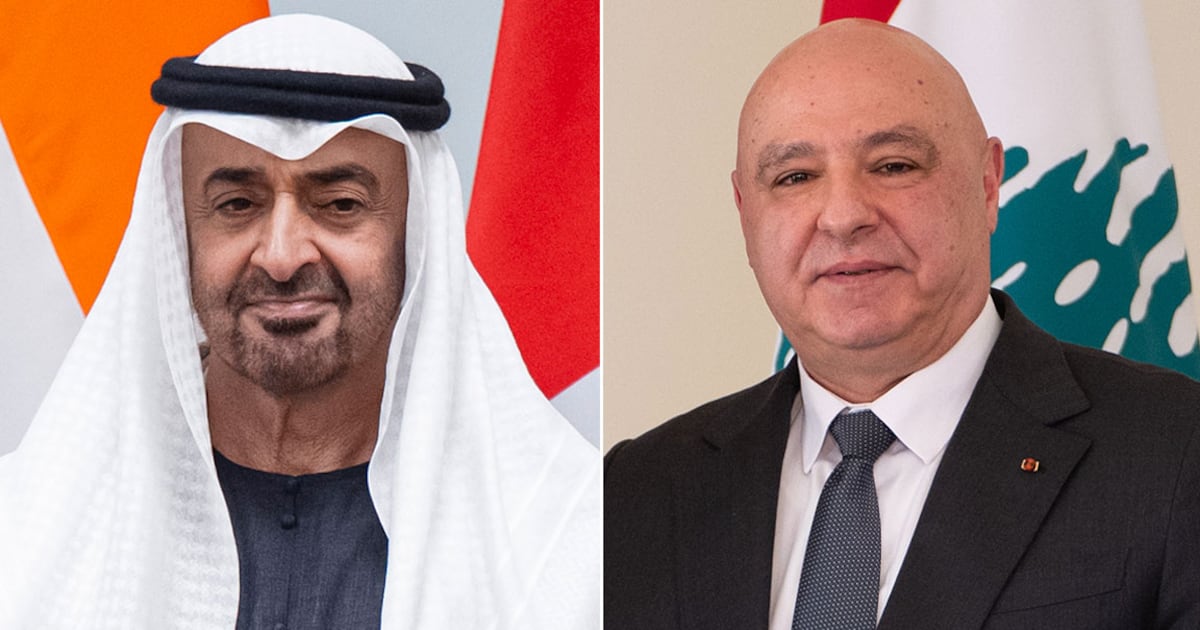

The recent Iranian missile and drone attacks on the UAE, coupled with Lebanon’s underscore of regional solidarity, signal a destabilizing trend with profound implications for MENA’s financial and technological ecosystems. The recurrence of hostilities following the conditional US-Iran ceasefire disrupts economic confidence, particularly for Gulf Cooperation Council (GCC) states reliant on stable regional dynamics to attract sovereign capital. As Iran’s aggression undermines infrastructure and commercial activities, sovereign wealth funds in the UAE and Saudi Arabia may face pressure to reallocate resources toward defense and security initiatives, diverting capital from developmental projects. This capital realignment risks exacerbating fiscal deficits, compelling countries to either draw from sovereign reserves or seek external borrowing, which could amplify debt burdens amid already volatile market conditions. Venture capital (VC) players in the region may similarly reassess portfolios, with declining investor appetite for high-risk startups in conflict-adjacent sectors like logistics or energy. Instead, VC flows could shift toward defense technology and resilience-focused innovations, reflecting the region’s recalibrated risk appetite.
The business impact of these attacks extends beyond immediate security concerns, threatening long-term regional growth trajectories. Civilian and civilian infrastructure targeting directly impacts supply chains, energy production, and cross-border trade, sectors critical to MENA’s economic fabric. The UAE, a hub for global business and a key player in regional infrastructure investment, faces potential disruptions in FDI inflows as investors reassess geopolitical risks. Lebanon, already grappling with economic fragility, may see further strain on its public finances as security expenditures rise, limiting its capacity to stabilize sovereign capital. For VC ecosystems, the heightened risk environment could trigger a flight of capital to safer assets or offshore markets, reducing liquidity for local startups. However, the demand for advanced cybersecurity and defense tech solutions presents a niche opportunity for VC-backed firms capable of addressing sector-specific vulnerabilities. Regionally integrated projects, such as the UAE’s infrastructure initiatives or GCC cross-border ventures, may face reconsideration, delaying key developments and increasing cost overruns due to security contingencies.
The attack-driven surge in defense spending could reshape MENA’s regional infrastructure landscape, prioritizing resilience over expansion. Countries may redirect investments toward hardening critical assets—such as energy grids, ports, and communication networks—against asymmetric threats. While this enhances security, it risks diverting funds from long-term developmental goals like smart city projects or renewable energy transition programs. Infrastructure financing mechanisms, including sovereign debt issuance or public-private partnerships, could face heightened scrutiny, with investors demanding stricter risk assessments tied to geopolitical volatility. Concurrently, the region’s emerging technology sector may experience a bifurcation: while cybersecurity VC deals gain traction, industries reliant on stable infrastructure face higher operational risks. This dichotomy underscores the need for regional policymakers to balance security investments with sustainable growth agendas, ensuring that infrastructure resilience policies do not inadvertently stifle innovation or economic diversification efforts. The coming months will likely see a recalibration of capital allocation strategies as stakeholders navigate the intertwined risks of conflict, fiscal pressure, and technological transformation.”