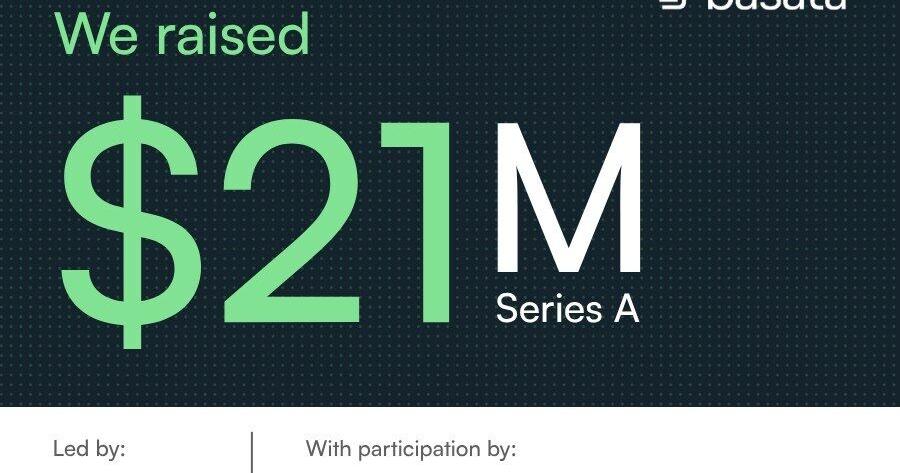

Basata’s recent $21 million Series A investment, led by Basis Set Ventures and joined by prominent venture capital firms, underscores the growing strategic imperative for technology to address systemic inefficiencies in healthcare ecosystems. While the company’s AI-driven platform primarily targets U.S. market inefficiencies in administrative workflows—such as referral processing and patient scheduling—its success highlights a replicable model with profound business impact implications for the Middle East and North Africa (MENA). The region’s healthcare systems face chronic operational bottlenecks, including fragmented referral management and underutilized administrative capacity, which translate to significant cost overruns and suboptimal patient outcomes. By automating time-intensive tasks through purpose-built AI agents, Basata demonstrates how sovereign capital could be strategically allocated to modernize public and private healthcare infrastructure in MENA, where digital transformation remains fragmented. This aligns with global VC trends prioritizing clinical-adjacent AI solutions that address scalability and cost containment, positioning Basata as a blueprint for similar ventures in MENA’s expanding healthtech landscape.
The influx of venture capital into healthcare technology, as evidenced by Basata’s round, signals a broader shift in capital allocation priorities for MENA’s tech ecosystem. Sovereign entities in the Gulf Cooperation Council (GCC) and strategic investors across North Africa are increasingly directing resources toward AI-driven platforms that promise demonstrable ROI through operational efficiency gains. For instance, the reduction in administrative delays and labor costs achieved by Basata could be mirrored in MENA’s public health systems, where manual processes often delay patient care and inflate administrative expenditures. Such investments would require robust regional infrastructure—including secure digital frameworks, interoperable EHR systems, and workforce reskilling initiatives—to support AI deployment at scale. The success of Basata’s $24.5 million funding to date reinforces the region’s need to cultivate a proactive investment climate that bridges healthcare gaps through technology, leveraging both local and global VC networks to de-risk innovations tailored to the MENA context.
Basata’s model also illustrates the transformative potential of AI in reshaping regional infrastructure dependencies. In MENA, where public healthcare systems often grapple with antiquated operational frameworks, the adoption of end-to-end AI solutions could alleviate pressure on under-resourced administrative sectors. This would necessitate coordinated efforts between governments and private entities to build supportive digital ecosystems—from cloud computing capacity to regulatory sandboxes for healthtech. Moreover, the company’s emphasis on embedding AI agents directly into clinicians’ workflows highlights a critical insight: technology must be designed with practitioner input to ensure adoption. For MENA markets, where trust in digital health solutions remains variable, such co-creation approaches could serve as a model for scaling similar platforms. The ultimate impact would be a measurable reduction in operational waste, freeing capital for clinical investments and improving access to care—a strategic asset for regions where budgetary constraints and demographic pressures strain healthcare delivery.