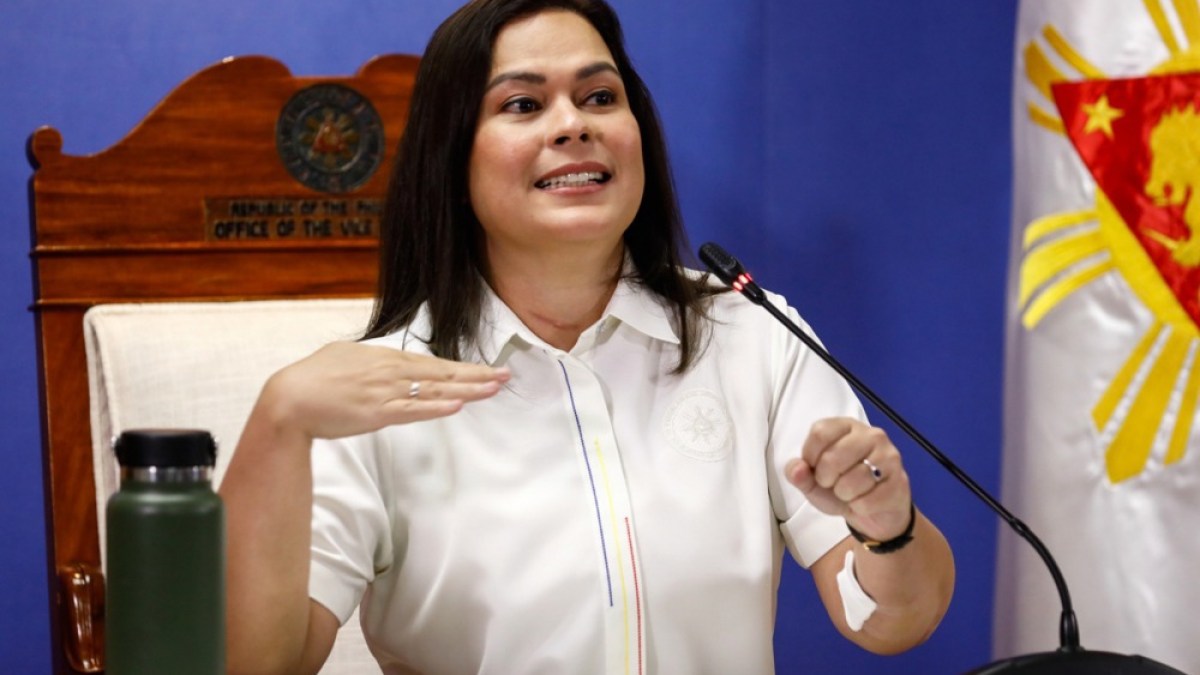

Institutional analysts note that the ongoing political upheaval in the Philippines, epitomized by the impending impeachment of Vice President Sara Duterte, poses acute challenges to regional economic stability in the Middle East and North Africa (MENA). The escalating constitutional crisis, compounded by the International Criminal Court (ICC)-mandated arrest of former President Rodrigo Duterte and the unraveling of the Marcos-Duterte political alliance, introduces heightened uncertainty for sovereign capital flows into Southeast Asia. This environment risks exacerbating capital flight from ASEAN nations, including the Philippines, as investors assess risks to institutional continuity. For MENA, this could mean reduced inflows into regional sovereign debt markets, as global risk aversion intensifies. Countries like Egypt and Jordan, already grappling with debt restructuring, may face downward pressure on borrowing costs’ attractiveness to foreign creditors, who may reprice sovereign guarantees tied to ASEAN-linked public-private partnerships. The erosion of trust in constitutional governance structures in the Philippines could also deter MENA-based financial institutions from pursuing cross-Belt and Road Initiative (BRI) projects in Southeast Asia, prioritizing instead sovereign risk mitigation over speculative infrastructure bets.
The venture capital (VC) ecosystem in MENA is particularly vulnerable to the spillover effects of Philippine political instability. The global VC community—heavily concentrated in MENA hubs like Dubai and Riyadh—has historically viewed ASEAN as a high-growth corridor, with Filipino tech ecosystems attracting disproportionate attention due to their English proficiency and comparative stability. However, the impeachment proceedings, coupled with allegations of financial misconduct against Duterte, risk undermining investor confidence in the entire region. MENA VCs, which often co-invest with sovereign wealth funds and Abu Dhabi Global Market (ADGM)-aligned initiatives, may pivot toward African markets or South Asia, where regulatory frameworks remain opaque but less entangled in dynastic political legacy. This shift could leave MENA’s nascent tech startups—particularly those reliant on transnational funding pools—competing for dwindling capital amid a broader regional confidence crisis.
Regional infrastructure development in MENA, a stated priority for Gulf Cooperation Council (GCC) states, faces indirect jeopardy from the Philippine crisis. The ASEAN Economic Community’s stalled digital trade agreements and cross-ASEAN energy grid projects—critical for MENA’s “Look East” energy diversification strategy—risk further delays due to PhPI’s domestic chaos. This could deter MENA states from committing to long-term infrastructure investment guarantees in the Philippines, redirecting sovereign capital toward alternative projects in Pakistan or Indonesia. However, the crisis also unveils strategic opportunities: GCC lenders, such as the Abu Dhabi Development Finance Agency (tdhopter), may seek collateralized deals in Philippine real estate or brownfield electricity assets, leveraging regional instability to renegotiate terms under Abu Dhabi Vision 2030’s sovereign wealth optimization mandates. Such maneuvers, while commercially astute, risk heightening MENA’s geopolitical exposure in Southeast Asia, entangling sovereign portfolios in the Philippines’ polarized electoral calculus.
The constitutional showdown between Duterte and President Marcos Jr., with the latter campaigning for the 2028 presidency, underscores a governance model antithetical to MENA’s own struggles with authoritarian legacies and technocratic reforms. For MENA policymakers, PhPI’s saga serves as a cautionary tale: protracted political discord correlates with diminished foreign direct investment (FDI) and eroded public expenditure on infrastructure. This aligns with recent World Bank data showing that ASEAN nations with poor transparency metrics receive 20–30% less FDI than Gulf states with reformed governance codes. To mitigate this, MENA’s sovereign wealth funds—such as Saudi Arabia’s Public Investment Fund—may accelerate investments in Central Bank digital currencies (CBDCs) or blockchain-enabled sovereign bond platforms, decoupling capital allocation from political chaos. The outcome of Duterte’s impeachment trial will thus resonate beyond Manila, shaping MENA’s recalibration of sovereign risk frameworks and investments in innovation ecosystems beyond ASEAN’s frayed peripheral markets.