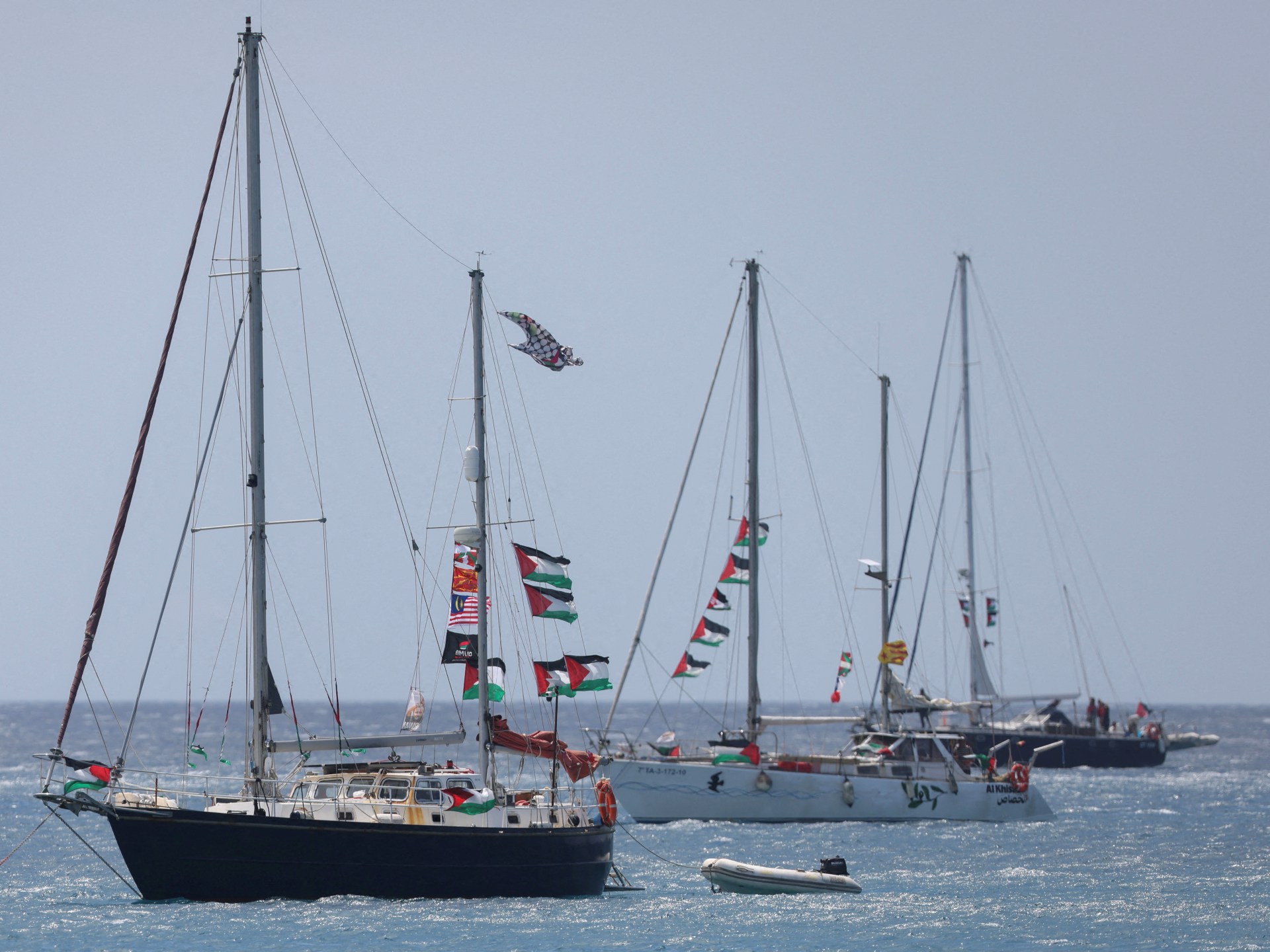

The violent interception of the Global Sumud Flotilla by the Israeli navy, over 600 nautical miles from Gaza in international waters, presents a stark case study in geopolitical risk management for the Middle East and North Africa. This incident not only challenges established maritime sovereignty conventions but also underscores the deepening financial and strategic vulnerabilities facing sovereign capital allocators in the region. Athens-based Greek ports, acting as a critical node in NATO-aligned maritime security operations, found themselves at the center of a legal and diplomatic quandary when vessels under their jurisdiction were seized by a foreign military actor. The implications extend beyond immediate humanitarian concerns, raising questions about the calcified nature of regional security partnerships and the exposure of European and Gulf sovereign wealth funds to jurisdictions embroiled in protracted conflicts.
For investors evaluating the MENA region, such incidents highlight the precarious balance between economic opportunity and existential risk. Sovereign capital from states like Qatar, Abu Dhabi, and Saudi Arabia, already navigating the complexities of diversification strategies under Vision 2030 initiatives, must now factor in the cascading effects of maritime escalation. The Mediterranean corridor—home to over $300 billion in annual trade—faces heightened uncertainty as tensions disrupt traditional insurance frameworks and shipping route risk premiums. Moreover, the role of venture capital ecosystems in Jordan, Egypt, and Turkey is indirectly threatened by reputational spillovers, as sustained regional instability dampens entrepreneurial confidence and foreign direct investment inflows essential for tech-sector growth.
The event also intensifies scrutiny on Turkey’s maritime ambitions and its strategic rivalry with Greece within the Aegean Sea—a dispute rooted in unresolved post-Ottoman borders that directly impacts NATO cohesion and, by extension, transatlantic capital flows. Ankara’s positioning as a regional hub for innovation and logistics infrastructure places it at risk of economic sanctions or diplomatic isolation if its actions are perceived as escalating tensions. Simultaneously, the Mediterranean’s nascent blue economy—spanning offshore wind, tourism, and maritime tech startups—faces capital allocation freezes as investors retreat to perceived safe havens. The flotilla’s interception thus functions as a proxy for broader systemic risks: the potential fragmentation of regional supply chains, energy transit routes, and the very foundations of multilateral economic governance in an increasingly polarized geopolitical landscape.
From a venture capital and sovereign capital perspective, the MENA region’s attractiveness is being recalibrated in real time. While Abu Dhabi and Riyadh continue to champion regulatory reforms and tech-friendly policies, the specter of kinetic conflict and extraterritorial legal entanglements forces institutional investors to reassess their risk-return paradigms. The incident serves as a reminder that economic diversification strategies, however ambitious, remain hostage to the whims of statecraft and military adventurism. For premium institutions tasked with safeguarding national assets, the message is clear: the region’s future prosperity hinges not merely on macroeconomic reforms, but on the stability of its geopolitical architecture—and the reliability of its guarantors.