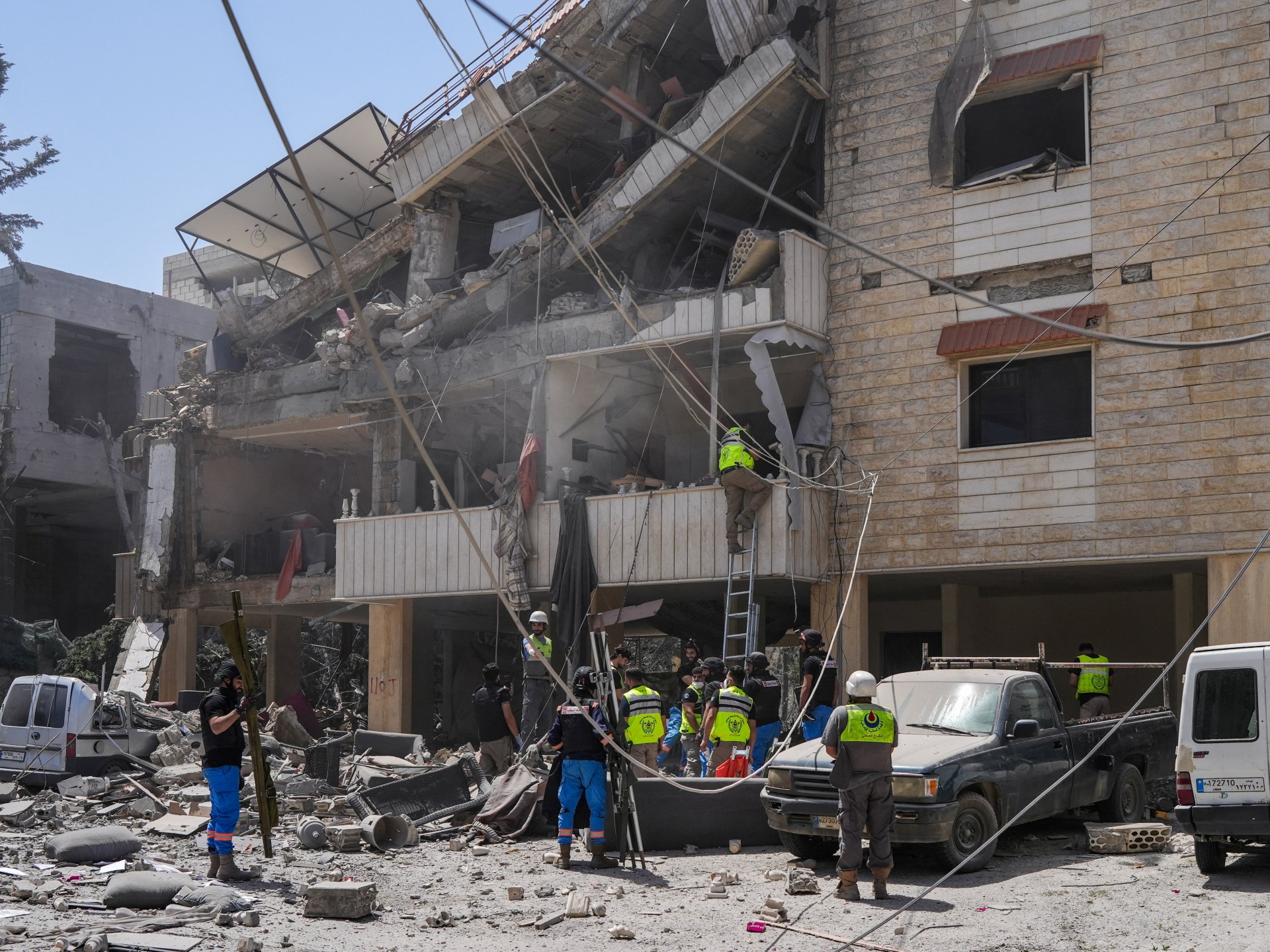

The ongoing escalation of Israeli strikes in southern Lebanon underscores the precarious stability of the Middle East and North Africa (MENA) region, with profound implications for sovereign capital flows, venture capital investment, and regional infrastructure development. The forced displacement threats targeting nine Lebanese towns, coupled with direct attacks on civilian and humanitarian assets, have further strained Lebanon’s already fragile economy. As Israel’s military rhetoric intensifies amid the unresolved ceasefire extension, the region risks deeper economic fragmentation, deterring foreign capital inflows and exacerbating sovereign debt vulnerabilities. Lebanon’s capital outflows, exacerbated by the crisis, are poised to deepen its balance-of-payments deficit, while regional investors may adopt a wait-and-see approach ahead of tentative U.S.-sponsored peace talks set for Washington. This volatility threatens to derail Lebanon’s fragile debt restructuring efforts, with spillover risks for neighboring economies reliant on bilateral aid and regional infrastructure connectivity.
From a sovereign capital perspective, the conflict underscores Lebanon’s precarious position as a test case for Middle East economic resilience. With debt exceeding 220% of GDP and a banking sector paralyzed by liquidity crises, the displacement of over a million people has intensified fiscal pressure on public services. Sovereign wealth funds in the Gulf, already cautious about direct equity investments in Lebanon, may redirect focus toward stabilization bonds or regional multilateral instruments to mitigate fallout from spillover risks. Meanwhile, the U.S. mediation efforts could signal renewed political commitment to regional architectural reforms, potentially easing capital controls in Lebanon. However, the immediate priority for MENA policymakers remains crisis management—balancing humanitarian aid against debt sustainability amid rising costs of conflict.
Venture capital ecosystems in the broader MENA region face systemic headwinds amid the escalation. Lebanon’s nascent fintech and agritech sectors, previously buoyed by diaspora investment, now grapple with talent drainage and operational disruptions. The psychological toll on startups, compounded by uncertainty over border stability, risks stifling innovation hubs like Beirut’s Silal incubator. Conversely, conflict may spur niche opportunities in security technology and logistics infrastructure, particularly in countries prioritizing defense R&D. Gulf-based VCs, however, are likely to adopt a defensive posture, shifting focus to non-conflict-affected markets such as Egypt’s tech corridor or Saudi Arabia’s NEOM. The absence of a durable ceasefire could further delay regional VC alliances aiming to consolidate MENA startup ecosystems.
Infrastructure degradation in southern Lebanon also highlights systemic weaknesses in the region’s cross-border connectivity projects. The strikes on civil defense teams and healthcare facilities directly undermine Lebanon’s role as a critical transit corridor for goods between the Levant and the Mediterranean. Any renewed cutoff of trade routes, exacerbated by Hezbollah’s operational disruptions, could reverse recent gains in reducing transshipment costs for Gulf shippers. Meanwhile, reconstruction efforts—if initiated—will demand collaboration between Arab Gulf states, the EU, and international institutions, potentially setting precedents for post-conflict resilience planning. However, the shadow of unresolved geopolitical rivalries threatens to delay projects like the Beirut-Damascus highway extension, underscoring the region’s enduring reliance on fragile security architectures for economic cohesion.