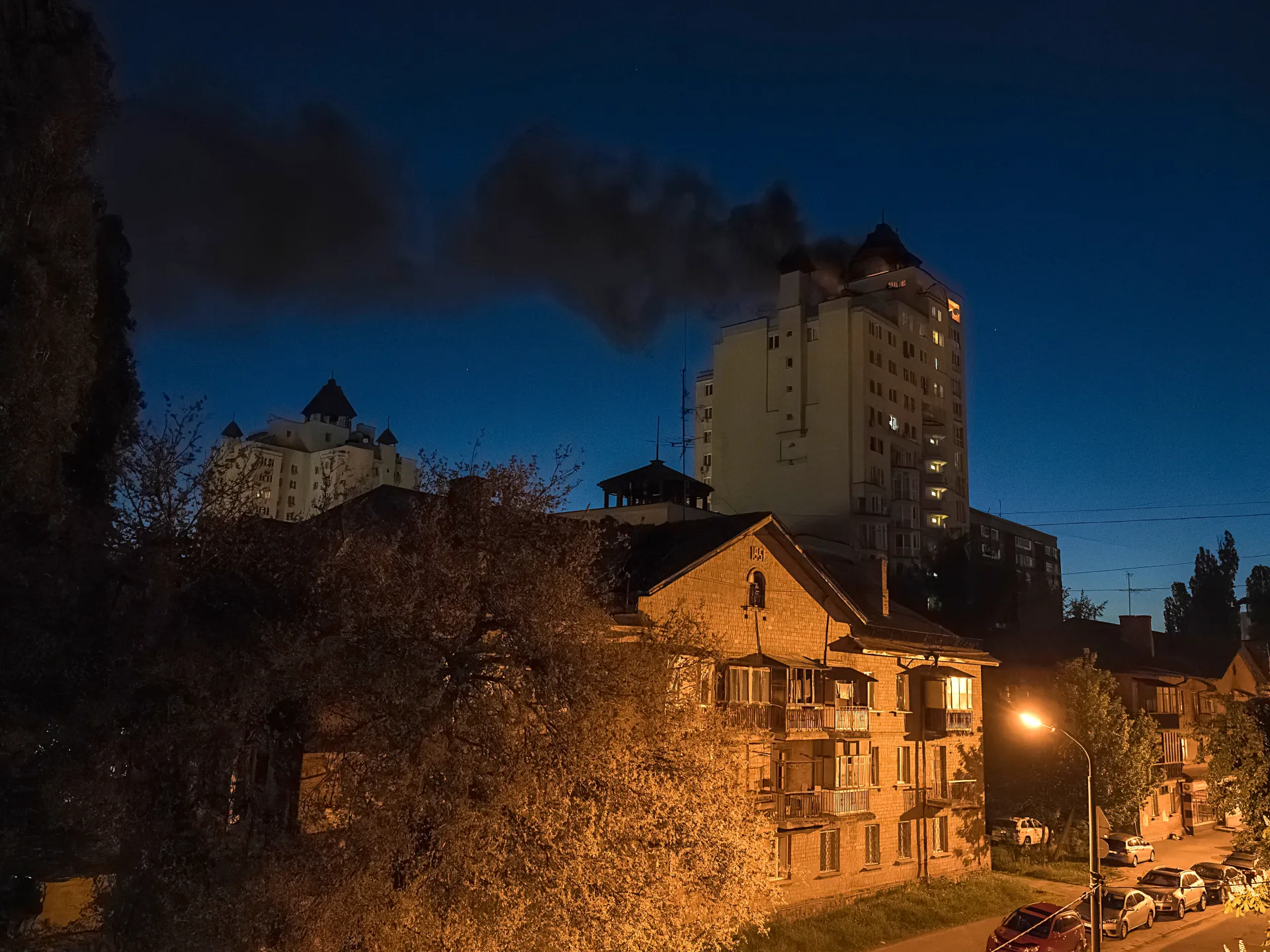

The collapse of the 72-hour U.S.-brokered truce between Russia and Ukraine—preceded by over 200 drone strikes on Ukrainian energy and civilian infrastructure—signals that any near-term de-escalation remains hostage to strategic posturing rather than substantive negotiation. For the MENA region, the reverberations are immediate and structural: oil and gas price volatility resumes, Russian crude flows through Eastern Mediterranean arbitrage channels reassert themselves, and sovereign wealth funds across the GCC face renewed pressure on portfolio allocation models built around assumed European energy diversification. Gulf states that had begun redirecting fiscal surpluses toward Ukrainian reconstruction and grain corridor financing are now recalibrating risk exposure, with Abu Dhabi and Riyadh’s investment arms likely accelerating pivot toward domestic industrialization plays to insulate against another front opening in global commodity markets.
The broader implication for MENA venture capital is equally pronounced. European defense-tech and dual-use infrastructure startups that had attracted Gulf LP interest on the premise of post-conflict reconstruction demand are now pricing in extended timelines, forcing fund managers in Dubai, Doha, and Cairo to double down on regionally rooted sectors—digital sovereignty, energy transition hardware, and autonomous logistics—where macro tailwinds are decoupled from Eastern European theater dynamics. The truce’s failure also underscores a hardening geopolitical reality: Washington’s strategic bandwidth is fractured between Ukraine, Iran, and Indo-Pacific competition, meaning Middle Eastern sovereign capital will increasingly operate as an independent power center rather than a derivative of American alignment.
Regionally, the infrastructure calculus shifts. Egypt’s Suez Canal and Saudi Arabia’s NEOM megaproject—both pitched to global investors as de-risked alternatives to European supply chains—gain further strategic premium as shippers and commodity traders seek rerouted corridors away from contested airspace and Black Sea chokepoints. The UAE’s diversification narrative, already the cornerstone of its post-oil economic architecture, gains empirical weight as global risk models penalize concentration in traditional energy corridors. What the truce’s expiration confirms is not merely a military reality but an investment one: the MENA region’s centrality to the next cycle of sovereign capital deployment is accelerating, and institutions that fail to position accordingly will find themselves priced out of the asset class that now defines the decade.