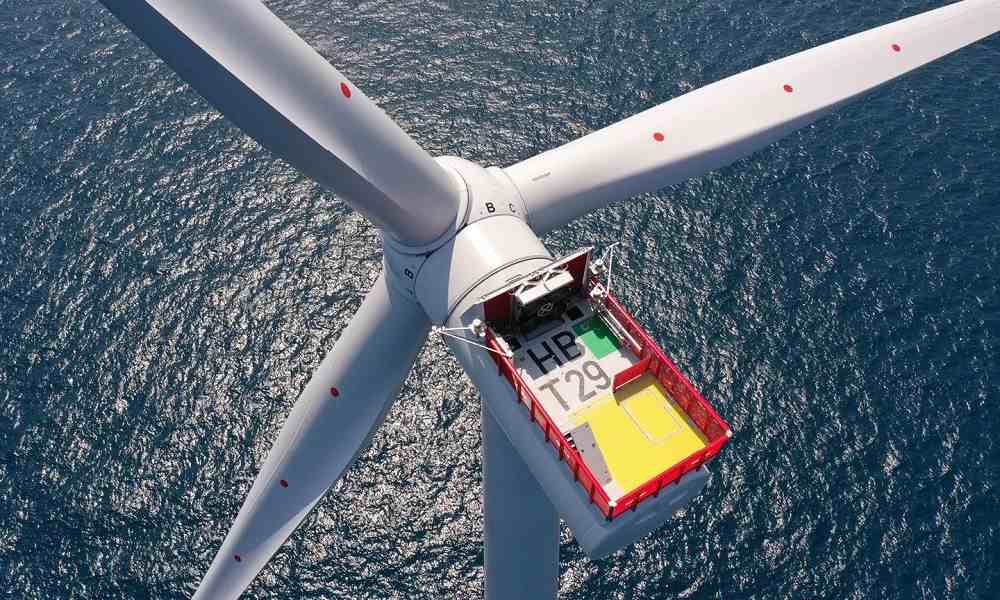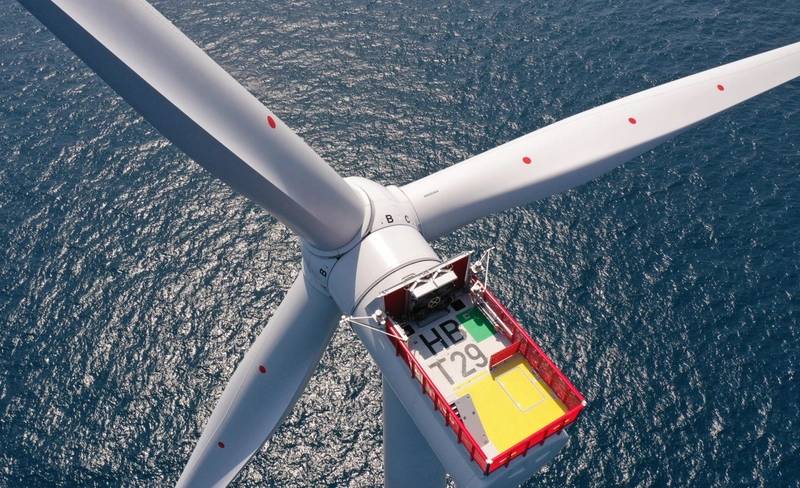

Mubadala Investment Company’s $325 million commitment to Ørsted’s Hornsea 3 offshore wind project signals a calculated pivot by Gulf sovereign wealth toward strategic infrastructure exposure in Europe’s energy transition. The investment, made alongside Apollo Funds, positions Abu Dhabi’s $284 billion sovereign vehicle at the forefront of North Sea wind development, where Hornsea 3 will deliver 2.9 GW of capacity by 2028—powering roughly 3 million UK households. This transaction underscores how MENA sovereign capital is increasingly targeting yield-generating, long-duration assets that align with global decarbonization mandates while providing stable returns uncorrelated to hydrocarbon markets.
The deal reflects a broader recalibration of regional infrastructure strategy, where sovereign investors are leveraging their balance sheets to gain footholds in critical Western energy assets. Mubadala’s participation comes as Apollo completed its $6.1 billion acquisition of a 50% stake in Hornsea 3, creating a partnership structure that allows Ørsted to maintain operational control while de-risking capital allocation. This consortium model has become emblematic of how Gulf capital is partnering with institutional investors to access premium European infrastructure, particularly assets underpinned by government-backed renewable energy auctions and long-term power purchase agreements.
For MENA policymakers, such investments carry significant implications beyond financial returns. The commitment directly supports regional data center expansion and industrial electrification objectives, sectors projected to drive power demand growth rates exceeding 7% annually across Gulf states. As sovereign wealth funds restructure portfolios toward sustainable infrastructure, transactions like Hornsea 3 establish precedent for cross-border capital flows that could catalyze domestic renewable energy development and grid modernization initiatives throughout the region. The investment also strengthens relationships between MENA capital and European energy majors, potentially unlocking future collaboration opportunities in emerging markets.
The Hornsea complex, which will collectively exceed 5 GW when combined with earlier phases, represents infrastructure scale that MENA economies are only beginning to contemplate. Regional utilities and sovereign investors are closely monitoring such developments as blueprints for mega-project execution and financing structures. With Gulf nations committing $500 billion to clean energy projects by 2030, the technical expertise and operational knowledge transfer from North Sea developments could prove instrumental in accelerating local offshore wind programs, particularly UAE’s ambitious 19 GW renewable capacity targets that will require substantial institutional backing and international partnership frameworks.