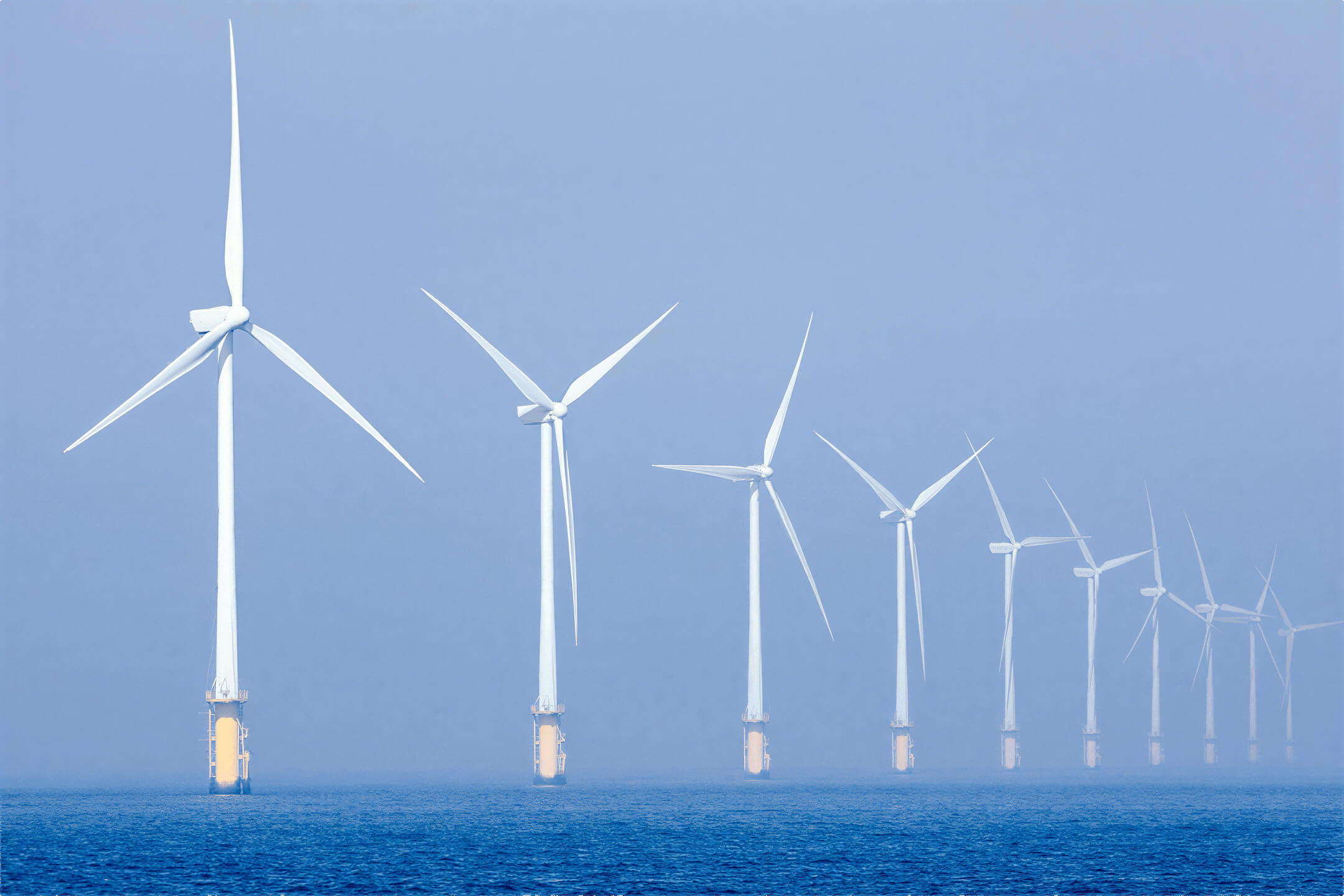
Ørsted’s announcement of Hornsea 3 — a 2.9GW offshore wind installation set to power over 3.3 million UK homes — underscores the accelerating scale of sovereign-backed renewable infrastructure in frontier markets. For MENA sovereign wealth funds, the transaction is instructive: it demonstrates that gigawatt-scale offshore wind now commands the institutional credibility and credit structures once reserved for oil and gas supermajors. Mubadala’s participation through its EMEA infrastructure mandate signals that Abu Dhabi’s capital deployment strategy is no longer confined to traditional hydrocarbons diversification but is actively positioning itself alongside European state-backed utilities in blue-chip clean energy assets.
Karim El Jazzar’s framing of Hornsea 3 as a critical node in expanding generation capacity is particularly relevant to the Gulf states, where electricity demand is growing at rates that outpace domestic supply planning. The UAE, Saudi Arabia, and Egypt are each deploying sovereign capital into renewable energy — through Masdar, ACWA Power, and the Egyptian photovoltaic pipeline — but the scale and contractual sophistication of the UK’s offshore wind framework remains the benchmark they aspire to. The Hornsea zone’s third gigawatt-scale asset is essentially proof of concept that sovereign capital can anchor projects of this magnitude with bankable revenue structures.
From a regional infrastructure standpoint, the MENA corridor lacks the deepwater port, grid interconnection, and maritime logistics ecosystem that makes clusters like Hornsea viable, but the capital architecture is transferable. Gulf VCs and sovereign venture arms are increasingly co-investing alongside European developers on greenfield renewable projects across North Africa and the Levant, betting that the regulatory precedents being set in the North Sea will compress deployment timelines in markets where solar and wind capacity factors are superior. The strategic implication is clear: the capital that once flowed exclusively into upstream oil projects is now migrating into energy infrastructure of a fundamentally different order, and the Gulf sovereigns sitting at the table are playing to win on both sides of that transition.