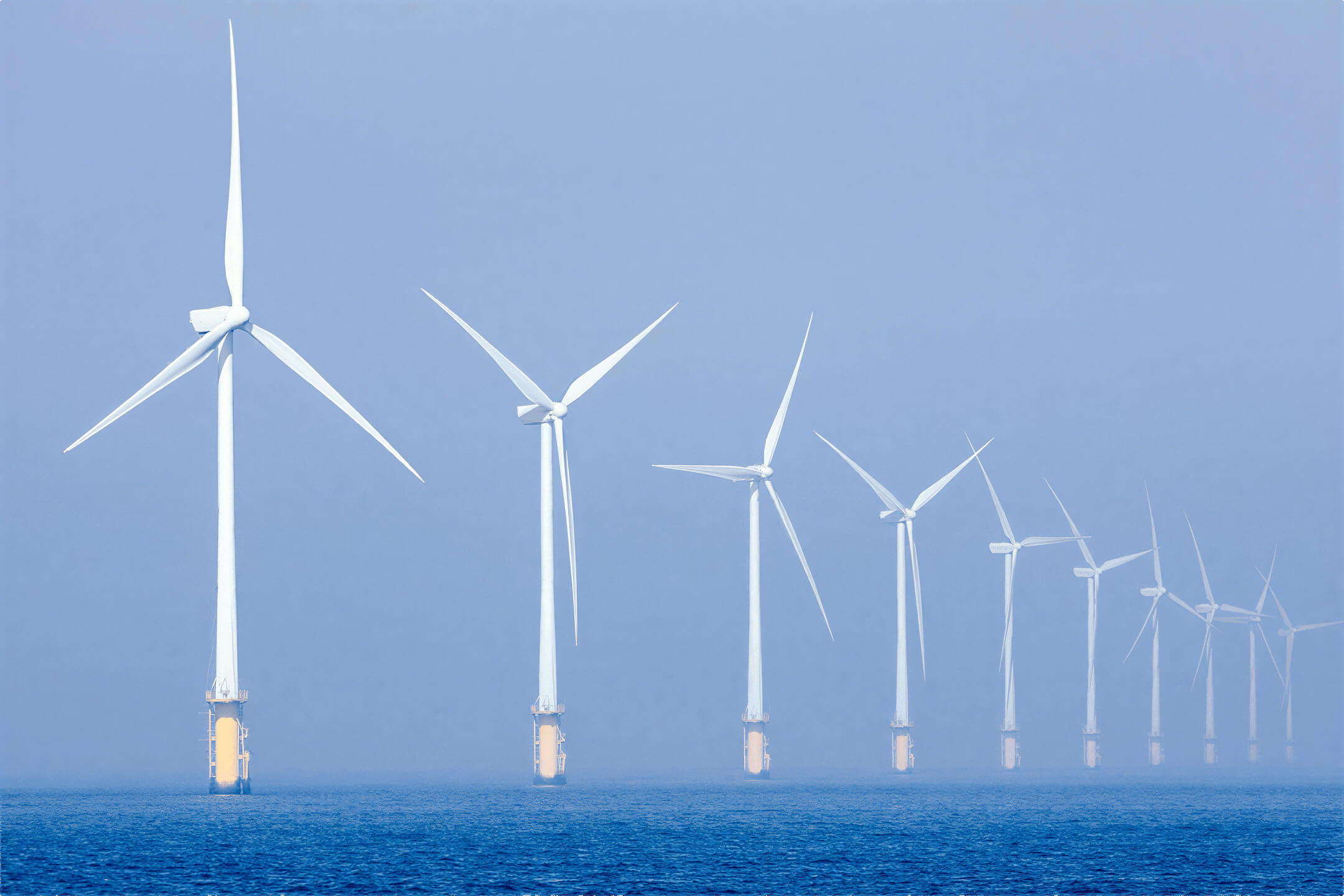

Mubadala Investment Company’s $325 million equity commitment to Ørsted’s Hornsea 3 offshore wind development marks a decisive infusion of sovereign capital into one of Europe’s most advanced renewable infrastructure pipelines. The transaction, executed alongside Apollo Global Management’s consortium—including USS and La Caisse—underscores the strategic convergence of a $200 billion sovereign wealth fund with leading private‑equity and pension‑fund partners to secure a 50 % stake in the joint‑venture vehicle. This structure not only provides Ørsted with the depth of balance‑sheet support required for a 2.9 GW, $8 billion project but also validates a replicable model for leveraging sovereign liquidity to de‑risk large‑scale clean‑energy assets.
The Hornsea 3 investment amplifies the United Kingdom’s offshore wind ambition of up to 50 GW by 2030, a target underpinned by soaring electricity demand projected to more than double by 2060 across residential, transport, and digital sectors. By allocating capital to such megaprojects, sovereign investors like Mubadala are effectively channeling long‑term, low‑cost financing into a market traditionally dominated by incremental private equity and project‑level debt. The deal illustrates how sovereign capital can absorb early‑stage risk, thereby accelerating the deployment of generation capacity that would otherwise be constrained by capital market volatility and regulatory uncertainty.
Beyond the UK, the Hornsea 3 transaction serves as a strategic template for the Middle East and North Africa (MENA), where sovereign wealth funds are increasingly seeking to diversify away from hydrocarbon exposure while catalysing domestic clean‑energy ecosystems. The partnership model—combining sovereign equity, institutional debt, and experienced project developers—offers a blueprint for scaling renewable infrastructure in regions such as Saudi Arabia’s Red Sea ambitions, the UAE’s Net‑Zero 2050 agenda, and Egypt’s burgeoning solar and wind corridors. Knowledge transfer, technology licensing, and joint‑venture structuring with global firms like Ørsted and Apollo can accelerate MENA’s transition toward a high‑value, export‑oriented green energy sector.
From an investment‑strategy perspective, the Hornsea 3 financing exemplifies how sovereign capital can synergise with private‑equity and pension‑fund partners to create robust, long‑dated infrastructure assets that deliver both strategic national objectives and attractive risk‑adjusted returns. As global renewable capacity expands, sovereign investors positioned to orchestrate such alliances will increasingly dictate the pace of the energy transition, shaping the next generation of megaprojects across MENA and beyond.