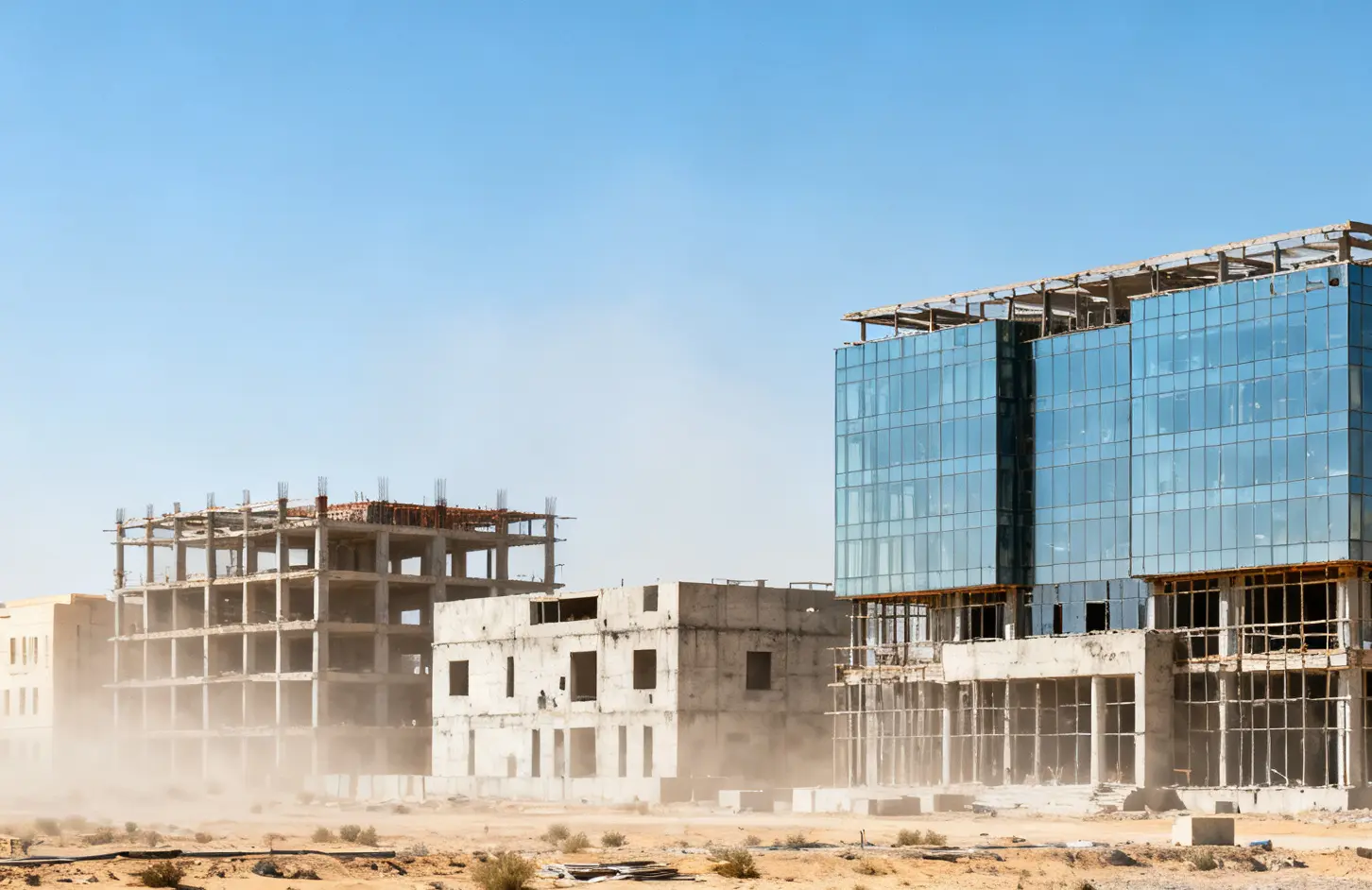

Saudi Arabia’s real estate sector is undergoing transformative restructuring under Vision 2030, with reforms poised to reshape the Gulf’s economic landscape and attract institutional capital. The Kingdom’s removal of lease-based restrictions and introduction of 100% foreign ownership in designated zones—spanning Riyadh, Jeddah, and the Eastern Province—represents a departure from traditional models reliant on localized markets and oil revenue. By enabling direct property acquisition, the government aims to accelerate GDP contribution from real estate to over 10% by 2030, leveraging sovereign initiatives like Premium Residency to catalyze foreign capital inflows. These reforms align with broader efforts to diversify the economy, reduce reliance on oil, and position real estate as a linchpin for private sector employment growth, with urbanization rates projected to surge from 84% to 90% by 2030.
Sovereign capital and institutional investors are set to drive market consolidation, particularly in Riyadh’s $1 trillion infrastructure pipeline and Jeddah’s tourism-centric masterplans. The Real Estate General Authority’s (REGA) oversight framework and off-plan sales programs aim to institutionalize transparency, mitigating risks to attract global Funds of Funds and REITs. Saudi Aramco’s expansion into renewables and industrial hubs further underscores the private sector’s growing influence, with its workforce housing demands and renewable energy partnerships directly stimulating secondary markets in Khobar and Al-Ahsa. However, early-stage liquidity constraints and regulatory variability—exemplified by developer discrepancies in completion rates—remain hurdles for foreign entrants. Rental yields (4-7%) and capital appreciation forecasts (25-35% for Riyadh/Jeddah by 2030) mirror Southeast Asian markets, yet Saudi Arabia’s scale of sovereign-backed projects tips risk-return profiles in its favor compared to Dubai’s mature infrastructure.
The venture capital sector will play a pivotal role in scaling smaller-scale developments and tech-driven construction innovations, particularly in mixed-use communities like Amara Diriyah and Trump Plaza Jeddah. With demand for expatriate housing rising 8-10% annually in Riyadh and Dubai-style tourism hubs making Jeddah a regional gateway, VC-backed developers face opportunities in logistics, smart-city technologies, and co-living spaces. Yet, government data reveals foreign buyers remain marginal at 4% of transactions, signaling persistent challenges in branding Saudi Arabia as a secure, long-term investment destination amid evolving REGA/Wafi certifications. Looking ahead, projections of 5% annual appreciation in residential and commercial sectors to 2035 hinge on sustained public spending and private-sector job creation from Vision 2030’s non-oil sectors. For regional investors, success will require navigating phased regulatory shifts and anchoring strategies to Aramco’s offshore linkages and Gulf-wide tourism economies.