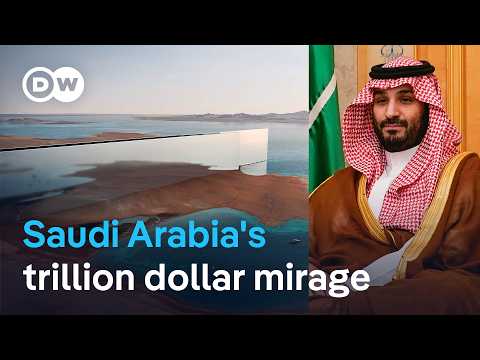

The scaling back of Saudi Arabia’s mega-projects under Vision 2030 signals a significant pivot in the Kingdom’s economic trajectory, driven by acute sovereign capital pressures as the closure of the Strait of Hormuz cripples oil exports and widens fiscal deficits. This strategic retreat directly impacts the regional business ecosystem, forcing a reassessment of reliance on state-backed sovereign wealth fund (SWF) capital for non-oil diversification initiatives. The implications extend beyond Saudi borders, potentially stalling critical infrastructure projects across the Gulf Cooperation Council (GCC) states that depend on Riyadh’s leadership and capital deployment for regional integration momentum.
The confluence of geopolitical risk and reduced hydrocarbon revenues severely dampens the MENA venture capital landscape, particularly sectors like advanced manufacturing and tourism central to Vision 2030. sovereign capital availability, once seemingly limitless, faces constraints, diverting potential investments from high-risk innovation towards shoring up core fiscal stability. This shift inevitably throttles regional VC activity, dampening the growth of regional tech hubs and the scaling of non-oil dependent enterprises, creating a drag on the broader diversification narrative across the Arab world.
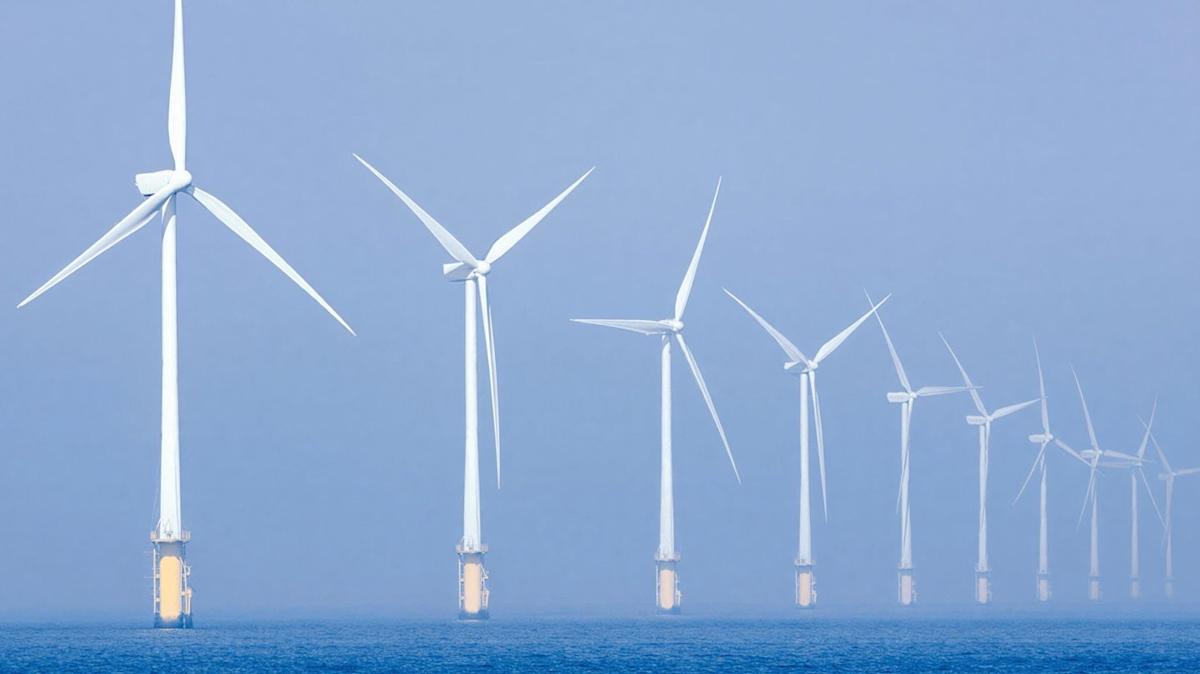
The reverberations threaten the foundational infrastructure required for a post-oil MENA economy, including digital connectivity, logistics networks, and renewable energy capacity. Riyadh’s scaling ambitions could trigger a regional recalibration, where sovereign capital prioritizes resilience over transformation. This dynamic underscores the critical vulnerability of the Gulf’s economic model to external shocks and necessitates a more resilient deployment of sovereign capital, potentially redirecting focus towards bolstering domestic markets and leveraging regional private capital pools to sustain essential infrastructure investments and mitigate systemic risks inherent in a hydrocarbon-dependent region.