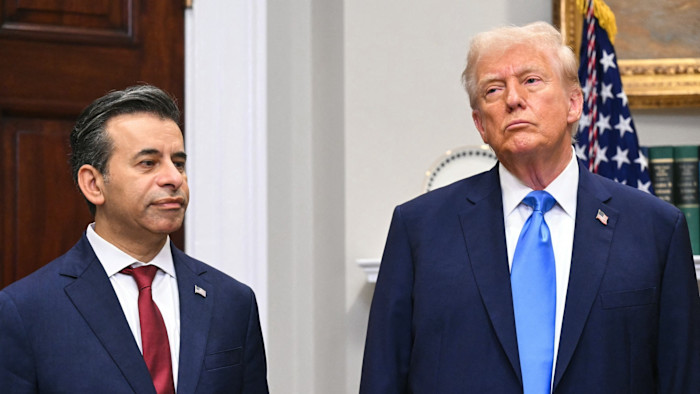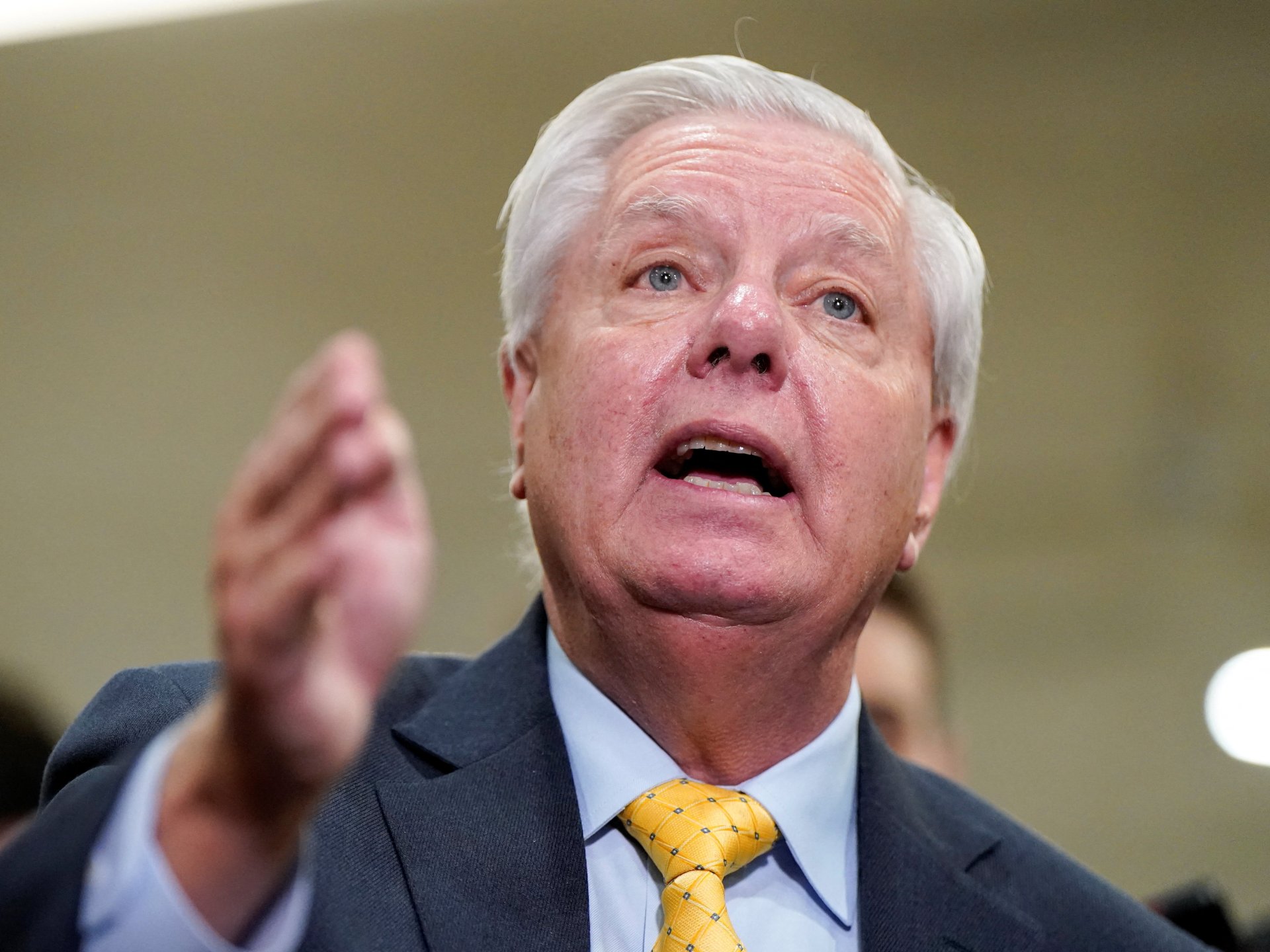

The discordant public messaging from Washington regarding Pakistan’s role as a mediator in US-Iran negotiations underscores a critical inflection point for sovereign capital deployment and strategic infrastructure planning across the Middle East. While former President Trump’s endorsement signals a transactional recognition of Pakistan’s unique leverage with Tehran, Senator Lindsey Graham’s hawkish skepticism reveals a potent congressional bloc that views any Pakistani facilitation of Iranian military shielding as a fundamental breach of trust. This schism directly impacts the risk premium assigned to Pakistani sovereignty and, by extension, the viability of any Gulf Cooperation Council (GCC) state investments that hinge on regional de-escalation. Sovereign wealth funds from the Gulf, already navigating a complex web of US security guarantees and Iranian deterrence, will recalibrate exposure pending clarity on whether Washington’s policy will be dictated by transactional realpolitik or ideological containment, with immediate consequences for financing flows into Pakistani and Iranian-adjacent energy and logistics corridors.
The implications for regional infrastructure are profound. Pakistan’s geographic position as a potential node in any Iran-US détente—or escalation—makes its stability a linchpin for China-Pakistan Economic Corridor (CPEC) viability and broader Belt and Road Initiative ambitions. A perceived tilt toward Iran could trigger accelerated US and Saudi efforts to develop alternative north-south transport routes, potentially boosting investment in Saudi Arabia’s Vision 2030 logistics projects and India’s Chabahar port, while sidelining Pakistani infrastructure from key connectivity gains. Conversely, a sustained US reliance on Pakistan would unlock potential for trilateral infrastructure financing involving Washington, Riyadh, and Islamabad, aimed at creating economic interdependencies to undergird any nuclear or regional security deal. Venture capital with a geopolitical hedge is already circling these scenarios, funding analytics firms and supply chain diversifiers that model outcomes based on the durability of Pakistan’s mediating role.
Ultimately, the intra-US spat crystallizes a broader MENA strategic dilemma: can regional stability be underwritten by a mediator perceived by Washington’s security establishment as compromised, or does this necessitate a complete overhaul of diplomatic architecture? For institutional investors and sovereign funds, this is not a peripheral political story but a core determinant of capital allocation. The path chosen will dictate whether hundreds of billions in projected energy infrastructure, from Gulf petrochemicals to Iranian gas pipelines, proceeds under a US-Pakistanian umbrella or fractures into competing, less-efficient blocs backed by disparate powers. The business impact is immediate: a freeze on greenfield cross-border projects in the Gulf and Central Asia until the mediator’s credibility is resolved, with venture capital shifting toward digital infrastructure and cybersecurity plays that mitigate physical corridor risks in an increasingly fragmented region.