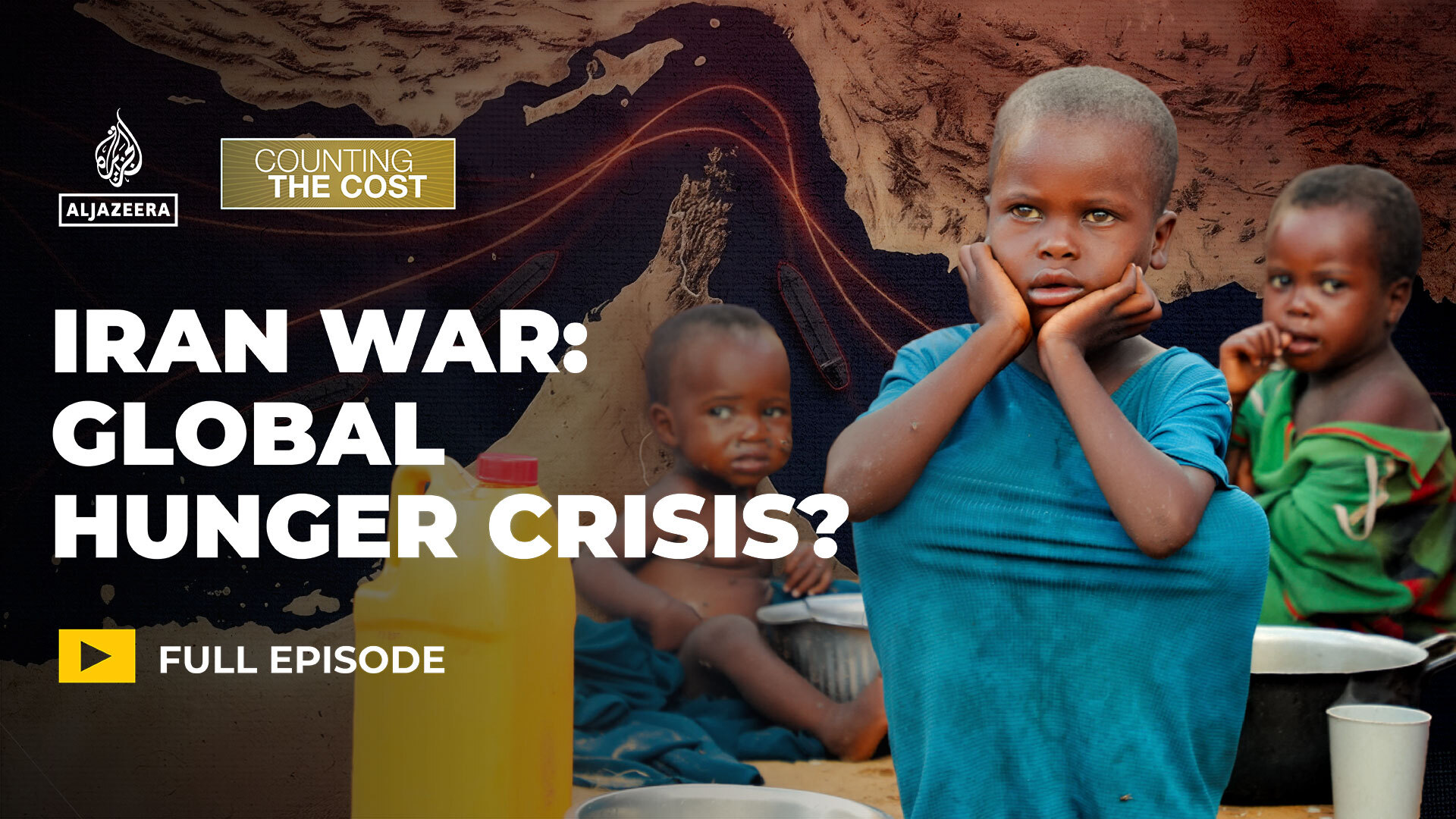

The geopolitical tensions in the Strait of Hormuz are poised to trigger a cascading financial crisis in the Middle East and North Africa (MENA), with profound implications for sovereign capital, venture capital (VC), and regional infrastructure. Disruptions to oil exports via this critical chokepoint—through which 20% of global crude passes—could reignite energy price volatility, destabilizing MENA economies reliant on hydrocarbon revenue. Sovereign capital is already under strain as oil-exporting states face eroded fiscal buffers amid declining output and increased military spending. This will exacerbate debt vulnerabilities, particularly for nations like Egypt and Algeria, which depend on external borrowing to finance budget shortfalls. The World Bank estimates that a 10% reduction in Hormuz throughput could elevate Gulf sovereign debt-to-GDP ratios by 3–5 percentage points, deepening dependencies on Gulf Cooperation Council (GCC) bailout mechanisms. Such fiscal stress will likely prompt stricter capital controls, deterring foreign direct investment and stifling Sovereign Wealth Fund reinvestment in strategic sectors.
The VC landscape in MENA stands at a critical juncture. While the region’s startup ecosystem benefits from young demographics and rising smartphone penetration, looming energy crises threaten its growth trajectory. A Hormuz blockade could amplify inflationary pressures, diverting government and corporate capital toward short-term energy and food security measures rather than long-term innovation. Furthermore, global investors are likely to withdraw from high-risk jurisdictions, tightening lending standards for hard-currency markets. However, prudent jurisdictions could emerge as regional hubs. The UAE, leveraging its sovereign wealth-backed infrastructure, may attract VC capital through initiatives like the $100 billion Carnival City megaproject, which integrates renewable energy and fintech. Conversely, states failing to pivot toward diversified infrastructure models risk capital outflows, undermining their ability to compete for ESG-focused investments.
Regional infrastructure development hinges on the stability of Hormuz. Key Port Salamis in Yemen and Qatar’s Ras Laffan LNG facility—European Union’s sole natural gas importer—rely on seamless maritime logistics. A protracted UAE-Iran confrontation could ignite a maritime arms race, diverting defense budgets from infrastructure. Conversely, it may catalyze regional infrastructure sovereignty, with GCC nations accelerating investments in alternative transit routes like the global navigation satellite system’s Serval 3.0 initiative or undersea cables bypassing Hormuz. Privatization of strategic ports, such as Bahrain’s Mina Salwa and Oman’s Mina Salalah, could unlock VC-backed modernization, enhancing connectivity with African and Asian trade partners. However, without coordinated fiscal and energy policies, infrastructure projects risk becoming stranded commercial assets amid escalating geopolitical and commodity risks.