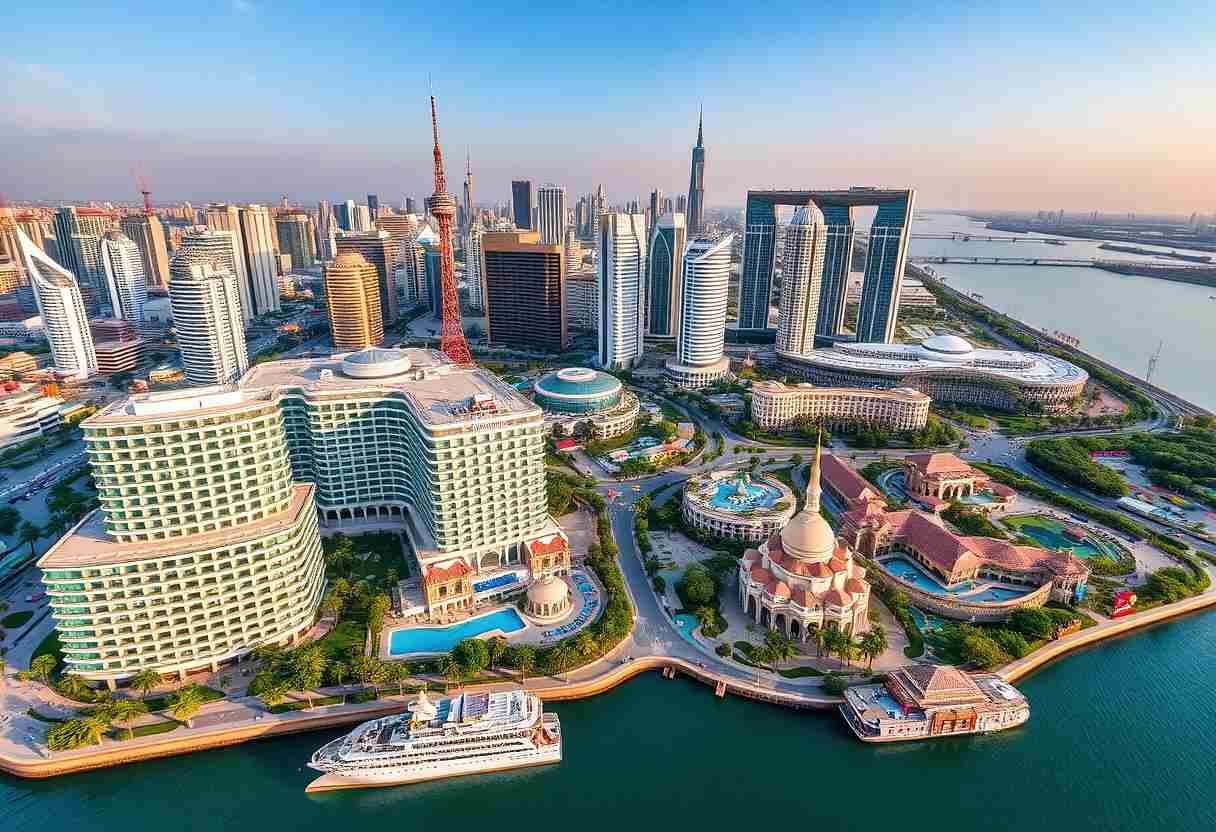

The Kingdom of Saudi Arabia’s accelerating bilateral engagement with Thailand on tourism and hospitality cooperation represents a strategically calibrated move to accelerate human capital and operational know-how transfer into one of the MENA region’s most consequential economic diversification programs. The May 13 meeting in Jeddah between the Makkah Chamber of Commerce and Thailand’s Consul General signals Riyadh’s intent to import proven hospitality management frameworks—particularly from a nation that has built a globally competitive tourism ecosystem—to service the Kingdom’s surging demand for accommodation and leisure infrastructure tied to Umrah, Hajj, and broader visitor economy expansion. For institutional investors tracking sovereign capital allocation across the GCC, this partnership underscores Saudi Arabia’s determination to move beyond hydrocarbon dependency by positioning Mecca, Medina, and Riyadh as tier-one global destinations capable of sustaining year-round tourism flows.
From a sovereign capital deployment perspective, the Saudi-Thailand corridor opens meaningful channels for joint venture formation between Thai hospitality operators and Saudi investment vehicles, particularly as the Kingdom’s Giga-projects—including NEOM, the Red Sea Development, and Diriyah Gate—require an estimated hundreds of billions of dollars in hospitality and ancillary infrastructure over the coming decade. Thailand’s established competency in luxury hotel management, resort operations, and supply chain logistics provides a template that Saudi entities can replicate at scale, reducing execution risk on projects that are central to Vision 2030’s target of raising tourism’s GDP contribution substantially. Venture capital and private equity players with exposure to MENA hospitality should note that these bilateral frameworks frequently precede concrete deal flow, particularly in management contracts, franchise agreements, and equity participation structures that allow GCC sovereign wealth to access operational expertise without protracted organic buildout.
The implications for regional infrastructure investment are equally significant. Makkah’s ongoing transformation into an integrated tourism and logistics hub—encompassing airport expansions, transport corridor development, and mixed-use hospitality districts—requires the kind of end-to-end project execution capability that Thailand’s tourism sector has refined over decades. As Saudi Arabia liberalizes visa regimes and expands entertainment and cultural offerings under Vision 2030, the demand for internationally branded hospitality assets in western Saudi Arabia alone represents a capital deployment opportunity that dwarfs current pipeline. Broader MENA markets, including the UAE and Egypt, will face competitive pressure as Saudi Arabia consolidates its position as the region’s primary destination for both religious and leisure tourism, with bilateral partnerships of this nature serving as force multipliers for sovereign-backed development agendas across the Gulf.