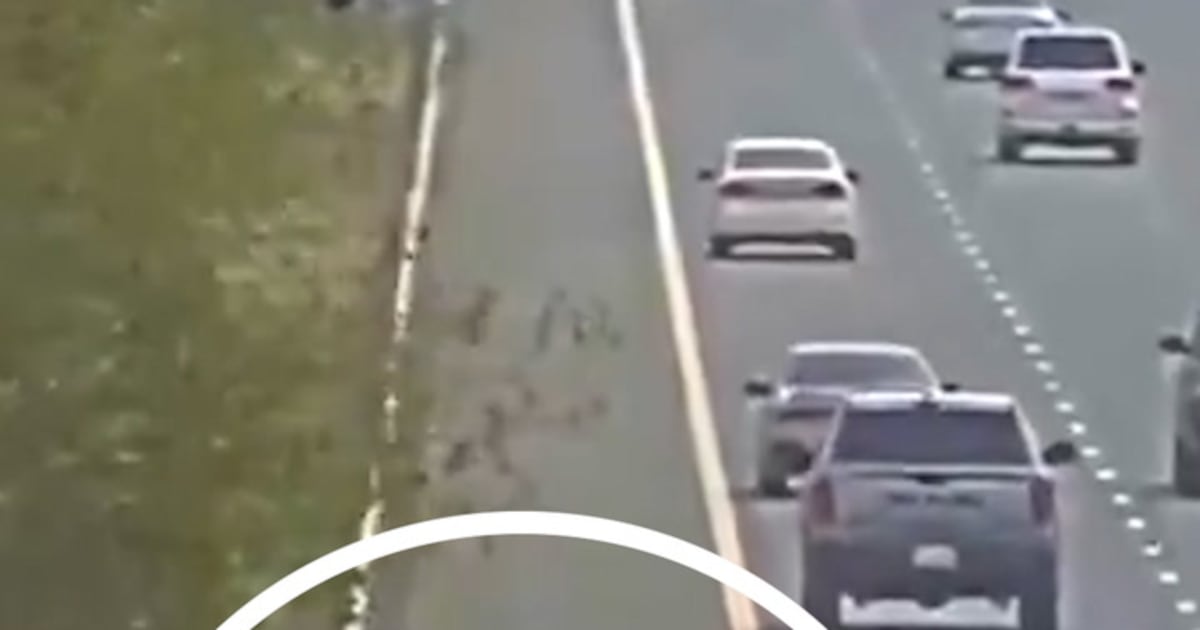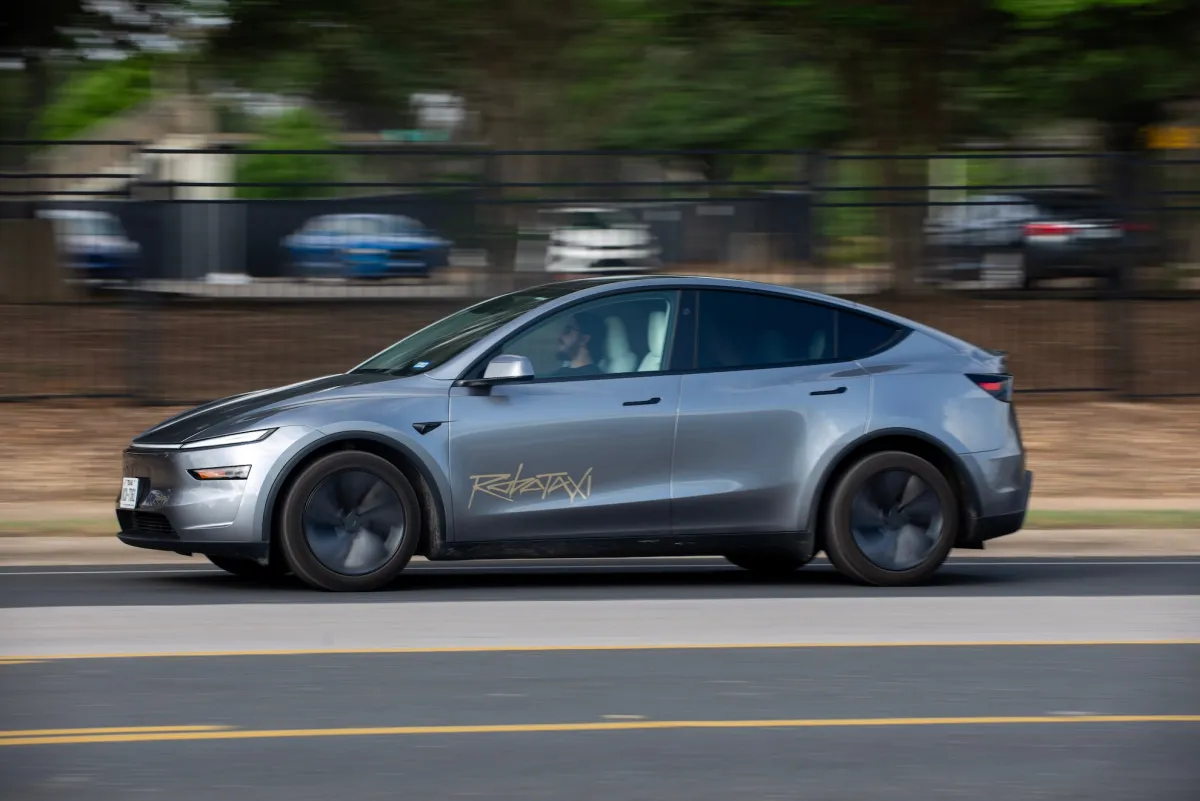

The unredacted crash data filed by Tesla with NHTSA reveals critical operational risks in the company’s nascent robotaxi network, with two low-speed collisions in Austin occurring while human teleoperators were remotely controlling the vehicles. For sovereign wealth funds in the MENA region — notably the Public Investment Fund (PIF), Mubadala, and Qatar Investment Authority — which have deployed significant capital into autonomous mobility as a cornerstone of their smart-city and diversification strategies, these incidents underscore a fundamental bottleneck: the reliance on remote human intervention undermines the scalability and safety case required for large-scale fleet deployment. Tesla’s own admission that teleoperators are limited to speeds under 10 mph to move vehicles from “compromising positions” suggests the system lacks robust edge-case autonomy, a liability that will likely influence due diligence on future capital allocations.
From a venture capital perspective, the data points to a widening divergence in technological readiness between Tesla and established operators like Waymo and Zoox. While Tesla has reported only 17 crashes since 2024 at a fraction of the fleet size, each incident involving teleoperator error or environmental misinterpretation erodes confidence in the company’s “vision-only” approach. MENA-focused VC funds, which have flowed heavily into mobility tech — including local startups such as Derq, Oxa (formerly Oxbotica), and AI-driven logistics — will pay close attention to the regulatory response. The need for dedicated teleoperation infrastructure, including low-latency communication networks and dedicated remote control centers, now emerges as a prerequisite for safe operation. This creates a new investment vertical within the region’s digital infrastructure, one that Gulf states can potentially catalyze through state-backed procurement and regulatory sandboxes.
The implications for regional infrastructure are twofold. First, any large-scale robotaxi deployment in cities like Riyadh, Dubai, or Abu Dhabi will require not only vehicle-to-everything (V2X) connectivity but also purpose-built teleoperation hubs, potentially supplied by local technology partners. Second, sovereign sponsors of mega-projects such as NEOM or Dubai’s Autonomous Mobility Strategy must reassess timelines: Tesla’s cautious scaling — acknowledged by Elon Musk as being constrained by safety verification — suggests that fully autonomous, remotely supervised fleets remain years away from commercial viability in dense urban environments. This opens a window for competitors that can demonstrate safer teleoperation protocols or higher levels of automation, and for regional regulators to set standards that could attract or deter foreign operators. For now, every teleoperator-driven crash in Austin serves as a risk-data point for sovereign balance sheets betting on a driverless future.