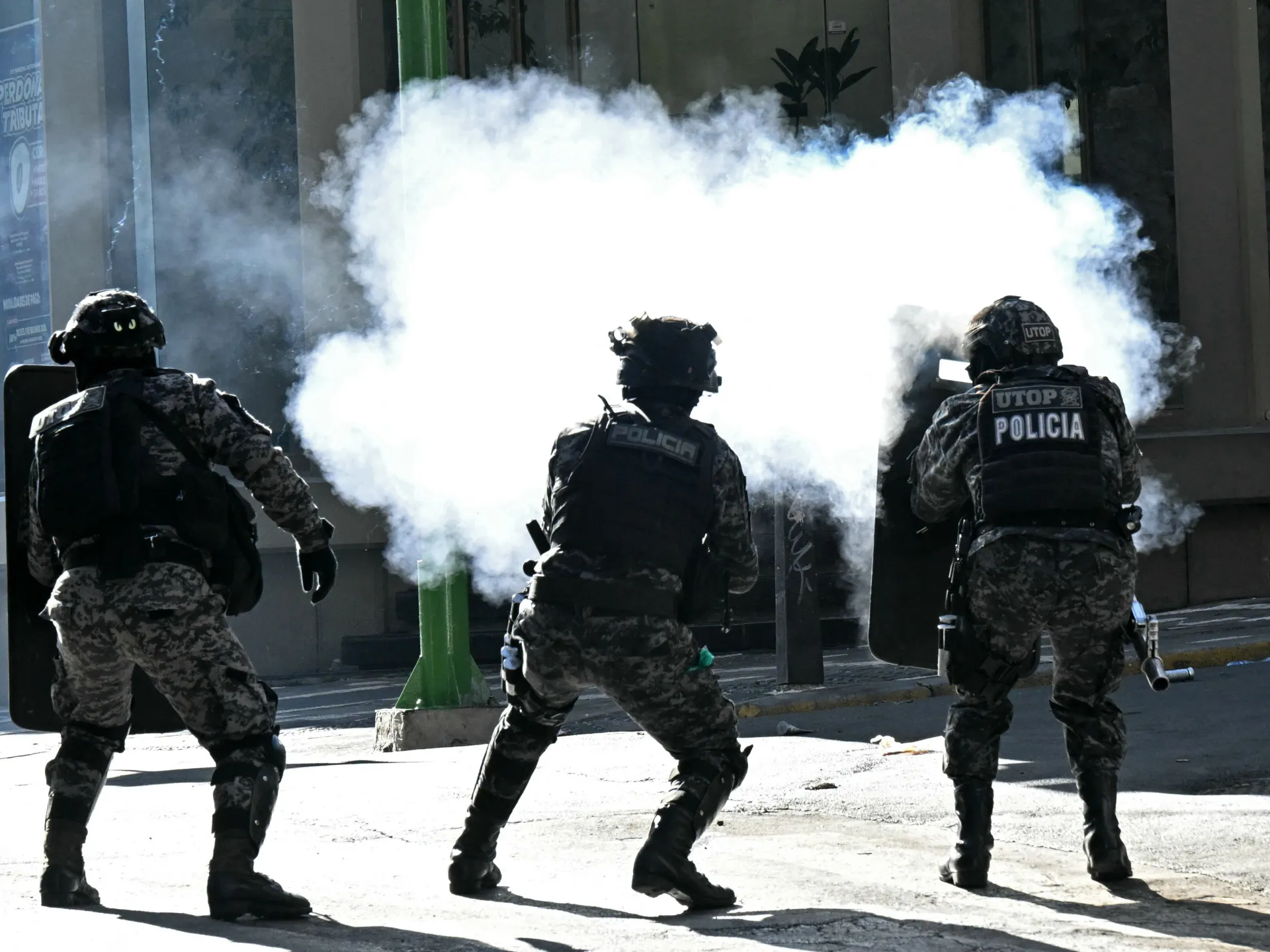

Bolivia’s escalating unrest, triggered by miners and rural unions demanding the resignation of President Rodrigo Paz, has rapidly deepened a crisis that is now reverberating across the MENA region’s sovereign capital markets. The country’s once‑robust natural‑gas export sector has contracted dramatically, forcing it to become a net importer of oil and gas and leaving it vulnerable to a painful currency depletion cycle. The accompanying hyper‑inflation and supply shortages have eroded consumer confidence and undermined the stability that external investors had come to rely on when Bolivian sovereign bonds were viewed as “cheap” debt with high liquidity.
This volatility is prompting a reassessment of the risk profile of volatile resource‑dependent economies—an assessment that is particularly salient for MENA actors. Political uncertainty in Bolivia has accelerated a global reevaluation of debt‑imitation strategies for emerging markets, pushing financial institutions to tighten credit on countries that exhibit both fiscal fragility and social unrest. As sovereign credit ratings for Bolivia have already slipped, regional banks are poised to adjust their exposure to similar economies, potentially forcing a shift towards more diversified portfolios and increased demand for hedging instruments within the Gulf‑coast capital markets.
From the venture‑capital perspective, the turmoil underscores the need for stronger governance and transparent regulatory frameworks—critically important for any MENA‑based tech‑infrastructure investors eyeing secondary markets. The collapse of local utilities and public services has illustrated the fragility of “back‑country” supply chains for critical digital and energy infrastructure. Investors will now need to embed resilience into their due‑diligence processes, favoring companies that demonstrate robustness against political and resource shocks. Technologies that facilitate decentralized energy, digitized supply‑chain management, and real‑time resource monitoring are poised to receive heightened capital allocation, as both public and private entities seek to shore up infrastructure resilience.
The confluence of political gridlock, shrinking sovereign revenue, and a volatile investor sentiment is urging MENA policymakers to collaborate on frameworks that shield both sovereign capital and venture ecosystems from contagion. Regional initiatives that promote cross‑border infrastructure projects—such as the GCC Digital Agenda and the African Continental Free Trade Area—will need to incorporate risk‑sharing mechanisms. By institutionalizing shared risk pools and establishing contingency funds for infrastructure projects, Gulf and North African states can preserve the integrity of their capital markets while maintaining a forward‑looking stance toward high‑potential, yet inherently risky, resource‑dependent economies like Bolivia.