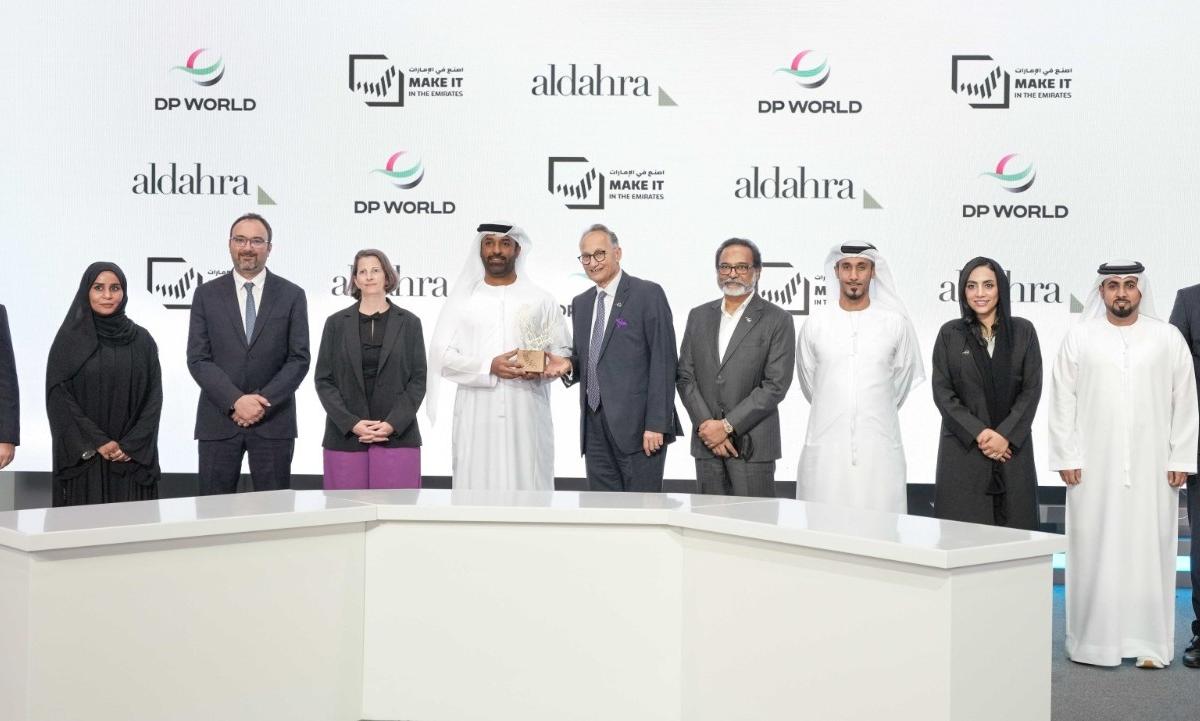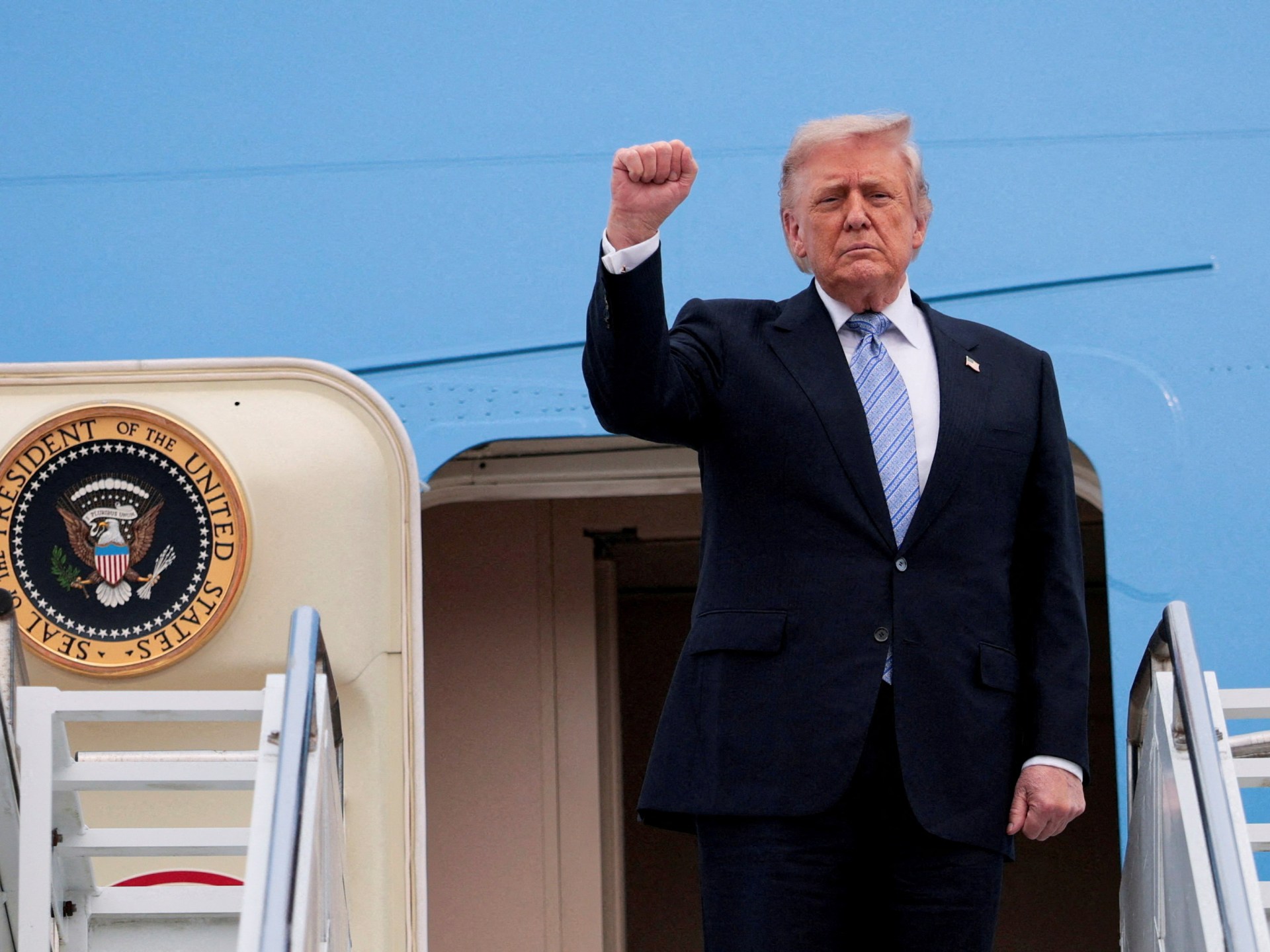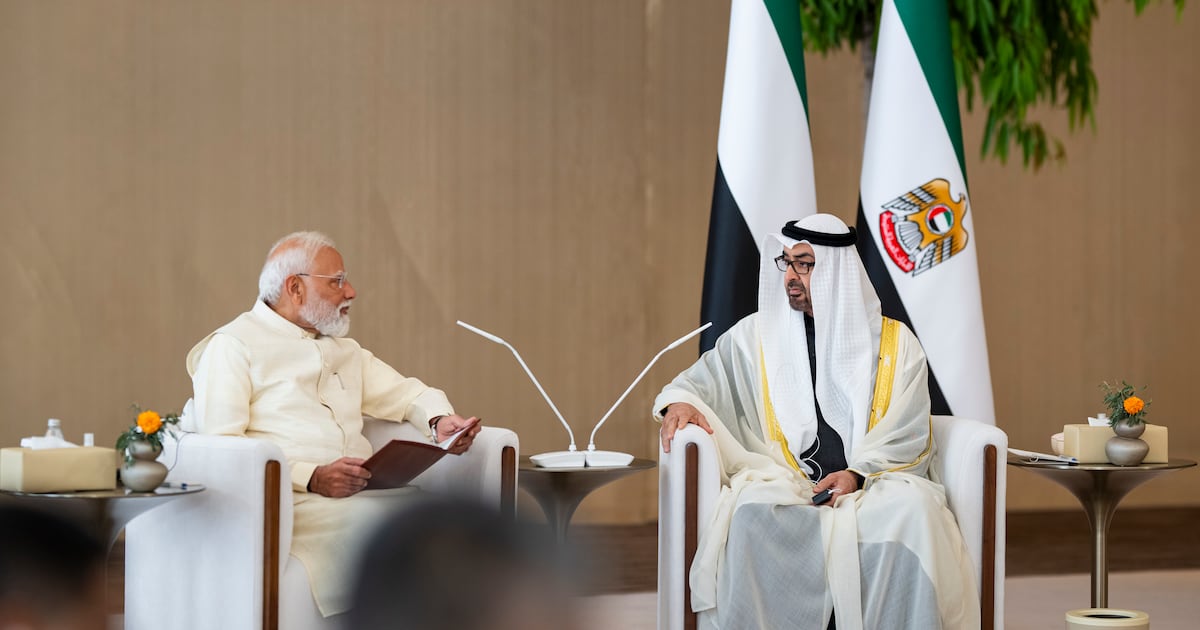

The recent high-level summit between UAE President Sheikh Mohamed and Indian Prime Minister Narendra Modi underscores acute fiscal and strategic vulnerabilities in the Middle East and North Africa (MENA) amid escalating Iran-UAE tensions. The deliberate targeting of UAE energy infrastructure by Iran—coupled with the near-total closure of the strategically vital Strait of Hormuz—poses catastrophic risks to sovereign capital reserves across the Gulf. Energy markets, already strained by global demand shifts, face further disruption, threatening the UAE’s $500 billion+ sovereign fund and regional peers reliant on hydrocarbon exports. This crisis necessitates urgent sovereign diversification strategies, with MENA states accelerating investments in non-oil sectors such as advanced manufacturing and renewables. Venture capital flows, typically robust in the region’s tech and AI ecosystems, could face redirection toward resilience-focused ventures, as governments prioritize energy security and supply chain localization. The UAE-India partnership, formalized through expanded economic ties, may serve as a counterweight, redirecting capital flows toward alternative energy corridors and tech innovation hubs.
The intersection of sovereign capital management and regional infrastructure strains will define MENA’s economic trajectory in the near term. India’s focus on energy cooperation during the visit highlights MENA’s dependency on external energy assurances amid Iran’s destabilizing tactics. Sovereign wealth funds in the UAE and Gulf Cooperation Council (GCC) nations may increasingly divert capital toward strategic energy diversification projects, including desalination hubs, hydrogen infrastructure, and hybrid renewable grids. Venture capital ecosystems, though historically robust, could see a pivot toward regionalized solutions—such as cybersecurity for energy grids or fintech platforms mitigating geopolitical risk—as macroeconomic volatility disrupts traditional investment flows. The UAE’s nascent tech corridors, exemplified by Masdar City’s AI initiatives, may attract redirected foreign capital if regional stability persists. However, the ongoing conflict risks exacerbating capital flight, particularly from smaller Gulf states lacking equivalent sovereign buffers, amplifying MENA’s existing infrastructure deficits.
Long-term regional stability hinges on MENA’s ability to decouple economic growth from episodic geopolitical shocks, a challenge amplified by Iran’s reliance on asymmetric warfare. The UAE-India alliance, framed as a counter to Iranian aggression, signals a strategic realignment of sovereign capital toward geopolitical hedging. This could manifest in cross-border infrastructure projects—such as energy-linked smart grids or logistics hubs—that bypass traditional chokepoints like the Strait of Hormuz. Regional infrastructure gaps, particularly in energy storage and digital connectivity, will emerge as critical levers for economic resilience. Venture capital’s role in funding these initiatives may expand, with foreign firms increasingly compelled to localize investments to access the region’s vast markets. Yet, sustained conflict could lead to fragmented capital allocation, with sovereign entities favoring short-term survival over long-term innovation. The UAE’s experience in balancing regional tensions while fostering tech growth will serve as a pivotal case study for MENA’s broader economic strategy in an increasingly volatile era.