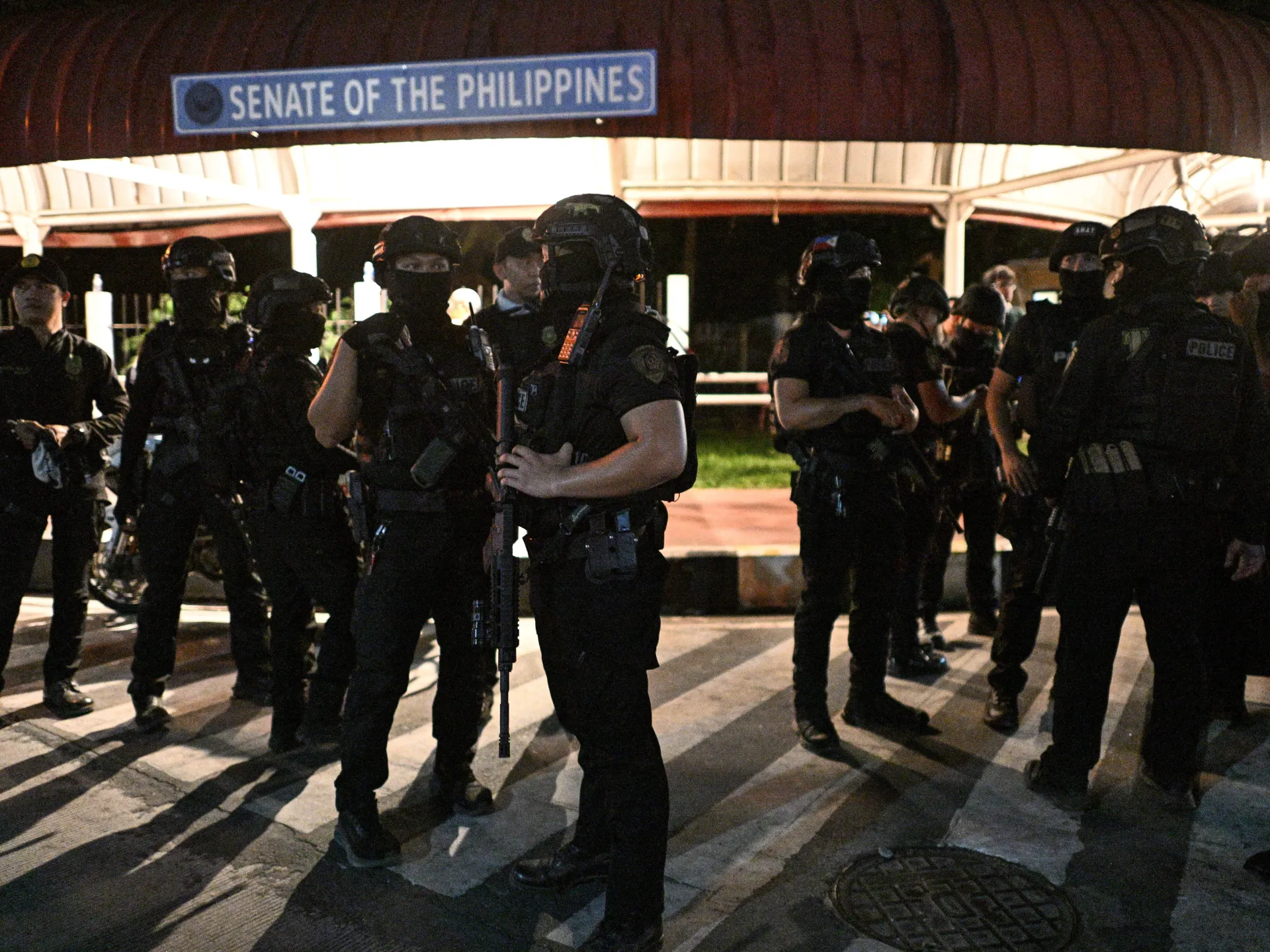

The unfolding international legal drama surrounding a Southeast Asian political figure serves as a stark reminder of the volatile intersection between sovereign authority and international jurisprudence, a dynamic with profound and immediate repercussions for capital allocation across the Middle East and North Africa. For investors and sovereign wealth funds navigating the region, the principle of ‘risk’ now extends beyond traditional metrics of political stability and into the realm of personal legal liability for state actors. This escalation in personal accountability for former security officials directly correlates with heightened due diligence costs and a recalibration of country risk premiums, particularly in states where the separation between state policy and individual conduct remains ambiguous. The precedent reinforces a global trend where international legal mechanisms can swiftly immobilise assets and disrupt governance, creating an environment where long-term infrastructure commitments and venture capital deployment into politically exposed sectors face renewed scrutiny.
The implications for regional venture capital are particularly acute. Capital that once flowed with relative confidence into growth-stage technology and logistics ventures, often underpinned by implicit state guarantees or connections, is now subject to a more forensic examination of the ultimate beneficial ownership and the political risk exposure of key personnel. General partners are increasingly mandating ‘governance overhang’ clauses in term sheets, while limited partners—especially those from jurisdictions with robust rule-of-law frameworks—are exerting pressure to de-risk portfolios. This chilling effect is most pronounced in sectors like fintech, security tech, and data infrastructure, where historical ties to state security apparatuses were once viewed as a competitive advantage rather than a potential legal encumbrance. The result is a compression of valuations and a strategic pivot towards jurisdictions within the MENA region that demonstrate clearer institutional firewalls between the state and commercial enterprise.
On the sovereign capital front, the episode underscores the critical importance of credible, predictable legal frameworks for maintaining access to international debt and equity markets. Nations in the region seeking to issue Eurobonds or attract direct foreign investment must now contend with the possibility that actions taken by former officials—even those acting under prior administrations—can trigger sustained international legal and reputational consequences. This dynamic elevates the strategic value of transparent transitional justice mechanisms and robust constitutional courts, which serve not merely as domestic checks but as vital tools for preserving sovereign financial credibility. For the Gulf Cooperation Council states and North African economies alike, the lesson is unequivocal: the long-term cost of opaque governance can manifest as a punitive risk premium that stifles infrastructure development and deters the very foreign direct investment essential for economic diversification.
Ultimately, the regional infrastructure agenda—from giga-projects in Saudi Arabia and the UAE to renewable energy corridors in North Africa—faces a new layer of geopolitical due diligence. International consortiums and development finance institutions are re-evaluating partnership structures, demanding greater personal indemnification from state entities, and in some cases, withdrawing from projects where the legal liability of former regime affiliates remains unresolved. This is not a transient market sentiment but a structural shift in the global capital allocation paradigm. For the MENA region to maintain its competitive edge in attracting patient, long-term capital, it must proactively align its domestic legal processes with international accountability standards, thereby transforming a potential vulnerability into a demonstrable strength for institutional investors.