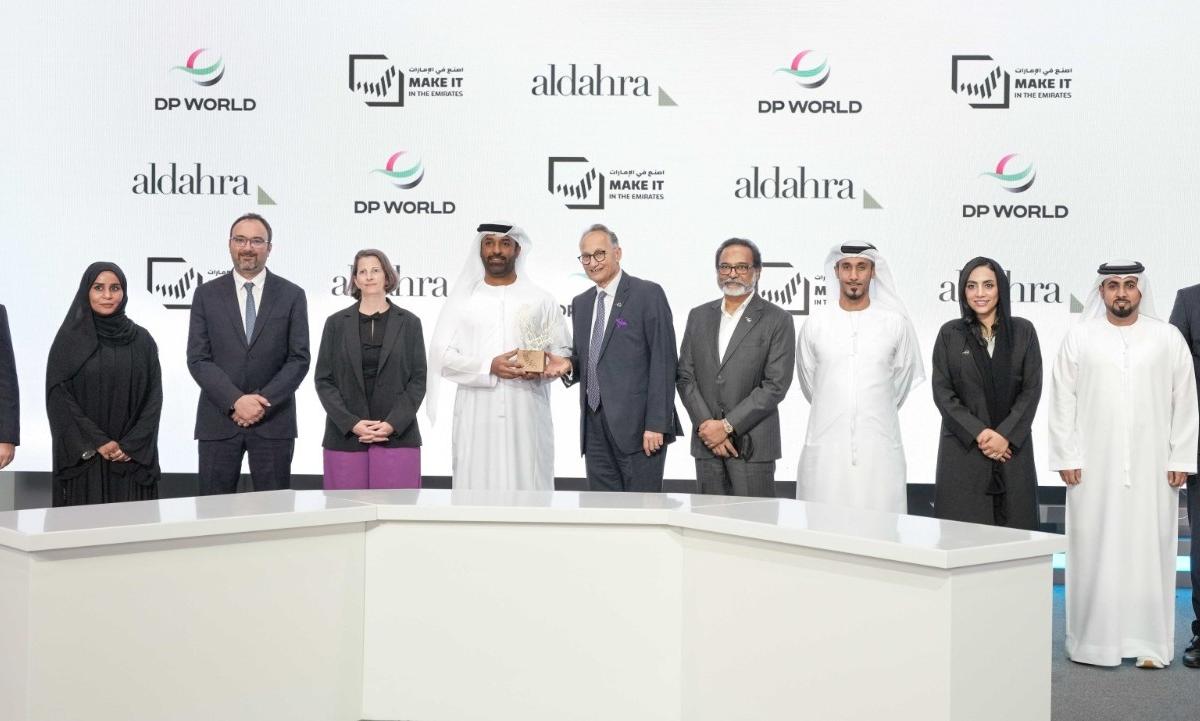

This pivotal collaboration between DP World and Al Dahra represents a strategic inflection point for MENA’s supply chain resilience and economic diversification imperatives. By integrating DP World’s global logistics expertise with Al Dahra’s agribusiness network, the partnership directly addresses the region’s acute vulnerability to food import dependency, particularly pronounced in GCC states where annual import ratios exceed 85%. The initiative signals a deliberate shift toward sovereign capital deployment in infrastructure that transcends traditional port and warehouse investments, targeting end-to-end control over agri-food value chains. This moves beyond mere transactional logistics to position the Middle East as a hub for securing value-added supply chain capabilities, with potential to capture market share from competing regional actors such as India and Turkey. The investment in cold chain infrastructure, free zone operations, and agri-food processing hubs represents a sovereign-driven attempt to reduce import expenditures while stimulating local value capture. For venture capital, this offers a blueprint for de-risking agricultural technology investments in semi-arid markets, where scalable cold storage and digital traceability solutions are critical for perishable goods. The alignment with GCC food security strategies further enhances its appeal to institutional investors seeking stable, long-term returns in a region undergoing rapid transformation.
The partnership’s emphasis on regional infrastructure implications underscores its geopolitical and economic significance. By expanding sourcing corridors across Africa, Eastern Europe, and the Americas, DP World and Al Dahra are effectively leveraging MENA’s strategic position as a nexus between continents to optimize cost and reliability. This mitigates geopolitical disruptions in traditional supply lines while capitalizing on emerging markets’ agricultural overcapacities. The focus on technology-enabled solutions—digital platforms for traceability, AI-driven logistics optimization—aligns with global ESG trends that prioritize transparent, sustainable supply chains. Crucially, this collaboration incentivizes sovereign financial resources to flow into physical infrastructure, a sector historically underdeveloped in many MENA states outside energy-required logistics. The development of dedicated hubs in Abu Dhabi and other GCC markets could catalyze cluster effects, where industrial parks and complementary service providers attract ancillary investments. This would lower the barrier for small-to-medium enterprises to participate in agri-food exports, thereby enhancing regional economic diversification metrics. However, the success of such infrastructure projects hinges on regulatory harmonization, particularly in food safety and customs processes, which remains a persistent challenge in the UAE and its neighbors.
From a venture capital perspective, the DP World-Al Dahra MOU offers a compelling case study in cross-sectoral aggregation of assets. While traditional VC funds have focused on fintech or digital services in MENA, this partnership signals a maturing interest in infra-tech ventures that combine logistics with agri-food innovation. The emphasis on digital platforms and traceability tools creates opportunities for smaller players to provide niche software or sensor-based monitoring solutions, potentially giving rise to a localized VC ecosystem focused on agri-tech adjacencies. Furthermore, the integration of Al Dahra’s Romanian farmland assets into a GCC-centric supply chain exemplifies a broader trend of foreign agricultural investments being anchored through regional logistics networks. This could attract cross-border VC funds targeting emerging markets, particularly as GCC nations formalize their food security agendas. However, the sector remains capital-intensive and sensitive to commodity price volatility, which may temper immediate VC inflows. The partnership’s long-term success will depend on demonstrating measurable improvements in supply chain efficiency metrics—a challenge given the logistical complexities of perishables and the region’s infrastructural gaps in cold storage capacity.