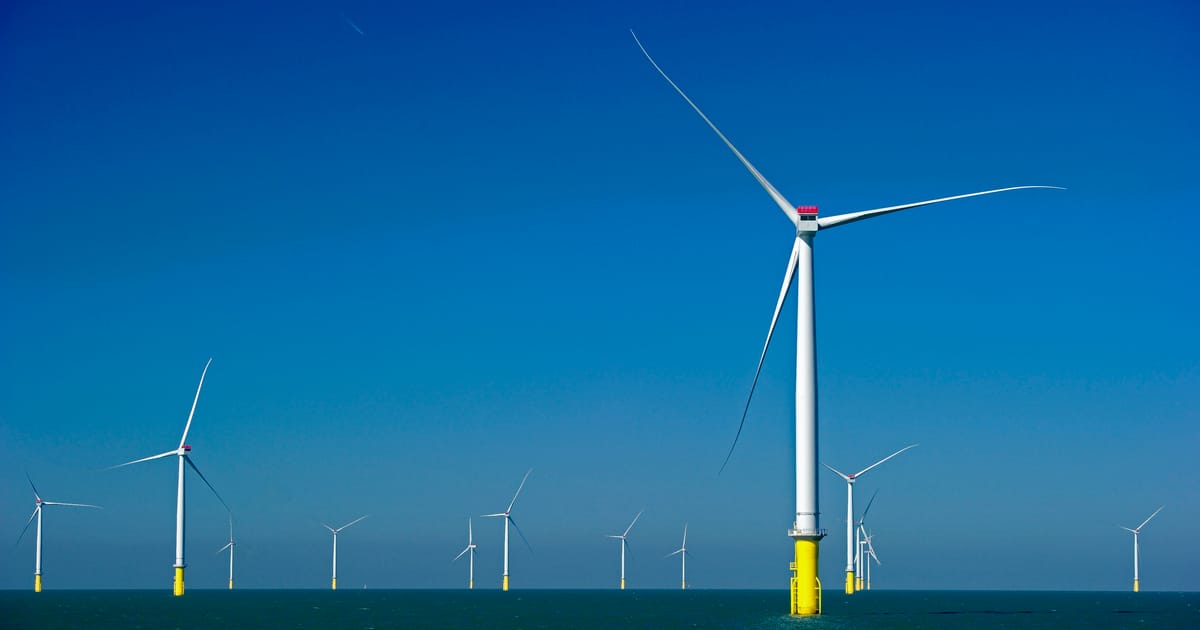

Additionally, Masdar, a UAE-based clean energy leader, and German energy giant RWE’s approval for the Dogger Bank South offshore wind farm signifies a strategic pivot by Gulf entities toward large-scale renewable infrastructure. This development, while rooted in the UK, carries profound implications for the MENA region, as it underscores the growing appetite for offshore wind as a cornerstone of energy diversification. Sovereign capitals in the Gulf, already pivotal in global energy transitions, are likely to accelerate investments in similar projects, leveraging proven frameworks to mitigate risks. For the MENA region, this sets a precedent for tapping into offshore wind, aligning with broader sustainability goals and potentially unlocking new avenues for corporate and institutional funding.
The project’s approval also signals a shift in venture capital dynamics, with MENA’s burgeoning VC ecosystem eyeing opportunities in renewable technologies. The success of Dogger Bank South could galvanize private equity and institutional investors in the region to fund startups or joint ventures focused on offshore wind, smart grid technologies, and energy storage. Sovereign wealth funds across the Gulf may follow suit, prioritizing long-term green investments that align with global ESG mandates. For MENA, this represents a window to attract foreign capital, particularly as global markets pivot toward decarbonization. However, the region must address regulatory and logistical hurdles to compete in this space, requiring targeted policy reforms and partnerships with foreign entities.
Regionally, the implications for infrastructure are substantial. Offshore wind projects demand robust grid infrastructure, specialized port facilities, and advanced logistics networks—areas where MENA could position itself as a hub. Countries with coastal access, such as the UAE or Morocco, may replicate the Dogger Bank model, necessitating massive investments in port modernization and grid expansion. This could catalyze regional cooperation, mirroring the BAHA initiative in the Gulf, to share R&D and financing. However, the success of such endeavors hinges on MENA’s ability to attract and retain talent, secure reliable financing, and navigate geopolitical complexities. The Dogger Bank South approval thus serves as both a blueprint and a challenge for the region’s energy future.