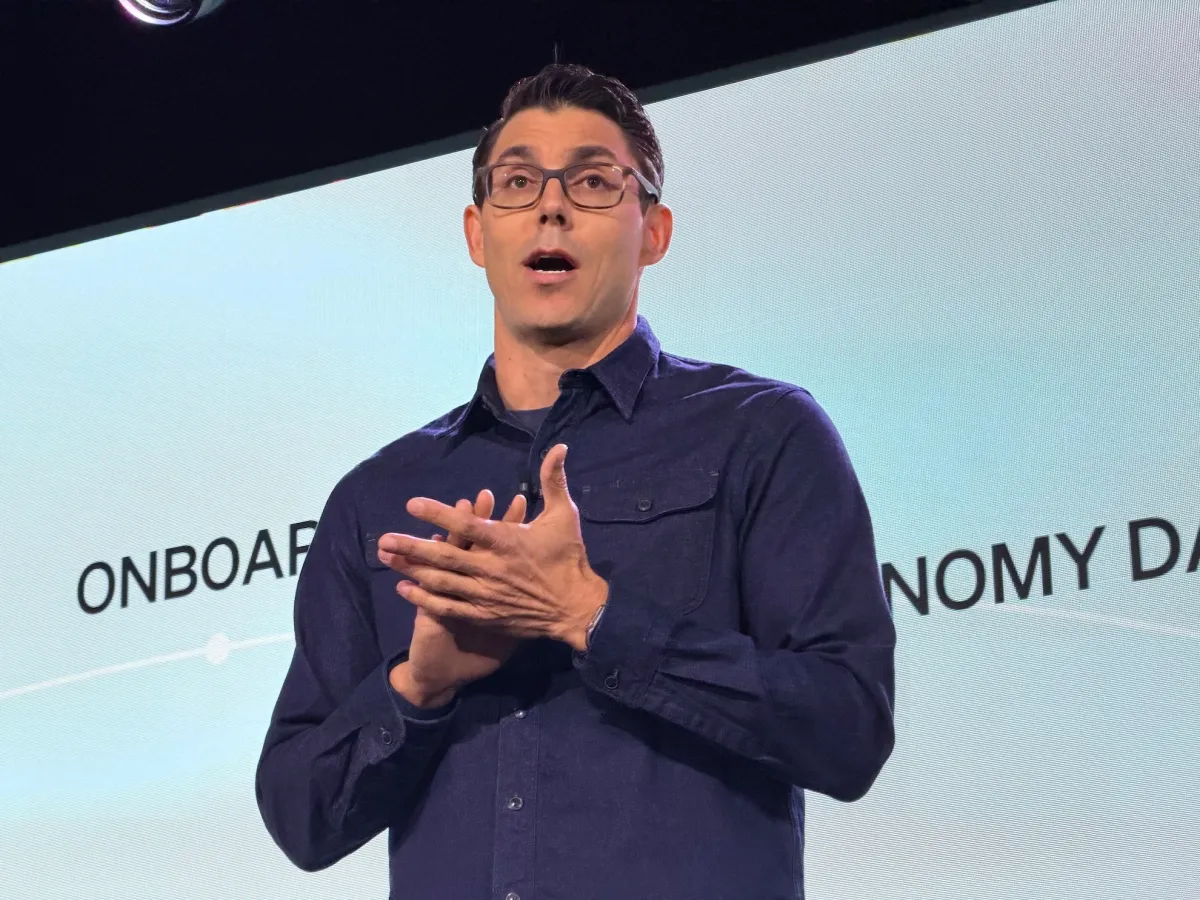

RJ Scaringe’s unprecedented capital mobilization—exceeding $12.3 billion across three ventures—represents a watershed moment for global innovation financing that carries profound implications for the Middle East and North Africa’s emergence as a strategic technology hub. His ability to secure staggering commitments for nascent ventures, from $105 million for electric micromobility player Also to $900 million for industrial AI robotics firm Mind Robotics within twelve months, underscores a fundamental shift in investor appetite for mission-critical infrastructure technologies. This capital trajectory resonated strongly with MENA’s sovereign wealth funds, which have collectively committed over $20 billion to artificial intelligence and autonomous systems investments since 2023, positioning the region as the second-largest global investor in foundational AI infrastructure after the United States.
The convergence of Scaringe’s ventures with regional transformation agendas is particularly resonant across the Gulf Cooperation Council states, where neurotechnology and autonomous logistics form cornerstones of economic diversification strategies. Saudi Arabia’s Public Investment Fund, through its $500 billion NEOM initiative, has allocated $15 billion specifically for autonomous mobility ecosystems, while UAE’s dedicated AI office has structured $3.2 billion in follow-on investments targeting robotics and micro-mobility solutions. These sovereign capital allocations directly parallel Scaringe’s technological architecture: Also’s last-mile delivery optimization aligns with GCC’s smart city mandates, whereas Mind Robotics’ industrial automation capabilities address the region’s critical need to retrofit existing petroleum infrastructure with autonomous maintenance systems capable of operating in extreme environments.
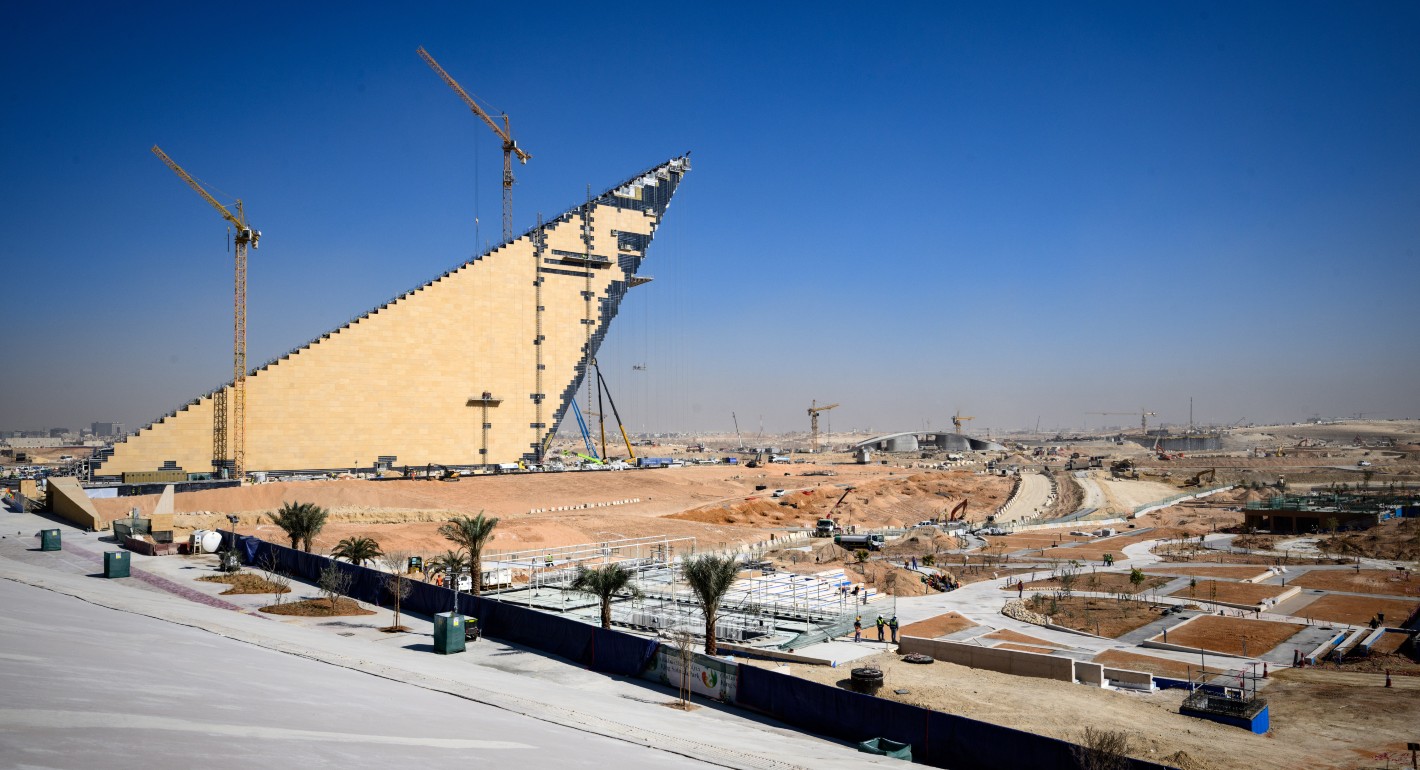
The venture capital dimension reveals even more compelling integration opportunities for MENA’s evolving investment landscape. Regional VC funds, led by Kuwait’s Mubadala Investment Company and Qatar’s Judiciary Department Investment Office, have increased seed-stage commitments to autonomous technology by 340 percent year-over-year, directly targeting the intersection of Scaringe’s portfolio companies and regional infrastructure imperatives. This capital flow is catalyzing unprecedented public-private partnership structures across Egypt’s New Administrative Capital and Morocco’s Mohammed VI Polytechnic University City, where sovereign-backed development agencies are deploying Scaringe-aligned technologies to create integrated logistics ecosystems spanning ports, industrial zones, and urban centers. The financing patterns suggest MENA’s institutional investors are effectively leveraging global Serial entrepreneur risk profiles to accelerate regional infrastructure modernization while securing preferential positioning in emerging autonomous economy value chains.
Looking forward, Scaringe’s capital efficiency model presents a blueprint for MENA’s next-generation sovereign investment strategies, particularly as regional funds navigate the transition from hydrocarbon-dependent growth to technology-enabled economic resilience. The UAE’s $10 billion AI and automation fund, launched earlier this year, explicitly mirrors Scaringe’s multi-sector approach, targeting cross-sector applications spanning transportation, energy, and manufacturing. However, the ultimate litmus test will be whether regional institutions can sustain multi-decade capital commitments through sector volatility—a challenge that Scaringe’s proven ability to separate compelling vision from personality may help resolve as MENA’s institutional investors increasingly view autonomous technology not as speculative opportunity, but as fundamental infrastructure requiring patient, strategic capital allocation.