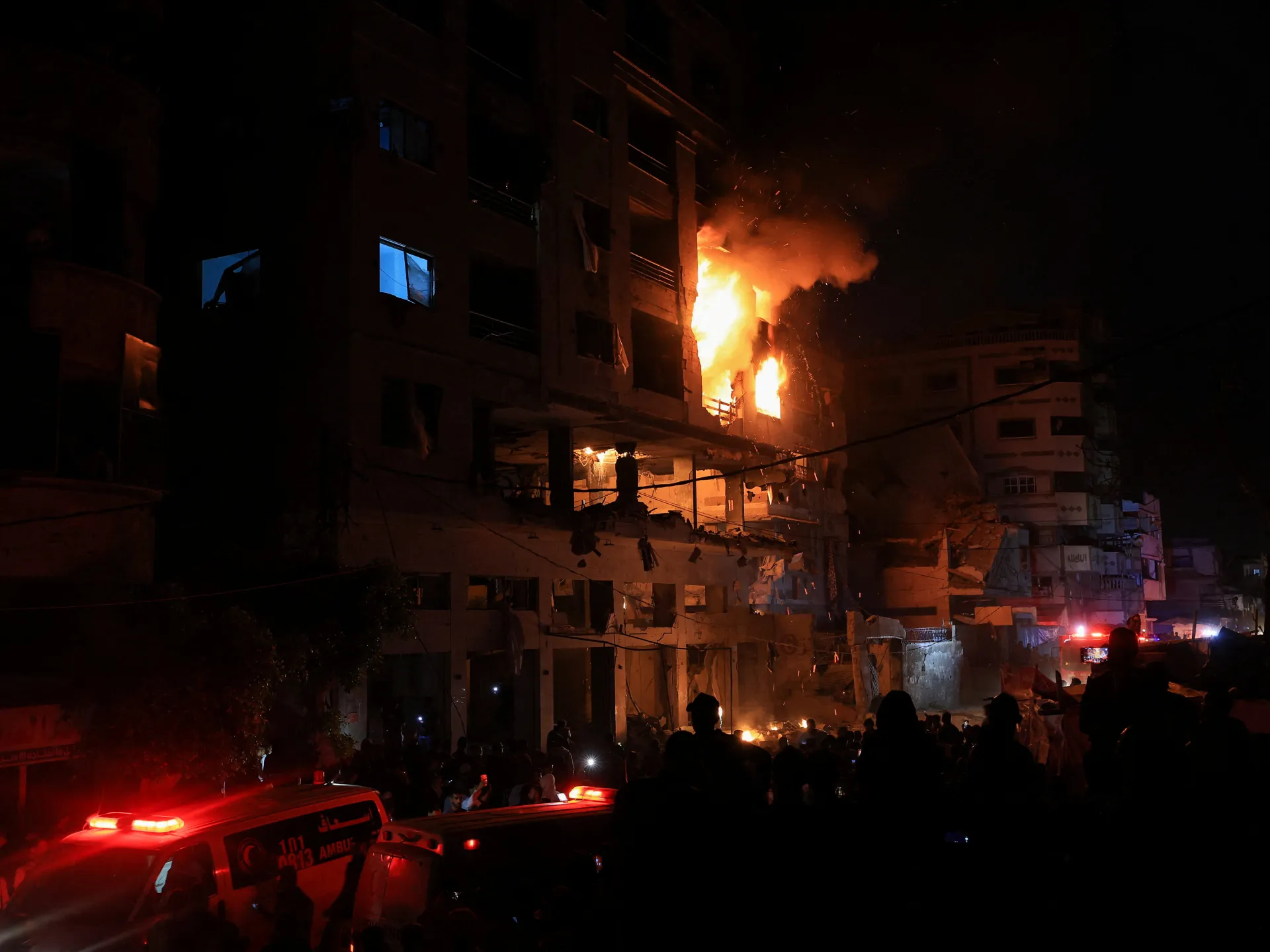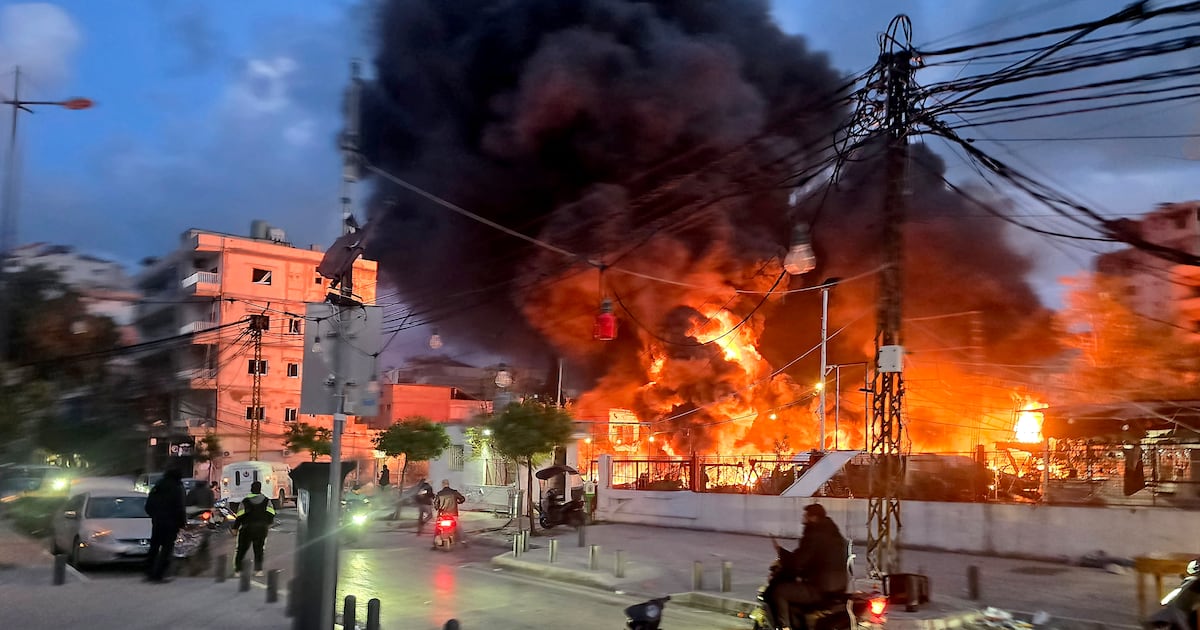

The systematic Israeli military operations across south Lebanon, continuing under the guise of a ceasefire framework, are reshaping the region’s geopolitical risk calculus in ways that will have lasting consequences for sovereign capital deployment and cross-border investment flows across the Eastern Mediterranean. Gulf sovereign wealth funds, already recalibrating exposure to Lebanon-linked assets following years of fiscal paralysis and central bank dysfunction, face an accelerated retreat as the territorial destruction renders any near-term commercial reconstruction scenario politically and operationally untenable. The de facto erasure of south Lebanon from the functional map—infrastructure, telecommunications, agricultural capacity—eliminates an entire corridor that previously served as a node in informal trade networks connecting Lebanon to Syria and the broader Levantine economy, compounding the region’s isolation.
For venture capital and private equity firms operating in MENA, the implications extend beyond Lebanon’s borders. The conflict reinforces a pattern of state-driven instability that deters long-duration, infrastructure-heavy fund commitments across the Levant, even in Jordan and Egypt where political risk was already climbing. Regional infrastructure projects—power interconnectors, digital backbone investments, port development initiatives—built on assumptions of Lebanon’s eventual reintegration into the broader Eastern Mediterranean economic architecture now require a wholesale reassessment. Gulf-backed development vehicles, including those emanating from Abu Dhabi’s Mubadala and Saudi Arabia’s Public Investment Fund, will likely redirect capital toward Turkey, North Africa, or even sub-Saharan corridors rather than absorbing the elevated insurance and reconstruction risk that Lebanon now demands.
On the sovereign capital front, the situation crystallizes a strategic divergence within the GCC: while Saudi Arabia and the UAE have invested billions in Lebanon’s formal economy over the past decade through BLOM Bank, energy concessions, and real estate, the operational reality on the ground is rendering those positions non-performing. The lesson, for institutional allocators in the region, is blunt—sovereign capital deployed in theatres without credible state capacity for reconstruction will face indefinite illiquidity. This should accelerate a broader MENA rebalancing toward projects anchored in Egypt’s demographic weight, Saudi Arabia’s Vision 2030 mega-programmes, and the UAE’s positioning as the region’s de facto financial and logistics hub. The south Lebanon crisis is not merely a humanitarian emergency; it is a sovereign capital allocation failure that will reshape the region’s investment map for a generation.