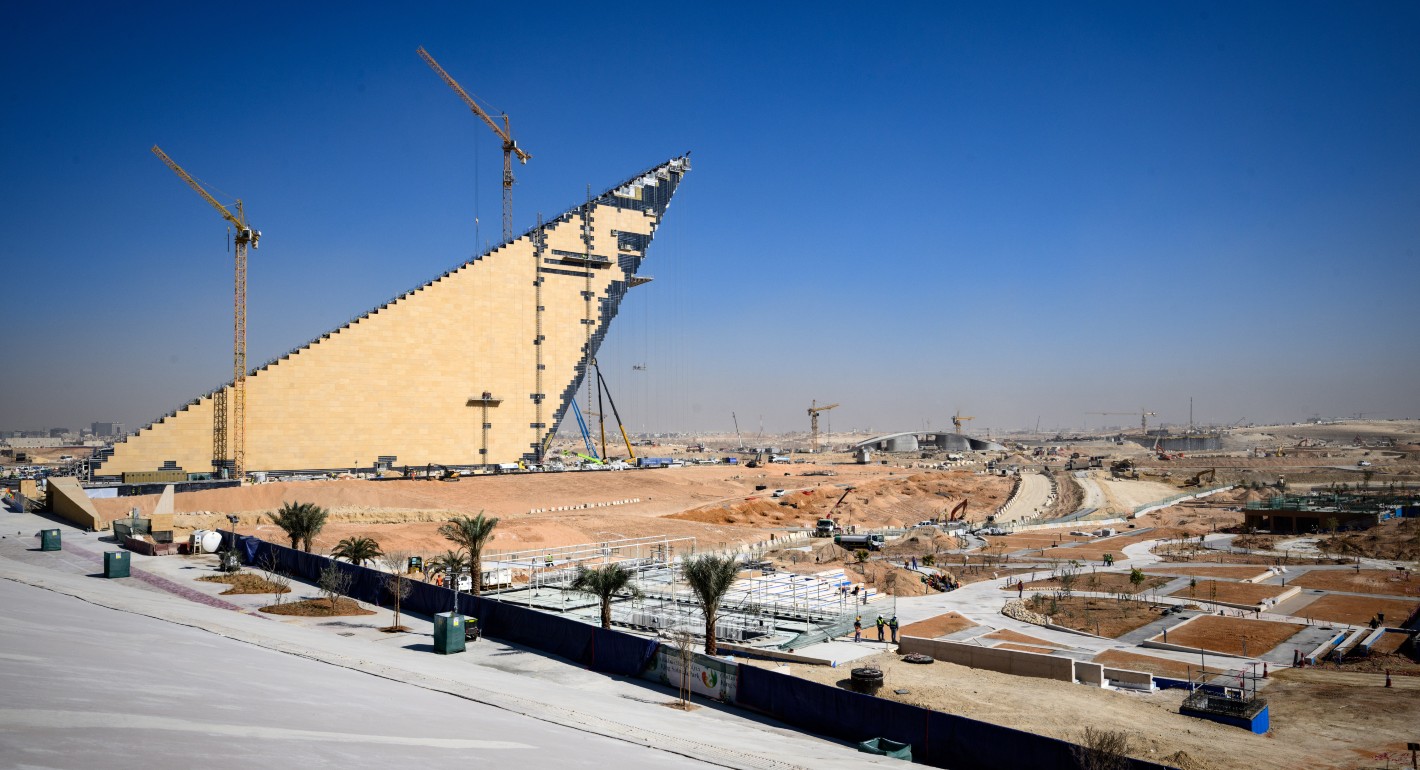

President Trump’s post-Beijing declaration that Tehran must reopen the Strait of Hormuz represents more than a geopolitical soundbite—it is a direct lever on Gulf sovereign wealth flows and regional energy infrastructure strategy. The strait, through which roughly 20% of global crude passes, is the circulatory artery underpinning every Gulf infrastructure megaproject, from Saudi NEOM to Abu Dhabi’s Douri and Oman’s Duqm Special Economic Zone. Any credible threat of closure or sustained disruption revalues logistics corridors, reroutes FDI pipelines, and forces sovereign funds—including the PIF, ADIA, and Mubadala—to stress-test energy-transition portfolios against a risk environment that has suddenly gone from manageable to acute.
For MENA venture capital, the ripple effects are structural. Startup ecosystems in Riyadh, Dubai, and Cairo that have been bankrolled on assumptions of stable shipping lanes and predictable oil benchmarks now face a recalibration. Ports, digital trade platforms, and logistics-tech firms built around throughput certainty will see demand acceleration if Hormuz access tightens; those anchored to consumer and tourism sectors may see caution creep into LP commitment cycles. Gulf family offices and sovereign venture arms—increasingly active in AI, fintech, and defense-adjacent infrastructure—are likely to pivot toward assets that insulate against supply-chain chokepoints.
The broader implication is that Iran’s nuclear posture, China’s diplomatic positioning, and U.S. pressure tactics are converging into a single variable that reshapes capital allocation across the MENA corridor. Sovereign wealth managers are not merely hedging commodity risk; they are repositioning entire infrastructure and technology stacks to account for a Strait of Hormuz crisis scenario that, until this week, was treated as tail risk. The Gulf’s next growth chapter will be written in how quickly and decisively regional capital adapts to that reality.