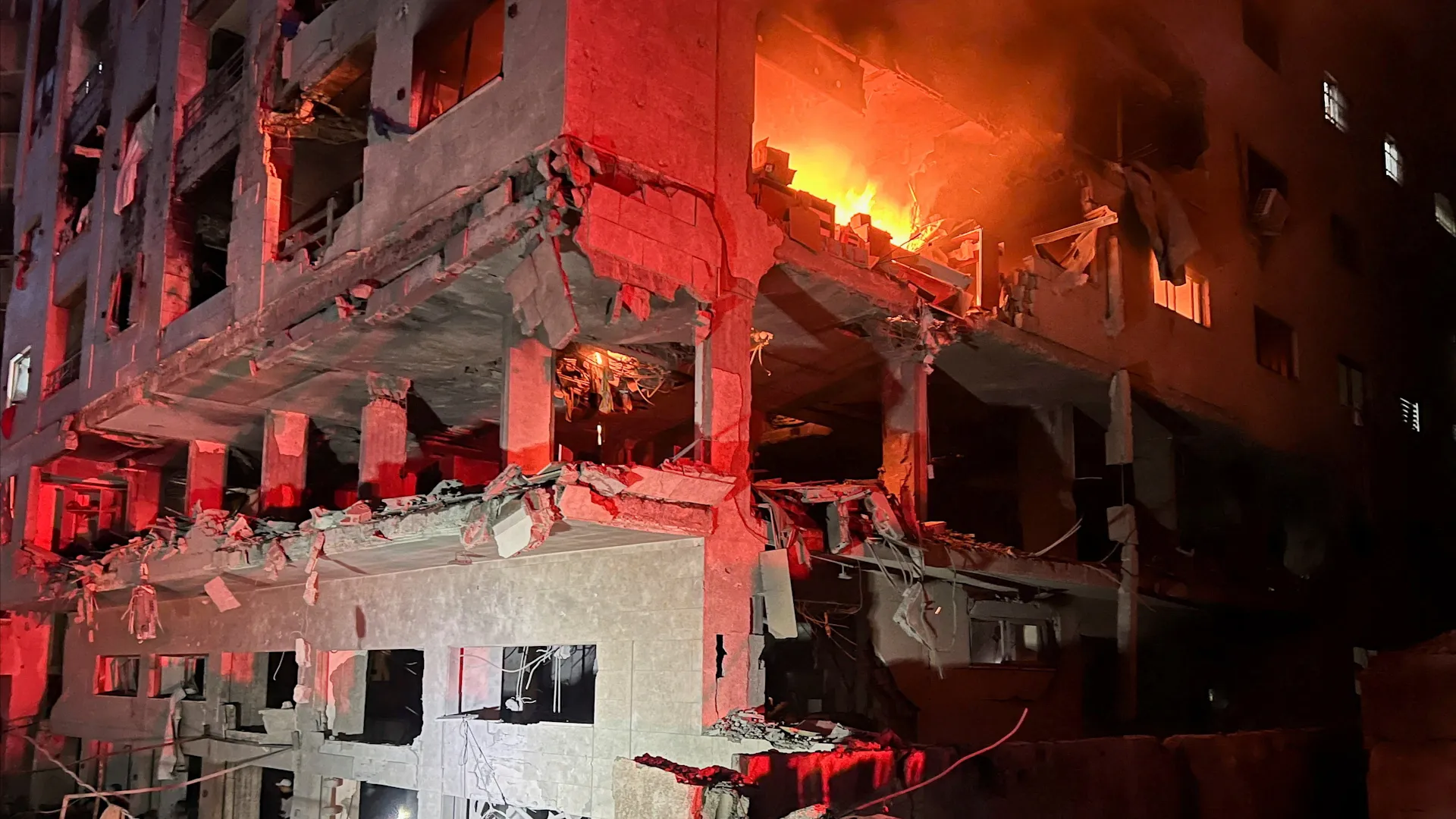

The Israeli military operations in Gaza City overnight carry significant implications for the broader MENA region’s financial architecture, particularly as international sovereign wealth funds and institutional investors reassess exposure to conflict-prone jurisdictions. The disruption to regional stability comes at a critical juncture when GCC states have been aggressively diversifying their portfolios through overseas direct investments, while North African economies continue their post-pandemic recovery trajectories. Financial markets typically price in such geopolitical volatility through narrowed credit spreads and increased insurance premiums for regional holdings, creating a direct transmission mechanism to sovereign capital allocation strategies.
For venture capital and private equity firms operating across the region, these developments underscore the inherent risks in deploying capital to emerging markets where political stability directly correlates with investment security. Major sovereign investors, including those from the UAE and Qatar, maintain substantial commitments to Israeli technology and defense infrastructure through their global portfolios, creating a complex web of economic interdependencies that complicate divestment pressures. The regional venture capital ecosystem, which has seen significant growth in fintech and clean energy sectors, now faces elevated due diligence requirements and potential repricing of risk-adjusted returns across Series-A and Series-B funding rounds.
Infrastructure development projects throughout the Levant and broader MENA region are particularly vulnerable to such escalations, as construction timelines, supply chain logistics, and foreign contractor availability face immediate disruption. Sovereign infrastructure funds from Egypt, Jordan, and Morocco have been actively sourcing international financing for transportation and energy projects, but recurring security incidents create financing gaps that local banks struggle to fill independently. The cumulative effect pressures already strained regional financial institutions to reallocate capital reserves toward liquid assets, potentially constrains private sector expansion, and reinforces the preference for sovereign-backed mega-projects over commercial development initiatives.
Market participants should anticipate near-term volatility in cross-border capital flows, particularly as regional central banks maintain heightened vigilance over foreign reserves deployment. The convergence of geopolitical risk and economic policy tightening creates a challenging environment for portfolio managers evaluating exposure to both public and private market opportunities across the region, while simultaneously highlighting the strategic importance of establishing clear investment governance frameworks that can rapidly respond to evolving security landscapes.