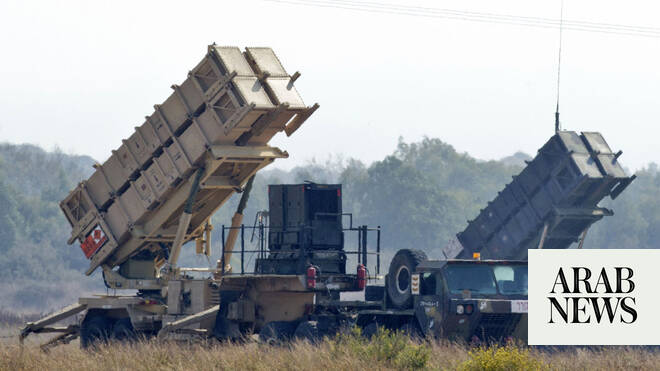

The recent wave of intercepted airborne threats—spanning from the Eastern Province’s oil fields to the skies over Riyadh—underscores a persistent air‑defense challenge that is reshaping risk perception across the Gulf. With the Ministry of Defense confirming the neutralization of a ballistic missile aimed at a strategic air base and twenty drones neutralized in a single escalation cycle, the episode illustrates heightened operational exposure for multinational enterprises operating in the region.
Saudi Arabia’s response is being financed through a combination of sovereign budget allocations and inflows from the Public Investment Fund, reinforcing the Kingdom’s commitment to expanding missile‑defense capabilities and indigenous aerospace production. Access to this capital stream is bolstering sovereign credit confidence, while also prompting a recalibration of fiscal priorities toward long‑term security investments that may influence debt issuance strategies across the broader MENA sovereign landscape.
From a venture‑capital perspective, the surge in defense‑related threats is catalyzing a new cycle of funding for regional startups specializing in counter‑UAV technologies, radar systems, and autonomous interception platforms. Strategic partnerships between sovereign‑backed defense contractors and global venture ecosystems are accelerating technology transfer, positioning the Gulf as an emerging hub for next‑generation security solutions and reshaping capital flow patterns within the broader tech investment community.
Infrastructure resilience is becoming a decisive factor for investors evaluating the Middle East and North Africa’s long‑term growth prospects. The repeated targeting of critical assets—from oil‑field operations to major logistics corridors—necessitates substantial capital expenditure on hardened facilities, redundant communication networks, and diversified supply‑chain routes. Consequently, asset‑pricing models are incorporating heightened security premiums, influencing real‑estate valuations, energy logistics pricing, and the risk‑adjusted returns of infrastructure funds across the region.