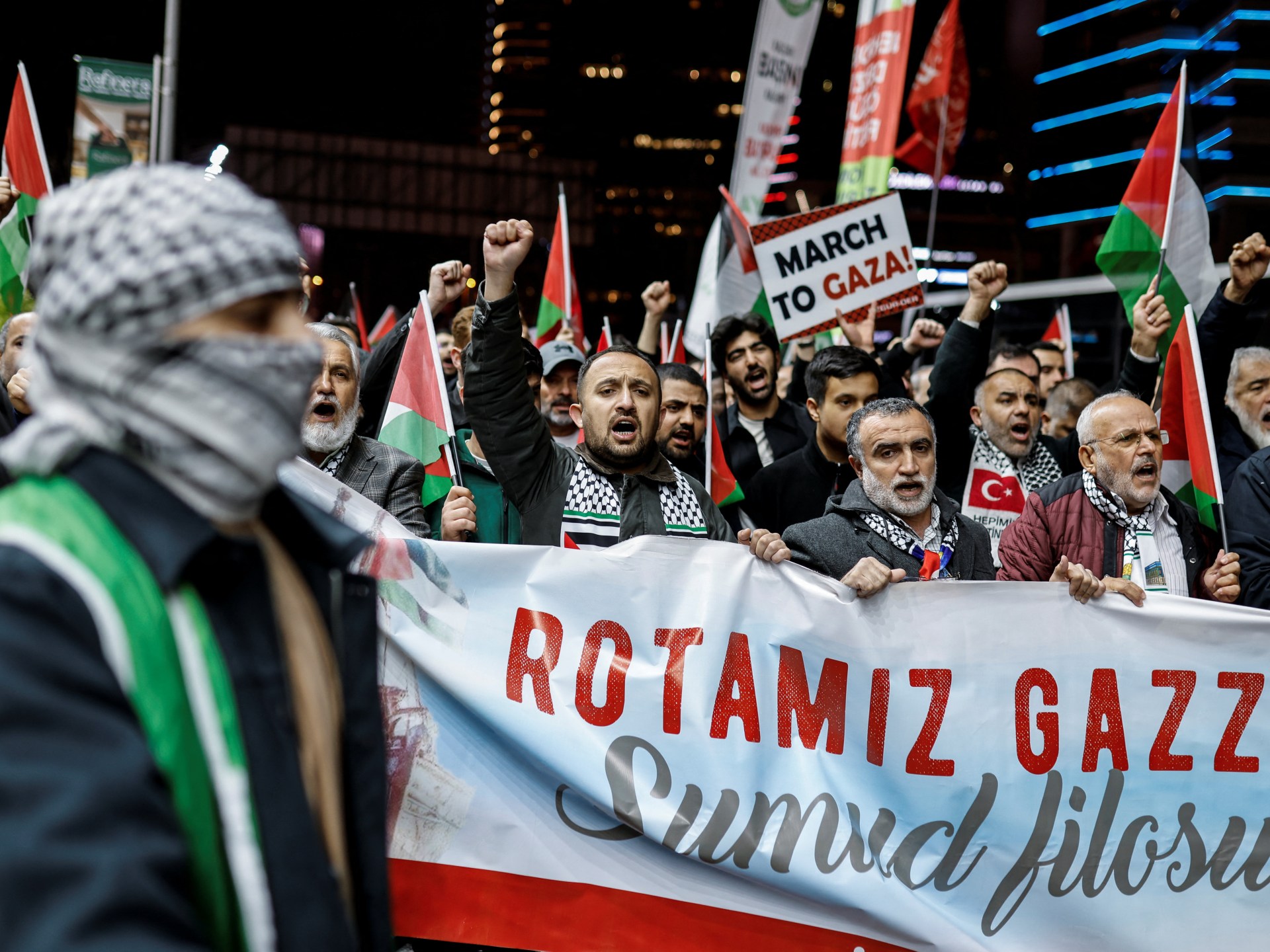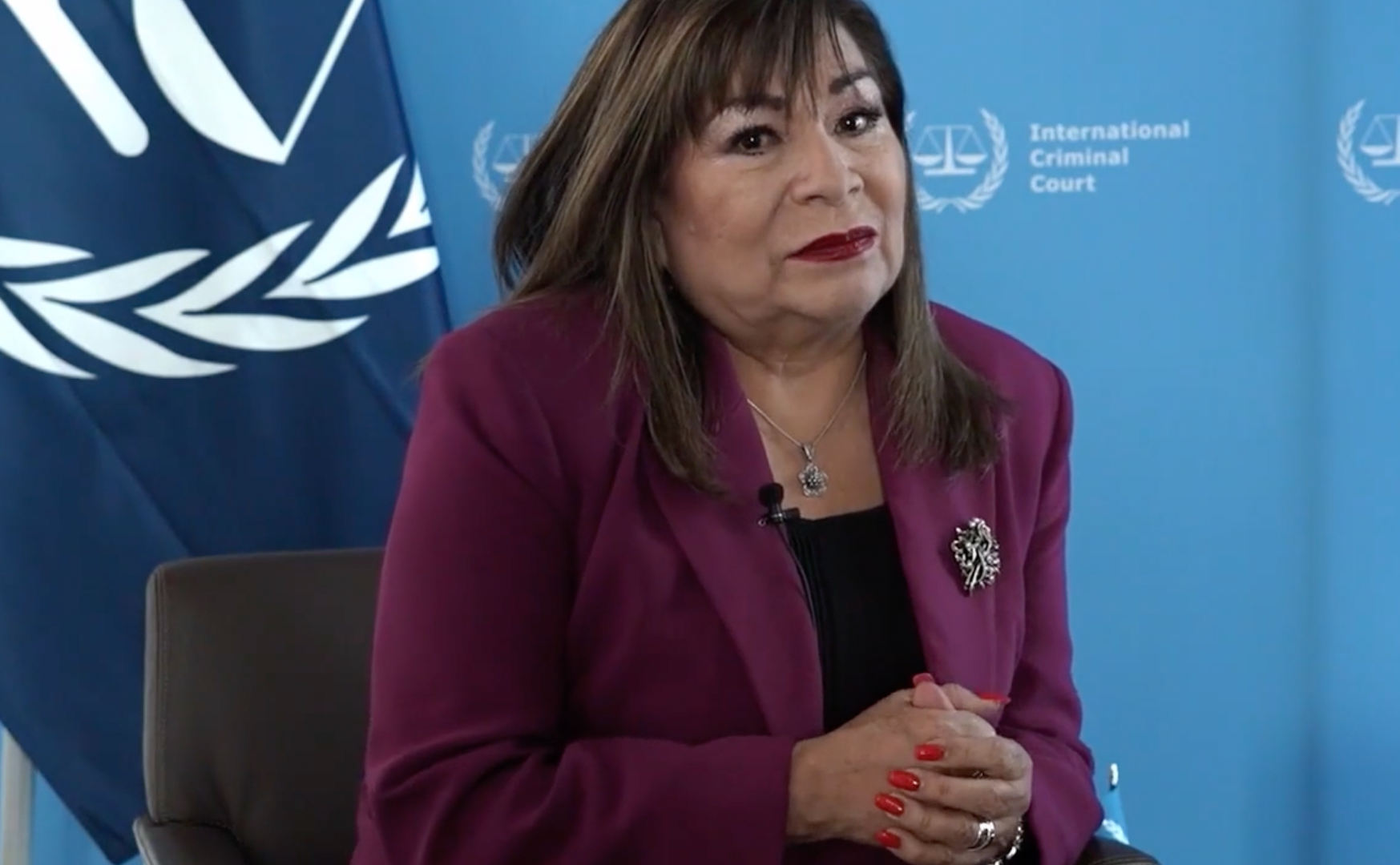

The recent imposition of U.S. sanctions on an International Criminal Court judge, following the ICC’s arrest warrants for Israeli Prime Minister Benjamin Netanyahu, underscores a growing intersection of geopolitical friction and financial market dynamics in the Middle East and North Africa. For sovereign wealth funds across the Gulf—already navigating volatile oil prices and diversification imperatives—such developments amplify perceived legal and reputational risks associated with U.S.-linked assets and entities. Consequently, we may witness a tactical reallocation of capital toward alternative jurisdictions, including Europe and Asia, as well as a heightened preference for instruments insulated from extraterritorial reach, such as sukuk and locally denominated sovereign bonds.
Venture capital activity in the region is similarly sensitive to these spillovers. The Israeli‑Palestinian tech corridor, a historic conduit for cross‑border investment and talent exchange, faces increased scrutiny from limited partners wary of compliance exposure. Early‑stage funds that have traditionally co‑invested with U.S.‑based partners may now pivot toward domestic accelerators in the United Arab Emirates, Saudi Arabia, and Egypt, where regulatory frameworks are being strengthened to attract capital. This shift could accelerate the maturation of home‑grown sectors—particularly fintech, AI, and renewable‑energy tech—while potentially reducing the velocity of follow‑on funding for startups reliant on U.S. syndicates.
Infrastructure financing, a cornerstone of MENA’s growth agenda, is also poised for recalibration. Western banks and export credit agencies, which have historically underwritten large‑scale transport, energy, and water projects, may tighten underwriting standards to mitigate secondary sanctions risk. In response, governments are likely to deepen collaborations with Asian sovereign investors—most notably China’s Belt and Road Initiative financiers—and expand the role of regional development banks and Islamic finance platforms. Such diversification could preserve project pipelines but may introduce new structuring complexities and longer tenors.
Overall, while the immediate sanctions target a judicial figure, their broader ramifications serve as a stress test for the MENA financial ecosystem. Sovereign investors, venture capitalists, and infrastructure planners will need to bolster risk‑management frameworks, enhance legal certainty, and explore non‑traditional capital sources to maintain momentum. The region’s underlying fundamentals—youthful demographics, reform agendas, and abundant renewable potential—remain intact, but the ability to navigate intersecting geopolitical and financial headwinds will determine the pace and sustainability of its next growth phase.