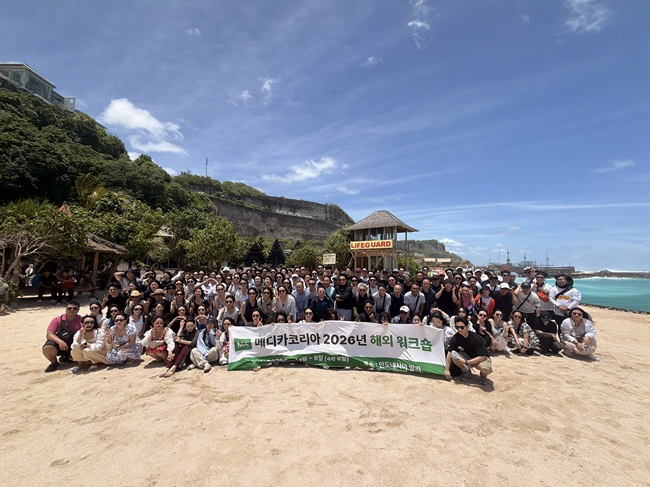

Medica Korea’s strategic realignment, articulated through its “VISION 2030” workshop in Bali, represents a significant, albeit contained, shift within the broader pharmaceutical landscape of the Middle East and North Africa. While the immediate focus is on the South Korean firm’s internal objectives – achieving 300 billion won in annual sales by 2030 – the underlying strategies outlined, particularly the emphasis on expanding beyond generics and penetrating new markets, carry substantial implications for regional investment and competitive dynamics. The “TAPA” framework – Transform, Accelerate, Pioneer, Achieve – signals a deliberate move towards higher-value product segments, a trend increasingly observed across the MENA region as governments prioritize healthcare diversification and reduced reliance on oil revenue.
The company’s stated plans to bolster production capacity (CAPA) and enhance management efficiency are directly relevant to sovereign wealth funds and regional venture capital firms. Increased production capabilities, if realized, could create opportunities for localized manufacturing partnerships within countries like Saudi Arabia, the UAE, and Egypt, bolstering their ambitions to establish independent pharmaceutical industries. Furthermore, the focus on “anti-aging items” and “improved drugs” aligns with a growing demographic trend and rising disposable incomes across the region, potentially attracting further investment from both public and private capital seeking exposure to this burgeoning sector. However, success hinges on navigating regulatory hurdles and establishing robust supply chains – challenges that have historically presented obstacles to foreign pharmaceutical entrants in the MENA area.
The expansion into “global markets” – a key component of Medica Korea’s vision – underscores a broader trend of Middle Eastern pharmaceutical companies seeking international recognition and export opportunities. This ambition necessitates significant infrastructure investment, including enhanced logistics networks and digital capabilities. The success of this strategy will be intrinsically linked to the ongoing development of regional free trade zones and the implementation of digital trade platforms, initiatives currently underway across the Gulf Cooperation Council and North Africa. Sovereign wealth funds, particularly those with mandates focused on technology and healthcare, are likely to play a pivotal role in facilitating these infrastructural improvements, recognizing the long-term strategic value of a robust and interconnected regional pharmaceutical ecosystem.
Ultimately, Medica Korea’s “VISION 2030” represents a microcosm of the larger transformation occurring within the MENA pharmaceutical sector. While the immediate impact may be limited to the company’s own growth trajectory, the strategic imperatives – diversification, technological advancement, and international expansion – are consistent with the broader regional agenda. The success of this endeavor will be a key indicator of the region’s ability to foster a dynamic and competitive pharmaceutical industry, reliant on strategic public-private partnerships and sustained investment in both human capital and technological infrastructure.