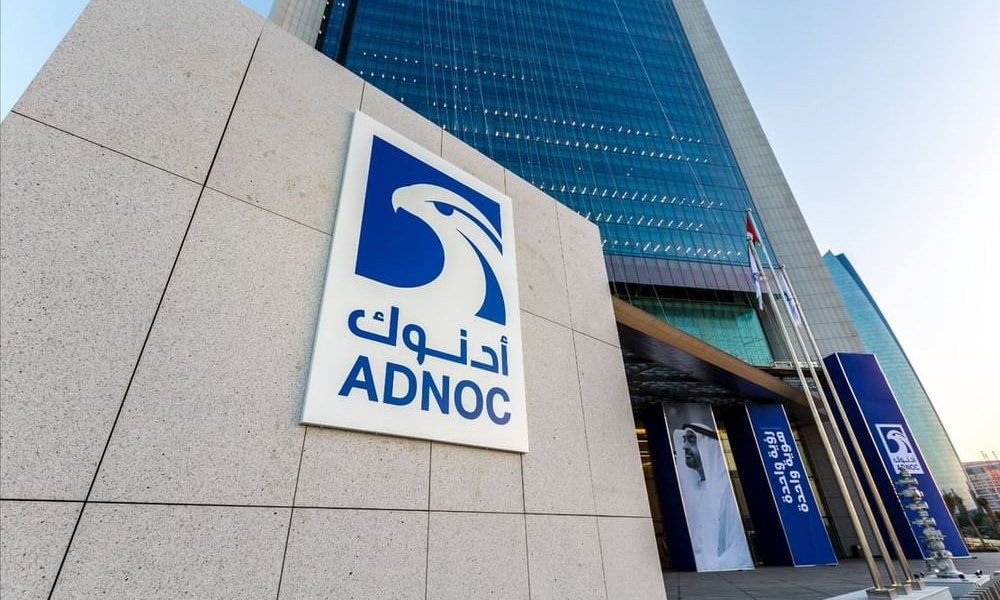

Abu Dhabi National Oil Company (ADNOC) has reaffirmed its operational resilience amid escalating regional security concerns, underscoring the strategic importance of maintaining energy supply stability in a geopolitically sensitive corridor. As shipping disruptions through the Strait of Hormuz persist, ADNOC’s proactive activation of contingency protocols signals not only corporate preparedness but also the broader ability of UAE sovereign assets to insulate critical infrastructure from external shocks. This operational continuity is supported by alternative export mechanisms and international storage facilities, which together form a crucial buffer ensuring global hydrocarbon supply chains remain intact.
From a financial vantage point, ADNOC’s response reflects the growing sophistication of state-backed enterprise risk management across the MENA region. Sovereign capital allocations have increasingly prioritized logistics redundancy and infrastructure hardening—particularly within the energy sector—as geopolitical volatility becomes a persistent feature of the regional landscape. Furthermore, the company’s granular, transaction-level evaluation of market conditions exemplifies how integrated national oil companies are recalibrating supply chain strategies to preserve revenue flows and uphold investor confidence, especially among international trading partners reliant on steady crude imports.
On the venture capital front, the incident underscores renewed investor attention toward dual-use technologies in surveillance, maritime security, and autonomous logistics platforms capable of mitigating chokepoint risks. With private equity firms and government venture arms in the Gulf Cooperation Council (GCC) already investing billions into tech-enabled industrial solutions, ADNOC’s operational posture may reinforce funding momentum for startups focused on energy logistics resilience. Such developments align with broader diversification goals articulated under Abu Dhabi’s economic blueprint and Saudi Arabia’s Vision 2030, where technological self-sufficiency intersects with energy security imperatives.
In parallel, this event reinforces the strategic rationale behind recent infrastructure mega-projects such as UAE’s Etihad Rail network and floating storage initiatives across the Gulf emirates. By alleviating overreliance on traditional transit routes, these investments bolster regional energy autonomy while providing structural support for long-term capital deployment in downstream activities. For institutional stakeholders, including pension funds and sovereign wealth vehicles throughout the MENA region, ADNOC’s unwavering functionality amid turbulence highlights the enduring value proposition of anchor assets in an era marked by increasing fragmentation of global trade corridors.