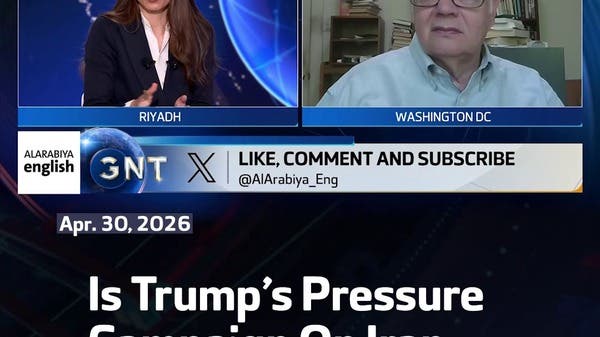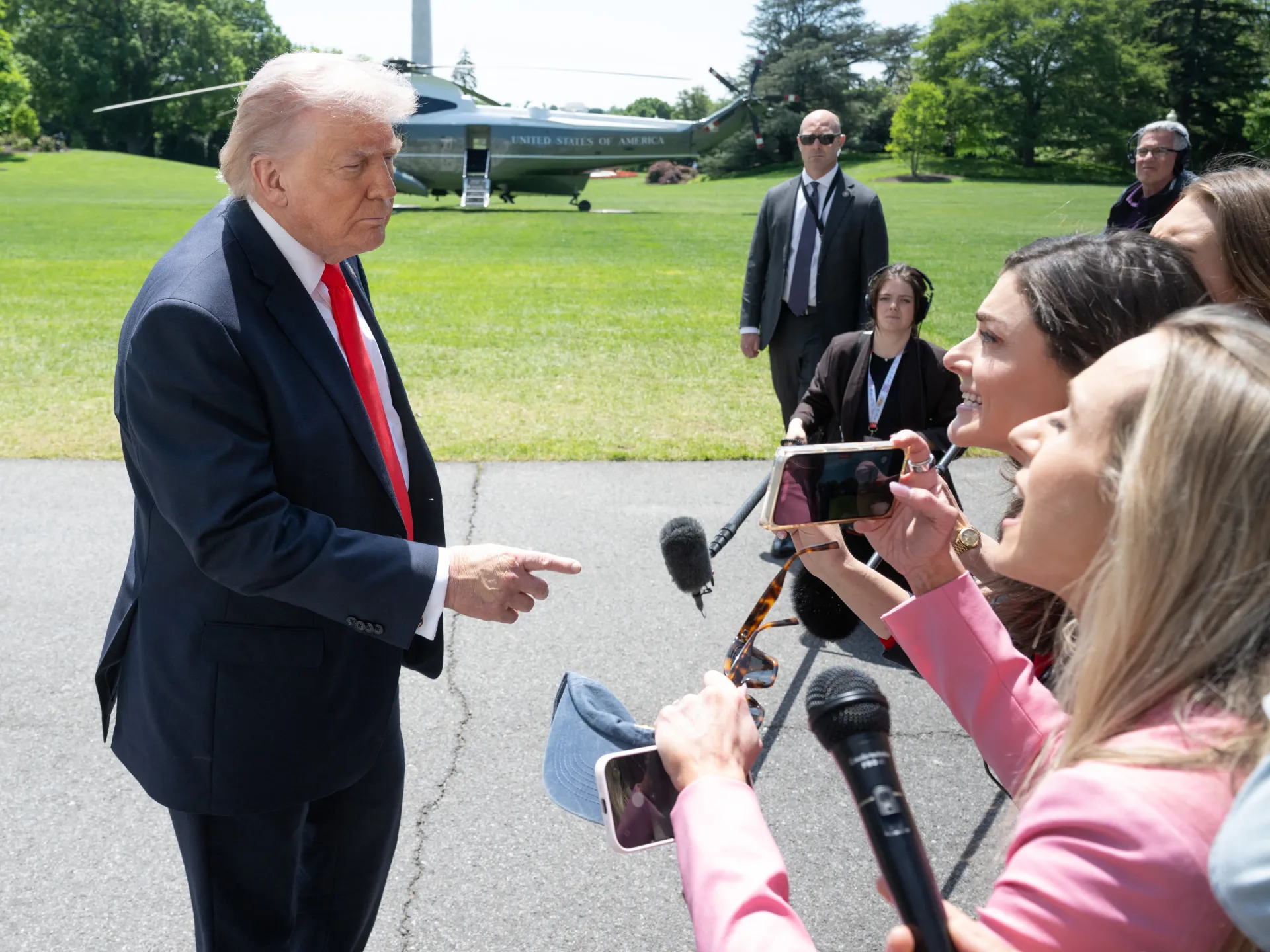

The ongoing conflict between the US and Iran, as mediated through Pakistan, has far-reaching implications for the global economy and regional stability. President Trump’s recent skepticism regarding Iran’s peace overtures highlights the challenges facing各方 in achieving a sustainable ceasefire that addresses key concerns of all parties involved. This situation not only affects immediate military stakeholders but also has profound implications for the business environment, sovereign wealth, venture capital investments, and regional infrastructure development.
The business impact of the US-Iran conflict is particularly significant in the Middle East and North Africa (MENA) region, as tensions escalate and jeopardize the flow of energy supplies. The global energy crisis, exacerbated by the conflict, directly affects international markets and economic activities in the region. The failure to compromise on terms could lead to disruptions in supply chains and investment in energy infrastructure, which are critical for regional growth and development
.
Sovereign capital is another critical concern. Rising geopolitical tensions often result in increased risk premiums on Middle Eastern sovereign bonds, prompting investors to reassess their exposure to the region. As trust in government capabilities to maintain peace wavers, the cost of capital for governments may escalate, impacting their ability to finance infrastructure projects and socio-economic initiatives.
Regional infrastructure remains under threat given the escalation of hostilities. The push for energy transitions to address climate change risks being derailed as infrastructure, including energy pipelines and transmission lines, become targets. Venture capitalists are particularly sensitive to these security implications and may alter their investment strategies, potentially impacting the growth of emerging tech and green energy sectors.