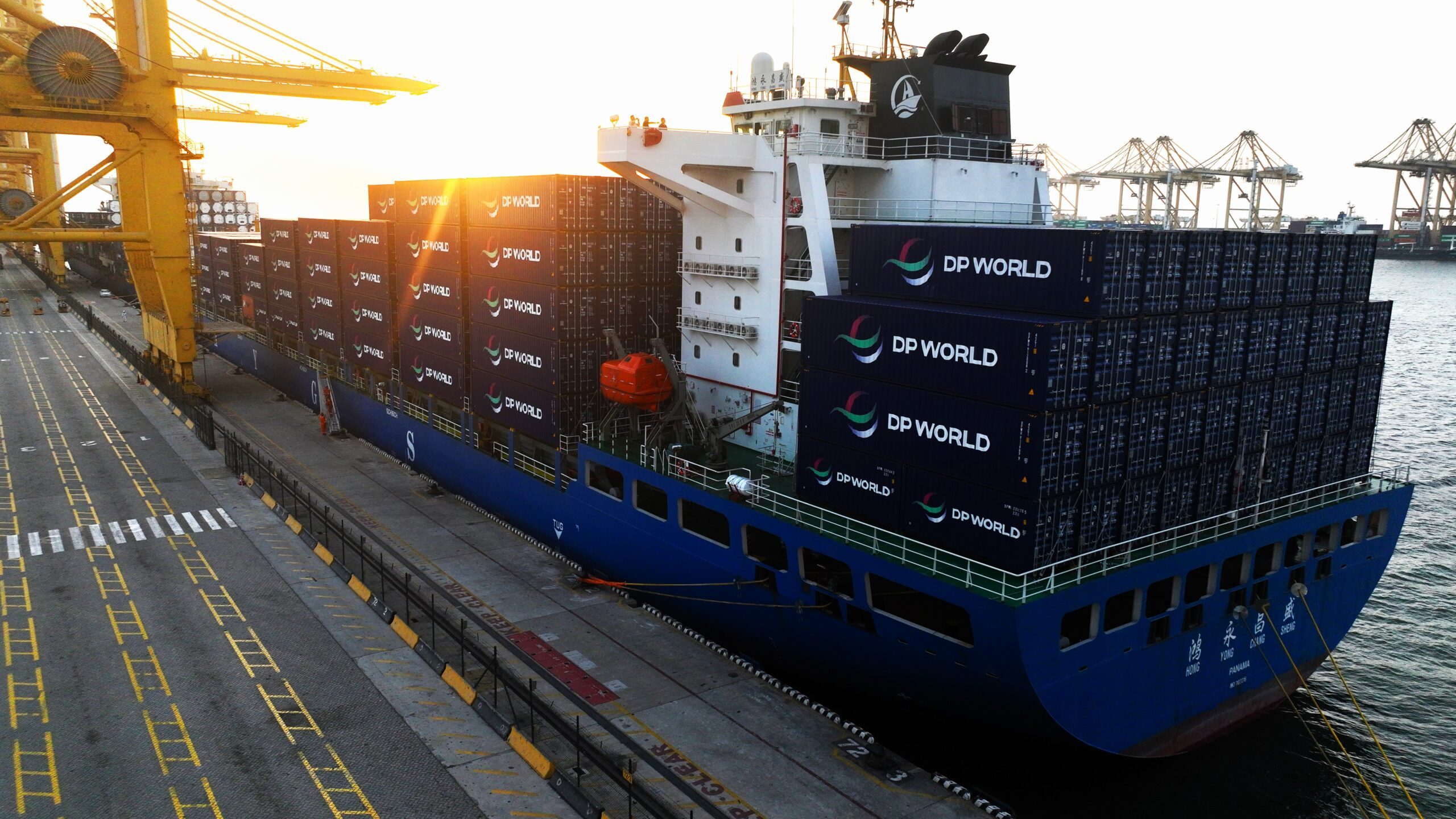

DP World reported a 22 % year‑on‑year rise in revenue to $24.4 bn and a 32 % increase in profit to nearly $2 bn, propelled by disciplined cost management and a 14 % uplift in operating cash flow to $6.3 bn. The company processed 93.4 million TEU in 2025, with gross throughput climbing 6 % and like‑for‑like revenue per TEU advancing 8.5 % in its ports and terminals segment. Jebel Ali’s origin and destination volumes grew about 9 %, underscoring Dubai’s capacity to absorb heightened trade flows despite elevated geopolitical risk.
Capital allocation reflects a strategic pivot toward sovereign‑backed expansion: DP World deployed $3.1 bn of capex in 2025, up from $2.2 bn in 2024, and earmarked a $3 bn budget for 2026 focused on Jebel Ali, Dubai Drydocks World, Tuna Tekra (India), London Gateway (UK) and Ndayane (Senegal). This incremental investing strategy dovetails with growing venture‑capital interest in logistics automation and digital freight platforms, positioning the Gulf as a conduit for both sovereign and private capital into next‑generation maritime infrastructure.
Recent incidents—including a projectile strike on a container ship near Jebel Ali and broader tensions affecting the Strait of Hormuz—have forced firms to implement rerouting and mitigation protocols, yet DP World confirmed uninterrupted port operations and no infrastructure damage. Such disruptions reinforce the imperative for diversified port networks across the MENA region, prompting sovereign wealth funds to prioritize resilient logistics assets that can buffer supply‑chain volatility while attracting venture‑driven technology solutions.
The confluence of robust sovereign financing, expanding venture‑backed logistics ventures, and heightened focus on regional port resilience is reshaping the MENA economic landscape. As Dubai consolidates its role as a global trade hub, the sector is poised to absorb significant capital inflows that will underpin infrastructure upgrades, foster technological innovation, and cement the Middle East’s strategic position in the evolving maritime supply chain.