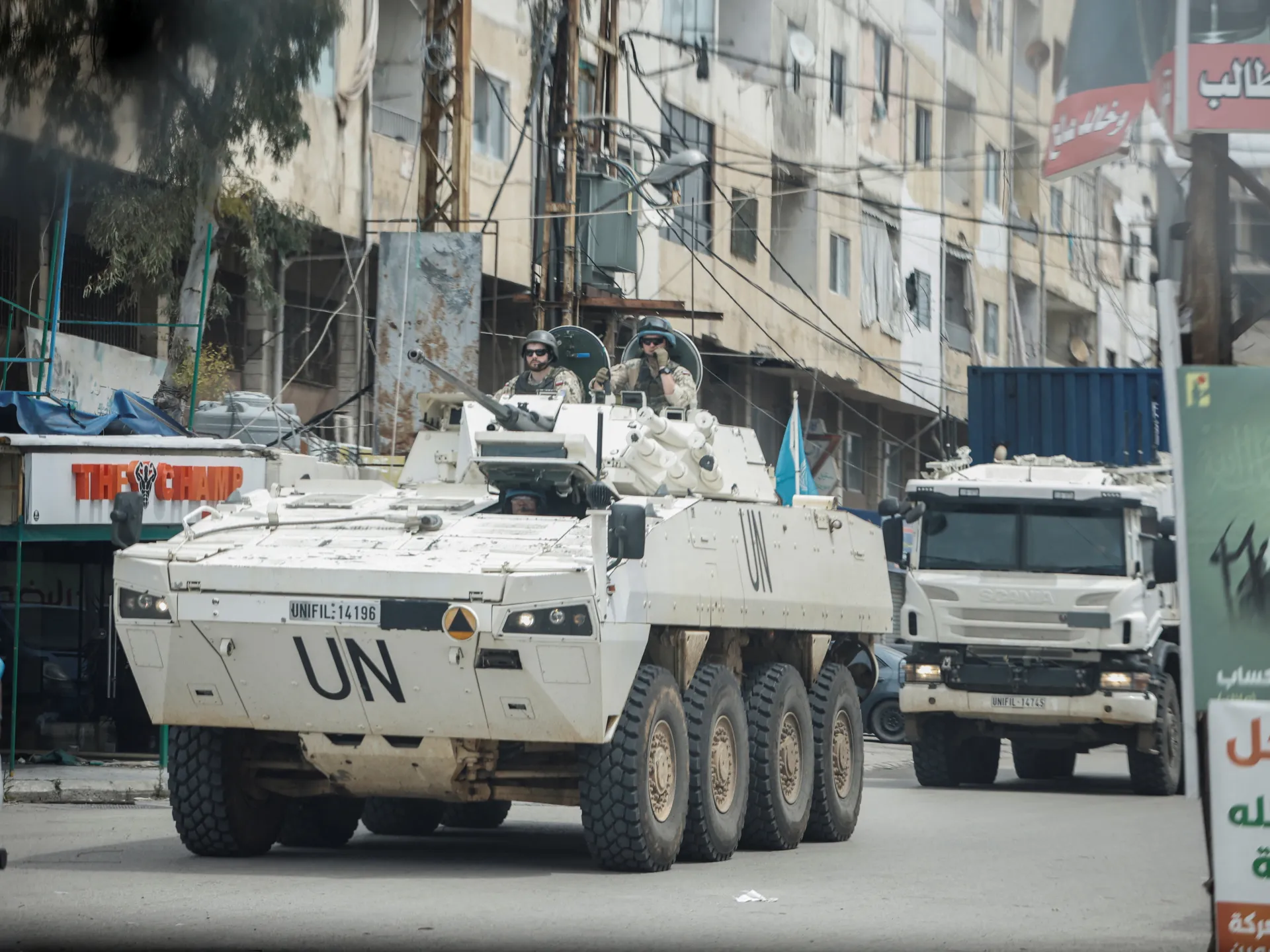

TheUAE’s National Programme to Strengthen Supply Chain Resilience, announced by Sheikh Mohammed bin Rashid, leverages sovereign wealth and state-backed financing to insulate critical commodities—food, medicines and industrial inputs—from geopolitical shocks emanating from the Iran war and the Strait of Hormuz. By institutionalising import‑route security and incentivising domestic production, the initiative signals a deliberate deployment of the UAE’s sovereign capital to safeguard macro‑economic stability and preserve the purchasing power of its citizenry, while simultaneously projecting the nation’s strategic autonomy to regional and global partners.
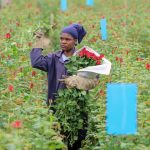
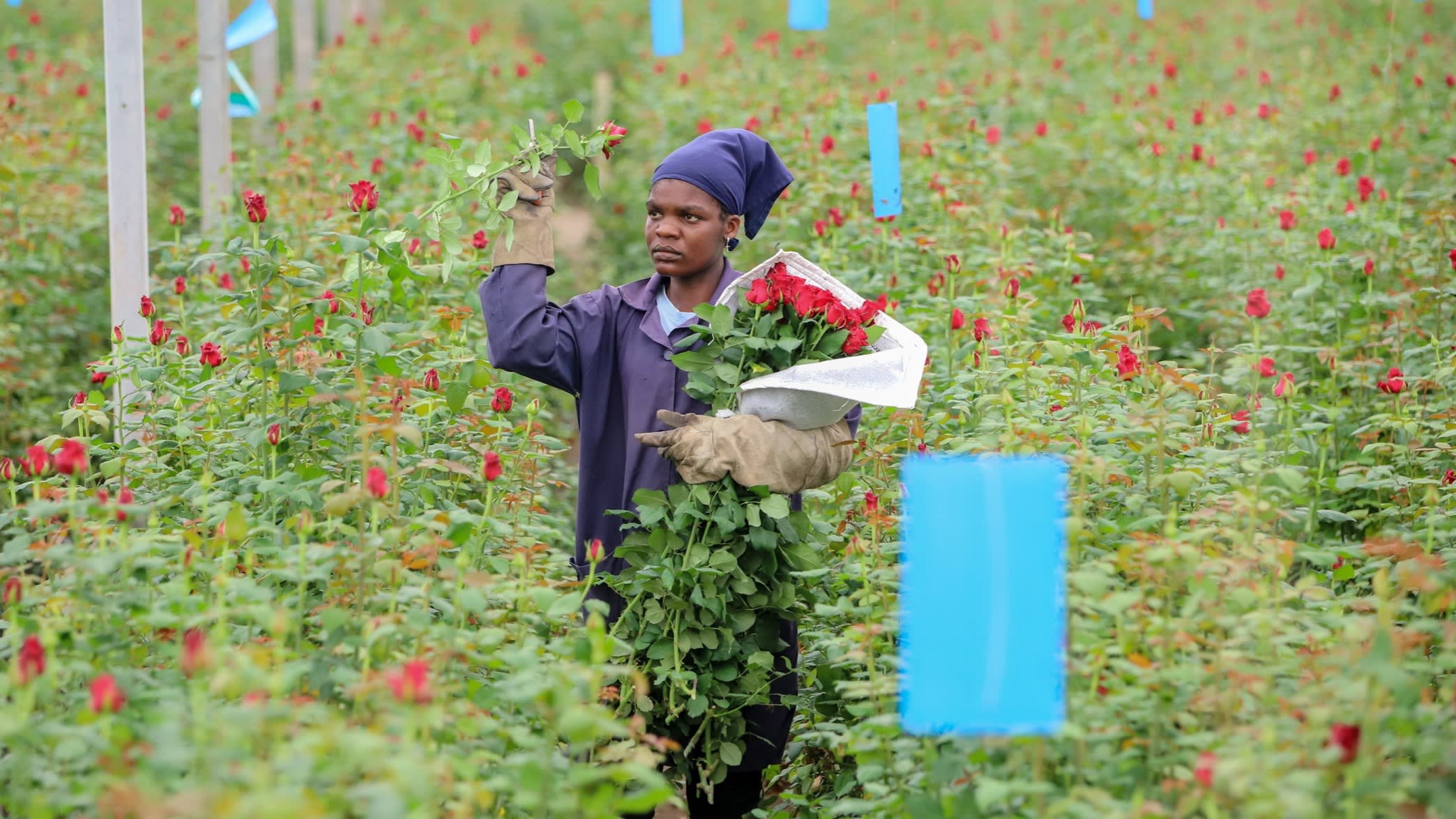
From a business perspective, the programme reshapes the competitive landscape for agribusiness, logistics and pharmaceutical firms operating in the Gulf. Priority access to protected commodities creates guaranteed demand for local manufacturers and encourages public‑private partnerships that accelerate the scaling of high‑tech vertical farms, precision agriculture and water‑efficient production systems. Companies that can integrate into the newly‑structured supply‑chain network stand to benefit from preferential procurement terms, while traditional importers face heightened exposure to pricing volatility and must adapt their sourcing strategies to avoid disruption.
The initiative also reconfigures the venture capital ecosystem, as sovereign wealth funds and development banks are expected to allocate dedicated capital to start‑ups and scale‑ups focused on supply‑chain technology, logistics platforms and advanced manufacturing. This influx of risk‑adjusted funding is likely to spur a new wave of MENA‑based tech ventures, bolstering the region’s reputation as a hub for innovation and attracting foreign institutional investors seeking exposure to high‑growth, sovereign‑backed projects.
Infrastructure implications are profound: enhanced port capacity, dedicated freight corridors and digital trade‑tracking systems will be required to accommodate diversified supply routes and increased intra‑regional trade. The programme dovetails with ongoing mega‑projects such as the Dubai Metro Gold Line and broader Gulf rail and road expansions, reinforcing the UAE’s role as the logistical backbone of the Middle East and North Africa, and positioning the nation to capture a larger share of regional value chains in the post‑conflict environment.