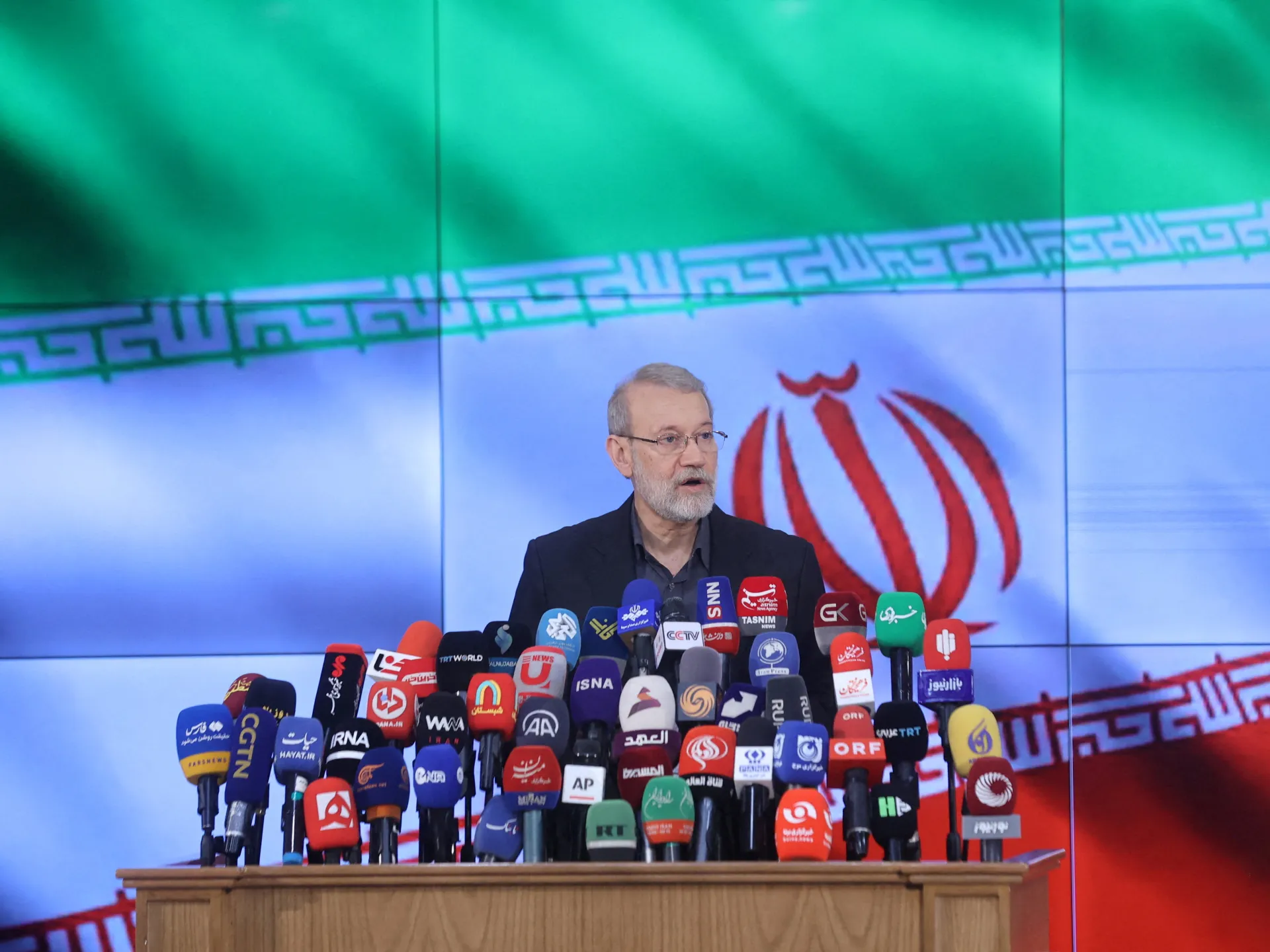

The Israeli DefenceMinister’s assertion that Iran’s senior security official Ali Larijani was eliminated in an overnight strike has triggered immediate re‑pricing across regional risk premiums. Sovereign spreads in the Gulf have widened by 30‑45 basis points as investors reassess exposure to Iranian-linked assets and reassess the stability of long‑term financing for large‑scale sovereign wealth projects. The episode underscores the fragility of geopolitical equilibria in the Middle East and their direct impact on the capital‑raising appetites of both state‑backed development funds and private investors seeking exposure to MENA’s infrastructure pipeline.
From a venture‑capital perspective, the heightened security climate is reshaping the deal flow calculus in the region. Early‑stage investors are incorporating more robust scenario‑analysis into due‑diligence, emphasizing resilience to external shocks and heightened regulatory scrutiny. Government‑backed innovation hubs in Saudi Arabia, the UAE, and Israel are accelerating partnership models that blend sovereign capital with private equity to safeguard strategic technologies, while traditional VC firms are tightening exposure to Iranian‑affiliated ecosystems and reallocating toward more insulated markets.
Infrastructure planners are recalibrating financing schedules in response to the heightened volatility. Megaprojects tied to energy transition, logistics corridors, and digital connectivity are now integrating risk buffers and contingency funding mechanisms to mitigate potential disruptions from conflict spillovers. The episode serves as a catalyst for deeper coordination among sovereign wealth funds, multilateral development banks, and regional development agencies to secure stable, long‑term funding streams that can weather emerging geopolitical uncertainties.